


 844-937-8679
 Login
Login


Articles > Healthcare > Combatting healthcare burnout
Combatting healthcare burnout


Written by Michael Feder
This article was reviewed by Raelene Brooks, Dean, College of Nursing.

Many positions in healthcare are stressful due to long hours, being on call and making important decisions. 2024 findings published in Becker’s Hospital Review show that half of healthcare workers report feeling burned out. This figure is down from 54% in 2022. The data, featured in the American Hospital Association’s 2025 Environmental Scan, underscores the state of burnout among healthcare workers.
Recognizing the signs of healthcare burnout in nurses
Healthcare can be a fast-paced and stressful profession, which means it can be easier to miss the signs of nurse and overall healthcare burnout. For example, when nurses are busy taking care of others, they might overlook self-care. That, of course, is problematic on an individual level as well as a professional one: If nurses don’t make their own physical and mental health a priority, it can potentially impact patient care and job performance.
The symptoms of healthcare burnout may not always be obvious, so it is important to talk with administrators, managers and colleagues to help recognize and address stress and burnout. Burnout is a psychological condition characterized by three main symptoms:
- Exhaustion: This can manifest as physical fatigue, mental exhaustion or emotional exhaustion, or all three.
- Cynicism and detachment: This may present as skepticism or negativity at work or feeling emotionally removed from patients.
- Lack of accomplishment: This can be characterized by hopelessness and a belief that your work is ineffective.
Healthcare burnout does not happen overnight; it builds up over time. Learning to identify the early warning signs is crucial to prevent it from worsening.
Warning signs of burnout may include:
- Feeling irritable, hopeless or overwhelmed
- Losing interest in work
- Difficulty concentrating
- Decreased productivity
- Increased absenteeism
- A feeling of detachment from patients
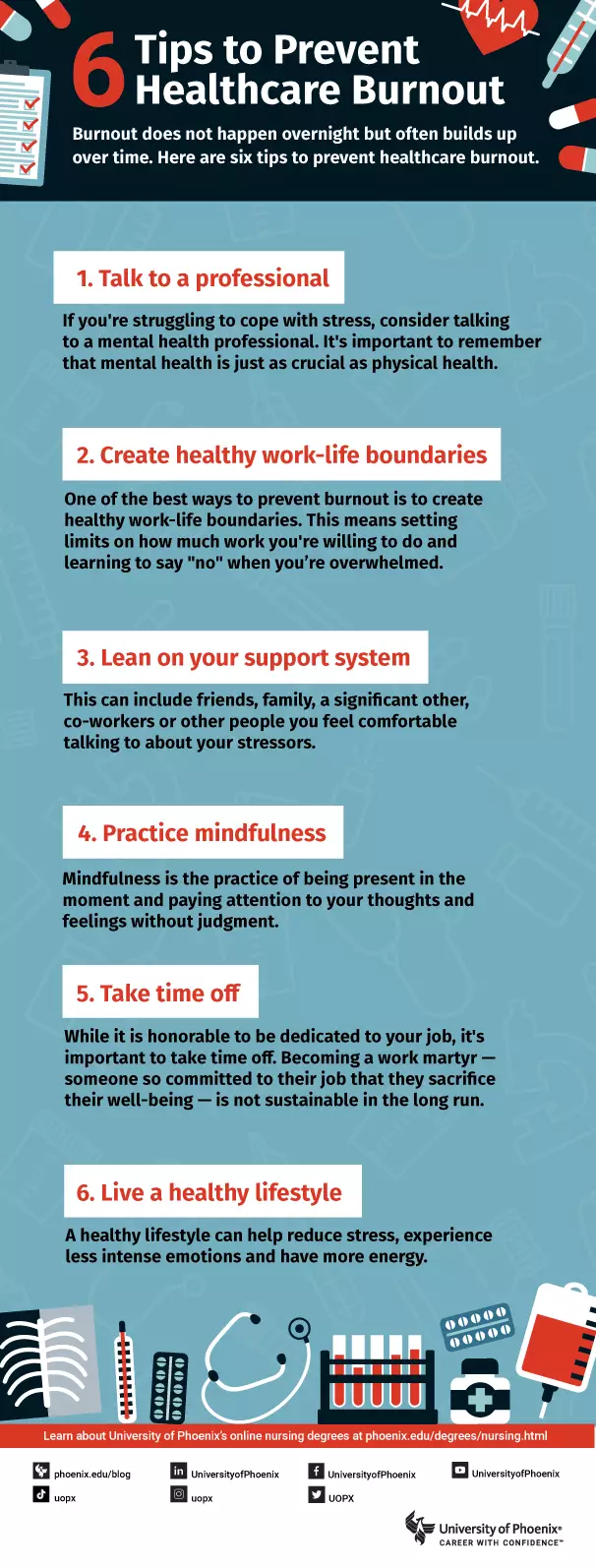
Six tips for combatting healthcare burnout
Though a healthcare worker may not experience all the above symptoms, it is important to be on the lookout for any changes in mental state or behavior that could be warning signs. Fortunately, there are ways to combat healthcare burnout before it becomes severe.
Talk to a professional
For anyone struggling to cope with stress, it’s important to talk to a mental health professional. However, many find this isn’t the easiest thing to do.
One reason healthcare workers might not seek mental health treatment is the stigma attached to mental illness, especially as it relates to impacting their careers.
Despite this challenge, try to remember that mental health is just as important as physical health, and seeking professional help can occur in several ways outside of a traditional appointment. Some additional resources available are:
- Heroes Health Initiative: The University of North Carolina School of Medicine designed this free mobile app to help healthcare professionals and first responders access resources to take care of their mental health.
- The Emotional PPE Project: Provides free, licensed mental health assistance to healthcare professionals without insurance.
- Give an Hour: Provides mental health counseling for those who have served in the military or work as rare-disease caregivers.
2. Create healthy work-life boundaries
One of the best ways to prevent healthcare burnout is to create healthy work-life boundaries. This means setting limits on how much work a healthcare worker is willing to do and learning to say “no” when they're overwhelmed.
Sometimes nurses may feel pressure to take on an extra shift, but they need to ask themselves if taking this on might negatively impact other parts of their? Finding a healthy balance is crucial to mental and physical health.
Some tips for creating healthy work-life boundaries are:
- Create a “wind-down” routine: This can be as simple as reading for half an hour before bed or taking a few minutes to meditate after work.
- Make time for hobbies: Dedicate time each week to doing enjoyable things outside work.
- Set limits with work: Don’t be afraid to say “no” if feeling overwhelmed.
Boundaries and limits are crucial for healthcare professionals, and it’s important to remember that no one can be effective at their job if they’re not taking care of themselves first.
3. Lean on a support system
Another way to prevent and deal with healthcare burnout is to lean on a support system. This can include friends, family, a significant other, co-workers or other people the person experiencing burnout feels comfortable talking to about their stressors. This can provide much-needed emotional support when feeling overwhelmed.
Tips for leaning on a support system include:
- Talk about stressors: Venting can help someone feel better and may provide a helpful perspective.
- Join a support group: There are groups for healthcare professionals struggling with burnout.
- Talk with peers: If someone doesn't feel comfortable talking with friends or family, suggest talking to a peer at work. This can help with feelings of loneliness and may give some helpful ideas for dealing with stress.
4. Practice mindfulness
Mindfulness is the practice of being present in the moment and paying attention to thoughts and feelings without judgment. Mindfulness can help increase awareness of stressors and learn how to deal with them in a healthy way.
Tips for practicing mindfulness include:
- Focus on breathing: This can help with feeling more grounded and present.
- Try guided meditation: Many apps and websites offer guided meditation to help users learn how to meditate.
- Practice being grateful: Taking a few minutes to write down things to be thankful for each day can retrain focus on the positive aspects of life and ease stress.
It’s important to remember that mindfulness takes practice, so don’t get discouraged if it’s difficult at first. As with any skill, the more someone practices mindfulness, the better they’ll get at it.
5. Take time to unwind
While it’s honorable to be dedicated to a job, it’s important to use vacation time or arrange schedules so there are dedicated days off work. Becoming a work martyr — someone so committed to the job that they sacrifice their well-being — is not sustainable in the long run. And healthcare providers may particularly experience barriers to using vacation time, such as:
- Guilt for leaving
- Understaffing
- Fear of being replaced
These are valid concerns, but it’s important to remember that vacation time can be essential for improving mental health. This doesn’t necessarily mean taking two weeks off to go to the Caribbean. It could just mean taking a day or two off here and there to unwind at home.
This approach could also mean switching shifts with a co-worker to better accommodate current mental health needs. Even taking one day off when feeling overwhelmed can help significantly lower stress.
6. Practice a healthy lifestyle
A healthy lifestyle can help reduce stress, experience less intense emotions and have more energy. Small lifestyle changes can make a big difference.
A healthy lifestyle has many facets, but some of the most important ones for mental health are:
- Diet: Healthy foods fuel the body.
- Exercise: Exercise releases endorphins, which have mood-boosting effects.
- Sleep: Getting enough sleep is essential for mental health.
- Hydration: Staying hydrated helps the body function properly.
Understand when it might be time to change specialties or careers
Understanding the distinction between healthcare burnout and the need for a different concentration in nursing or even a new career is crucial. While burnout can result from many factors, such as job stress, it doesn’t necessarily mean someone should quit. To understand whether they're experiencing healthcare burnout or if it’s time to find a new role in the workforce, ask the following questions:
- Is going to work still enjoyable?
- Does the job is make a positive impact?
- Is there a good work-life balance?
If the answer was “no” to any of these questions, it might be time to consider a new career. There are many alternative careers for registered nurses and even more careers that involve helping people.
A few tips for switching careers:
- Research career options: Many websites offer information on various careers, such as salary, job outlook and required education.
- Network: Talk to people in the alternative field and get their advice.
- Earn additional education: If a new career requires a higher level of education, consider returning to school.
- Volunteer: Volunteering is a great way to gain experience in a new field.
With careful planning and research, career-driven nurses and other healthcare providers can be on the right path to finding a new role that’s a better fit.
Healthcare burnout and education options
If you’re struggling with healthcare burnout, University of Phoenix offers online healthcare programs that might give you some fresh perspectives on your career path:
- RN to BSN degree online
- Master of Science in Nursing with a concentration in Nurse Administration
- Master of Science in Nursing with a concentration in Nurse Education
Contact University of Phoenix for more information.
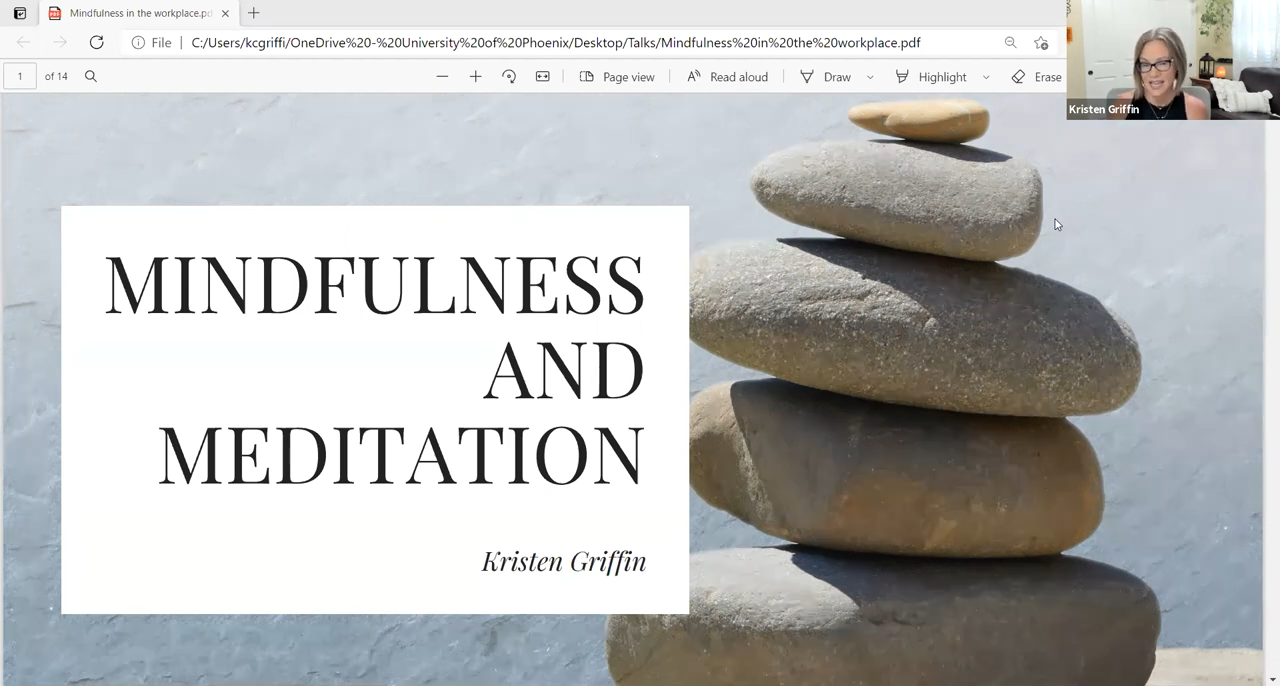
Looking for more ways to combat burnout? Watch the video Mindful Meditation for Nurses.
Read more articles like this:



ABOUT THE AUTHOR
A graduate of Johns Hopkins University and its Writing Seminars program and winner of the Stephen A. Dixon Literary Prize, Michael Feder brings an eye for detail and a passion for research to every article he writes. His academic and professional background includes experience in marketing, content development, script writing and SEO. Today, he works as a multimedia specialist at University of Phoenix where he covers a variety of topics ranging from healthcare to IT.
ABOUT THE REVIEWER
Dr. Raelene Brooks, dean of the College of Nursing, has been a registered nurse for more than 25 years and practiced extensively in the areas of ICU, trauma and critical care. Her publications include a focus on nursing education, critical care, and organizational wellness and engagement. She is a leader in creating, guiding and launching innovative curriculum.

This article has been vetted by University of Phoenix's editorial advisory committee.
Read more about our editorial process.
FREE Healthcare Programs Guide
Explore our healthcare degrees and certificates - 100% of our programs are aligned to career-relevant skills.
You’re making moves!
This guide is loaded with answers. Download it now or get it from your inbox. Questions? We’re just a call or click away.
Get your free healthcare programs guide. Please enter your first and last name.
You’re making moves!
This guide is loaded with answers. Download it now or get it from your inbox. Questions? We’re just a call or click away.