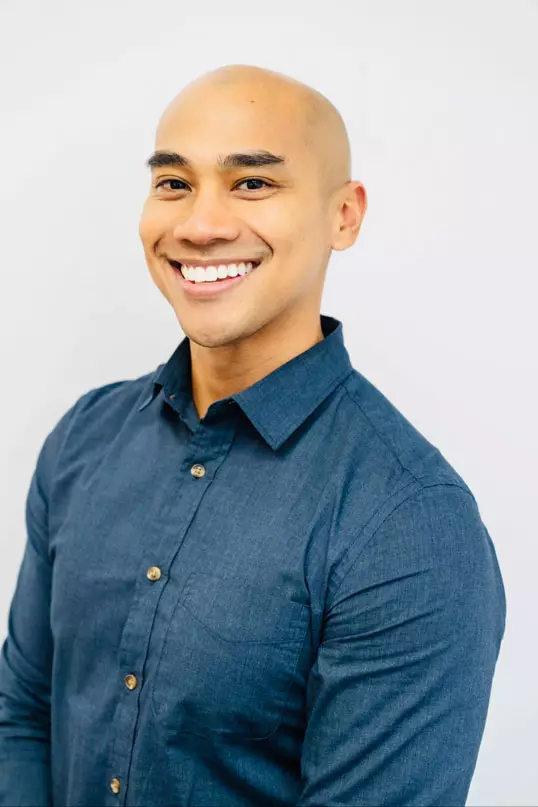
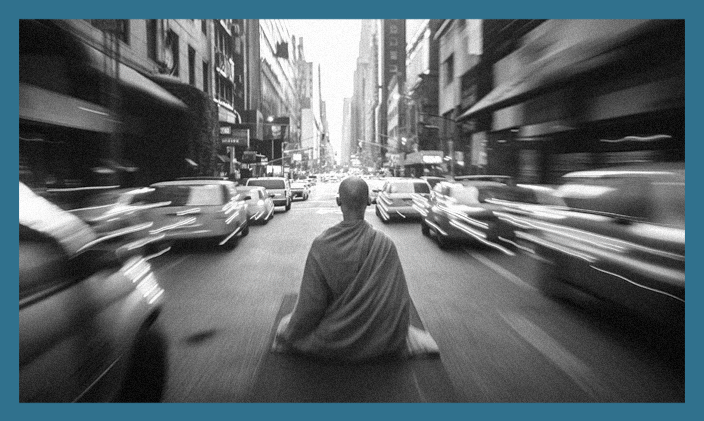
# From chef to executive leader with UOPX alumnus Gary Batara

February 21, 2025 • 5 minutes
## Reinventing Yourself & Your Career: From Chef to Executive Leader | Degrees of Success Ep 004

×  
Chapter 1: Introduction to Degrees of Success and Gary Batara. 0:00- Hello and welcome to the Degrees of Success podcast. 0:1515 secondsI'm your host, Frida Richards. And today we have an incredible guest. 0:1919 secondsWe have Gary Batara, the Vice President of Marketing at Garden. 0:2424 secondsHis story is one of transformation from French culinary school to the boardroom, and from ruthless ambition to mindful leadership. 0:3131 secondsHe's a two-time, university of Phoenix alum earning an MBA and a bachelor's degree. 0:3737 secondsHe's an author and an entrepreneur proving that reinvention is possible. Gary, thank you so much for joining us, Rita. 0:4545 seconds- Thanks for having me. - Absolutely. 0:4848 secondsWe are so excited to have you and hear more about your journey and your story. So let's just jump right in. Tell me what were you like as a kid? 0:5757 seconds- You know, I think I was actually pretty silly as a kid, and I, I think that the silliness part and, and I think part of the mindfulness part was, you know, for me that was like a mask. 1:071 minute, 7 secondsYou know, I found that being funny with people was a way to kind of mask like the lack of confidence, right? Chapter 2: Gary’s unique journey from culinary school to corporate marketing. 1:161 minute, 16 secondsBecause that was, you know, likability and that trait I think just, it stayed with me, you know? And likability ended up being such a big part of that. 1:251 minute, 25 secondsSo, you know, I was, I was like that as a kid, which meant I have a lot of friends, but at some point, you know, like you have a volume 1:321 minute, 32 secondsof friends and you're like, man, I, I don't really know if I'm close to anybody, you know? - Yes, I do know. I do know. 1:401 minute, 40 secondsWhat do you think that, do you think that that led to you being a people pleaser at all? - I, I would say so. 1:481 minute, 48 secondsYou know, I mean, one of the books I had read not too long ago, it, it essentially talked about that, that, you know, so I'm, I'm Filipino American, right? 1:571 minute, 57 secondsWe're, you know, kind of living a quiet life is sometimes disguised as humility, right? 2:032 minutes, 3 secondsWhen really you're just maybe not doing such a good job at kind of, I think really being who you are, right? So you're like, oh, fit into this box. 2:112 minutes, 11 secondsBut I think as a kid I was, you know, conformity I think was something that was praised, you know, not taking up too much space was praised, you know, 2:192 minutes, 19 secondsnot really making a fuss of things was, was praised, you know? 2:222 minutes, 22 secondsSo that's what I was as a kid, you know, like I'm likable as a kid, likable as a son, you know, like did the things parents asked, you know, and you kinda check all those boxes. 2:322 minutes, 32 secondsAnd that's, I think, you know, I think for many kids it was, it was actually kinda like that. 2:362 minutes, 36 secondsI think in retrospect, I, I think a lot of people can probably relate. - Absolutely. Pick me. So do you have any brothers or sisters? 2:462 minutes, 46 seconds- I do, I do. 2:472 minutes, 47 secondsAnd I had always looked up to them because they were, you know, my brother was, brother and sister were concert pianists. 2:552 minutes, 55 secondsThey were, you know, getting into really good schools like USF working at Stanford. 3:023 minutes, 2 secondsI mean, they're just all accomplished, right. You know, and you know, my dad worked in finance. 3:083 minutes, 8 secondsMy mom worked at a really well-known hospital in the area too. 3:103 minutes, 10 secondsSo it was just, all I saw was this, it was like excellence of discipline and achievement, and you're playing instruments and you're getting good grades, you know? 3:193 minutes, 19 secondsSo for me, I was like, man, how come I don't want or aspire or even have results like that? And I always thought something was kind of wrong with me. 3:293 minutes, 29 seconds- Well, I know there was definitely nothing wrong with you, but let me ask you, you've got a brother and a sister that, or overachievers doing incredible things. 3:393 minutes, 39 secondsDefinitely mother and father setting that example, leading the way, and then you go into the food industry. 3:493 minutes, 49 secondsHow did, how did, how did you get there? And then also French food versus Filipino food. 3:573 minutes, 57 seconds- Yeah, it, it, it's a super interesting story. 4:004 minutesSo I had some family who had worked in restaurants and, and we've always kind of heard about that, that, you know, I think I was nine years old when I made my first cake 4:084 minutes, 8 secondsand it was like, you know, the kind of cake you put like out of a box and just put water and like throw in the oven. And I was like, oh man, this is great. 4:134 minutes, 13 secondsAnyhow, one of my brother's friends was like, oh man, like, you're really good at cooking. And I was like, baby, I'm really good at cooking, you know? 4:184 minutes, 18 secondsSo anyhow, I, from there started to, to actually believe that I was like really good at making stuff and saying I went to culinary school because it was something I thought that was uniquely mine. 4:304 minutes, 30 secondsYou know, like I had grown up playing violin, but my brother and sister grew up playing piano. 4:354 minutes, 35 secondsAnd so everything they did, I was like, I'm just not that good at, at, at, I always compared myself to them. I was like, well, they're really good at piano. 4:414 minutes, 41 secondsI'm kind of really crappy at violin, so I need to find something. 4:464 minutes, 46 secondsAnd cooking for me was that one thing that was like, truly mine. And, and I just, I started to cook and do more things. 4:554 minutes, 55 secondsAnd over time, when it was time, I think it was in eighth grade, I was like, what are you gonna do in the future? And, you know, I actually copied what my buddy said. 5:025 minutes, 2 secondsHe was like, I can be a chef. I'm like, that sounds good. I like cooking. And then that, that's kind of where it went. 5:065 minutes, 6 secondsAnd so that, that was my unique thing and I felt like it was finally something I had that I could own myself. 5:125 minutes, 12 seconds- Well, I imagine going into culinary school and studying French cuisine had to be a surprise to your parents. 5:235 minutes, 23 secondsTell me about that. Tell me about that whole experience. 5:265 minutes, 26 secondsWhat, what did that look like and, and what was, what was your experience at being a chef? 5:325 minutes, 32 seconds- Yeah, so I had started cooking when I was about 15 and a half. And it was all like Italian food. It was for Italian catering company. This was out in Napa. 5:425 minutes, 42 secondsAnd that's where I kind of started slurring European cuisine. 5:455 minutes, 45 secondsAnd when you go to culinary school, this is, you know, back in, you know, early two thousands, like food was not what food was today, right? 5:525 minutes, 52 secondsLike Emeril lag was just coming out that time. You know, everything was about the classic technique. 5:575 minutes, 57 secondsSo French technique and, and, and culinary of from let's say the olden days. 6:036 minutes, 3 secondsBut it was really champion, like do the classic techniques, like that's a cool thing, you know? 6:086 minutes, 8 secondsAnd so anyhow, French cuisine to me, 'cause I like slow foods, like stews, I like the classic stuff like, you know, beef boon. 6:166 minutes, 16 secondsAnd I also liked a lot of the French pastries. 6:196 minutes, 19 secondsSo to me that was like the echelon of man, that's really good technique because it's done in the old way. 6:256 minutes, 25 secondsYou're doing it by hand. It's the hardest way to do it. 6:296 minutes, 29 secondsRich flavors. And nobody like knew what the hell that was back in the day. They were like, oh, what is that? 6:366 minutes, 36 secondsAnd they're like, it's actually the stuff that you would find all the time. Like, you know, steak fruits, right? Like that's a French dish, right? And so, but a lot of people didn't know that. 6:456 minutes, 45 secondsAnd again, it wasn't socialized. So cooking at that time wasn't as in vogue as it is today. 6:506 minutes, 50 secondsSo at the time, people were like, oh, okay, well you wanna be a, you wanna be a chef? And what kind of food do you like cooking? 6:566 minutes, 56 secondsI was like, French food. And they were like, that's so crazy. That's so weird. I don't really even know much French food. 7:007 minutesI was like, I like, but if I could articulate it now, I would say I like the cooking techniques that I had learned there. 7:067 minutes, 6 seconds'cause I really, what I came to find later, I wasn't really good at plating food. I was really good at cooking food. 7:117 minutes, 11 secondsSo for me, the production of it was really fun, like getting the right ingredients and then actually doing the, the prep work on all the food 7:207 minutes, 20 secondsand all the ingredients as well as just the small stuff, like really searing something properly, right? 7:247 minutes, 24 secondsDe glazing it, and then like letting the stews layer with flavor over time. Like, that's what I liked about it. I didn't know how to say that at the time though. 7:317 minutes, 31 secondsIt just happened to be French food was where I did that the most. 7:347 minutes, 34 seconds- Oh my goodness, Gary, I, I just ate and you're making me so hungry. All of those things sound absolutely delicious. So let me ask, do you still cook? 7:437 minutes, 43 secondsAnd if so, what's your favorite thing to cook? 7:467 minutes, 46 seconds- Yeah, so I cook almost I'd say a couple times a, a couple times a night for my kids and my wife. 7:527 minutes, 52 secondsAnd you know, it's a lot more toned down certainly, but like the cooking, the production of the cooking, I still do and I still love it, you know, I think, 8:008 minutesand you know, for me now it's, well, especially now being a father husband, like that's the place 8:068 minutes, 6 secondswhere we get together, we have a dinner every single night, we're having a conversation, we're getting a chance to connect. And you know, it sounds so trite, right? Chapter 3: Lessons from Culinary Arts. 8:158 minutes, 15 secondsLike, okay, we should have family dinners. 8:168 minutes, 16 secondsBut you know, like when I grew up, my folks were working so hard, we didn't really have too many dinners together. 8:208 minutes, 20 secondsThey were working late, they were doing night shifts, that kind of stuff. So I always really crave that. 8:268 minutes, 26 secondsSo for my kids and, and my wife, that's such an important part. 8:308 minutes, 30 secondsAnd you know, for me it's like I should be able to bang something out in like 20, 25 minutes, right? 8:338 minutes, 33 secondsSo yeah, it's, it's kind of a fun little way for me to still get the cooking bug outta my system 8:408 minutes, 40 secondsand then also get them to have something that's like, oh, okay, this was well done. 8:448 minutes, 44 secondsLike, even if it was just like, I don't know, like bacon and eggs, you know, just but doing it, right? 8:498 minutes, 49 seconds- Yes. Do any of your littles have any desire to start cooking or do they just love dad's food? 8:548 minutes, 54 seconds- No, they like, like use storing stuff, you know, so, but hey, I get it. You know, like, I, I think cooking is relative. 9:019 minutes, 1 secondYou're like, all right, is, is s Syrian cooking or is like storing the stuff cooking? 9:049 minutes, 4 secondsLike, it's a broad term, but you know, I, I want them to like, I think walk away that it's good to have regular meals and it's good to cook stuff at home. 9:149 minutes, 14 seconds- Yes, you could, you save yourself not only money, but also a whole bunch of different chemicals. So I completely agree. That's right. I completely agree. 9:239 minutes, 23 secondsWell, we know you're no longer a chef. What did that transformation look like for you? 9:279 minutes, 27 secondsLike how long were you a chef and then as you moved into the corporate world of food, what did that look like? 9:359 minutes, 35 seconds- Yeah, so at the time I was probably early twenties and I was working at a restaurant in Berkeley. 9:449 minutes, 44 secondsAnd at that time, like organic food and women owned and fair trade were just starting to like get a lot of buzz. 9:509 minutes, 50 secondsAnd I came across an organization called Guggenheimer and they were looking for actually someone to do pastries. 9:579 minutes, 57 secondsAnd so I was like, yeah, but no one wants to do corporate catering and food like that. That sounds terrible. 10:0210 minutes, 2 secondsIt's like if you were to fail as a chef, like you absolutely like, okay, go do corporate catering, especially like in the early two thousands. 'cause it was basically cafeteria food, right? 10:1110 minutes, 11 secondsBut like at that time is right when it started to really grow. 10:1710 minutes, 17 secondsAnd a lot of people know this, that's when Google starts really hire chefs and starts to have like killer food programs like today. 10:2310 minutes, 23 secondsNow it's everywhere. Like you go to any really large organization, they're gonna have like chefs on site. 10:2810 minutes, 28 secondsLike the food is the same quality if not better, many times for restaurants. 10:3110 minutes, 31 secondsAt that time it wasn't like that, it was just starting to spin up and I was at like the, I'm gonna say the forefront, but I was certainly at that time in the Bay Area, it started to kind of spin up. 10:4110 minutes, 41 secondsSo I went there and that was pretty much at that time where they said, you know, you're gonna be really good on the management side of things. 10:4810 minutes, 48 secondsAnd you know, again, for me that was just like, oh man, I thought I was gonna cook. That's actually what you wanted me to do. 10:5410 minutes, 54 secondsAnd you know, once I just started talking, I kept thinking like, damn, I should just like not say anything, you know? 10:5910 minutes, 59 secondsBut you know, over time I was like, all right, like maybe this is my, my calling. 11:0311 minutes, 3 secondsAnd so that's where working with people and leadership and you know, the same high I got from production was no different than handling tons of tasks that were, you know, high pressure. 11:1411 minutes, 14 seconds- Absolutely. It, the, your career is definitely a journey, right? 11:1711 minutes, 17 secondsYou never know what aspect of your career is actually gonna feed into another part in the future. 11:2311 minutes, 23 secondsBecause you literally went from chef to the vice president of marketing. 11:2711 minutes, 27 secondsSo when, when you, when you had that career path change, where, what was that first position and then how, how did that look moving forward? 11:3911 minutes, 39 seconds- Yeah, so I, I was working at the time for, again, a corporate food service company. 11:4411 minutes, 44 secondsThey were called guggenheimer, but they did food for like all the major tech companies at the time. 11:4911 minutes, 49 secondsAt the time it was like Sun, Microsoft, it was Google, it was Nike. 11:5211 minutes, 52 secondsI was to, at the time, sun, sun, sun Microsystem, sorry, sun Microsystems, which is no longer around. 11:5911 minutes, 59 secondsBut that's why I started as a food service director. 12:0212 minutes, 2 secondsAnd your number one job as a food service director is to get engagement or basically increase revenues. 12:0712 minutes, 7 secondsAnd so that's where it was like, how do we get as many people, you, these campuses were huge, like five, 10,000 people, so how do we get them to spend time there? 12:1612 minutes, 16 secondsAnd there was this whole strategy around talent engagement and, and so on and so forth. But it was like, how do we get them in here? And it was like, all right, let's do really good food. 12:2412 minutes, 24 secondsLet's do marketing, let's do promotions. 12:2512 minutes, 25 secondsSo it was really like kind of boots on ground type promotions. 12:2712 minutes, 27 secondsLike if we kind of wave this, the sign today people came and that increased revenues. 12:3212 minutes, 32 secondsThen it was like, okay, how do we get them to come back a second time, a third time? And that's how these organizations were measured. 12:3912 minutes, 39 secondsIf you as a corporate caterer can come in and get the population to spend as much time on campus as possible, that was a good thing. 12:4612 minutes, 46 secondsAnd all the accounts I was at, which was Sun Microsystems and ultimately went to EA and then Google Food, that's where I started to get more and more on that side sales marketing. 12:5612 minutes, 56 secondsSo I would have the regional managers and directors come to me and be like, what are you doing here? Because I need that here in Texas. What are you doing here? 13:0313 minutes, 3 secondsBecause I need to have the same problem here in New York. And that's where it just started. 13:0713 minutes, 7 secondsAnd I got far removed from operations and they put me into the sales and marketing side. 13:1213 minutes, 12 secondsAnd I, I did that for a number of years and that's where I got, I'd say, I'd say the big break. But getting involved at Google was the biggest thing. 13:1913 minutes, 19 seconds'cause they said, we want to do what we're growing here in San Francisco across the Americas. 13:2613 minutes, 26 secondsAnd at the time that was called the Google Food team, but now it's, it's part of essentially the ruse team or the real estate workplace services. 13:3413 minutes, 34 secondsAnd at the time they called experiences. So that's where I just got really involved. 13:3813 minutes, 38 secondsAnd at the time they were like, Hey, let's start really doing some brand positioning. Why should people have good food? What's the return on that? 13:4513 minutes, 45 secondsAnd is there a brand that we can kind of create around that? Is there lifestyle choices that we can impact? 13:5113 minutes, 51 secondsBecause let's say that at some point, if somebody is eating here a lot, it's our social and moral obligation to make sure that they're not crashing at two o'clock. 14:0014 minutesSo let's feed them healthy food. 14:0114 minutes, 1 secondBecause if they're eating healthy food, they're probably more productive and they're probably also not likely to get heart disease. 14:0714 minutes, 7 secondsAnd you know, when employees die from heart disease, it costs companies millions of dollars. So all of that work just started to snowball. And you know, at the time it's like the golden age. 14:1614 minutes, 16 secondsSo people were pouring money into these programs. 14:1814 minutes, 18 secondsAnd so I just, I happened to have such a lucky journey where, you know, people were pouring money into these programs and more and more marketers started to come on board. 14:2814 minutes, 28 secondsAnd that's just kind of how it started. And so I did that for a number of years. 14:3114 minutes, 31 secondsAnd in 2018, then I went to a startup because everybody at the time was like, leave going these to, from these big organizations and go to a startup. 14:4014 minutes, 40 secondsAnd the startup I was at just happened to be Garton. 14:4314 minutes, 43 secondsAnd we had raised about 120 million and became a Y Combinator top 100. So - Seems like a good - Choice. Yeah, I think I was just kind of lucky. 14:5214 minutes, 52 seconds- You know what, I, I think you're talented based off of your resume and the things that you've done, but I also know that you've been very honest about how you were ruthless in climbing that corporate ladder. 15:0515 minutes, 5 secondsCan you give an example of like the ways in which you felt that you were ruthless? 15:1015 minutes, 10 seconds- Yeah, you know, I mean, people don't wanna talk about this, but you know, the reality is, especially in corporate America, your skillset's one thing, right? 15:1915 minutes, 19 secondsBut on, on a, a real thing is people wanna work with people they like, right? 15:2415 minutes, 24 secondsAnd what I started to realize was people at the top, they weren't necessarily picking the best candidate to bring the next PE people to the top with them. 15:3315 minutes, 33 secondsThey were like, I like you, and if I like you, I'm gonna give you better opportunities. 15:3715 minutes, 37 secondsAnd because I had this ability to speak to people really well, and you know, just starting from small talk Chapter 4: Building resilience through life’s challenges. 15:4615 minutes, 46 secondsto regular conversations, and I don't know, arguably you can say that's networking, but I knew what I was doing. 15:5215 minutes, 52 secondsI was aiming to get into good graces with the executives and that meant I'll raise my hand to do a project, right? 15:5915 minutes, 59 secondsAnd knowing that, you know, the vast majority of people who were working on the project weren't gonna be super vocal about them working on the project. 16:0616 minutes, 6 secondsAnd so I was like, Hey, I'll be the one to actually talk about the project. I have no problem doing that. Right? 16:1116 minutes, 11 secondsAnd so that visibility, I started to learn very quickly that if I have visibility and on top of that, if I'm well liked, then I can be 16:2016 minutes, 20 secondsthat one touchpoint for all the executives and then the executives, all they do is deal with problems. 16:2516 minutes, 25 secondsSo if you're the problem solving guy, then they're gonna constantly give you more things to solve. 16:3016 minutes, 30 secondsAnd I just saw it, I was like, man, I was, it was so obvious to me, I totally didn't deserve to be in that room, but I was very vocal and I played the game. 16:3916 minutes, 39 secondsI understood how to get in that room in the first place because when directives come out of c-suite organizations, 16:4516 minutes, 45 secondsall of the team members who are, who are tasked to do it, they will do the job. There's no doubt about it. And that's why I started to learn. 16:5216 minutes, 52 secondsI was like, oh man, you absolutely can leverage the work of tons of people to further your own career. 17:0217 minutes, 2 secondsAnd no one, no one talks about that. 17:0617 minutes, 6 secondsMost people I think, talk about this idea that, oh yeah, man, like you know, my bosses, they don't appreciate me and so on and so forth. And to some degree that's probably true, right? 17:1517 minutes, 15 secondsBecause they're given certain tasks to move forward by any means necessary, really. 17:2317 minutes, 23 secondsAnd that's when I started to see it. 17:2517 minutes, 25 secondsLike I remember being in rooms where people were looked at like numbers and saying, okay, well if we just cut this entire group, what's the impact of that? 17:3317 minutes, 33 secondsAnd I was like, probably nothing, because the next group next to them is gonna have to pick up the work and they're gonna have to do it because they're not likely gonna leave. 17:4017 minutes, 40 secondsAnd I remember being like, man, I've never seen shifting like that of the masses. 17:4517 minutes, 45 secondsAnd it was to hit revenue goals, it was to hit target KPIs, right? 17:5117 minutes, 51 secondsAnd you know, if there's any executives out there listening to that, they know exactly what I'm talking about. 'cause it's exactly what happens in these rooms. 17:5617 minutes, 56 secondsBut not saying like, oh man, but this person's been here for 25 years. 17:5917 minutes, 59 secondsOr like, okay, if we need to cut costs and do A, B and C, what's the fastest way to point B? 18:0418 minutes, 4 secondsIt's like, well do this because, you know, you're, I found that you're kind of protecting the people that are on this inner circle. 18:1018 minutes, 10 secondsAnd so rare, I, so oftentimes again, I see people like, oh, I'm not in the inner circle, so I'm getting treated poorly while I was on the inner circle. 18:1718 minutes, 17 secondsAnd I got more opportunities and more growth just, I'd say not, not just opportunities, but it was warm intros, right? 18:2718 minutes, 27 secondsWhere like, I like this person. 18:2918 minutes, 29 secondsAnd when you're introduced into an organization where, or a project where you're liked, you already have a positive perception. 18:3818 minutes, 38 secondsSo your work, even if it's good or not, it doesn't matter. Like you're going to move forward regardless. 18:4318 minutes, 43 secondsAnd when I started seeing that, I started boom, moving fast, really fast to the point where people were like, how are you in the board meeting? 18:5418 minutes, 54 secondsI was like, oh, I just am liked, you know? 18:5718 minutes, 57 secondsAnd at some point I was like, man, and, and it started to just, it starts to chip away at you at some point that you start realizing like, there's a lot of unqualified people that are in that room and they shouldn't be. 19:0819 minutes, 8 secondsAnd he starts to see all the, and I remember, you know, boardrooms are oftentimes like, it's all glass. 19:1219 minutes, 12 secondsSo I remember seeing people walk by being like, man, you're the one who actually did all the work here. 19:1719 minutes, 17 secondsYou're the one who actually, you and your team are the one who probably should be here speaking on behalf of the projects. 19:2219 minutes, 22 secondsBut that will never happen because I'm more likable and it's a, it's a really messed up truth, 19:3019 minutes, 30 secondsbut anybody who's climbed a corporate ladder quickly like knows exactly what I'm talking about. 19:3419 minutes, 34 secondsAnd I think at some point you get to a point where you're like, damn, I don't like myself anymore. 19:4019 minutes, 40 secondsAnd so I think that, you know, same thing, you'll get to the top of the mountain, but you're alone, - Right? 19:4619 minutes, 46 secondsRight. Because you took the opportunity to use other people's work and instead of lifting them up or putting the light on them, taking that opportunity to have it lift you up. 19:5719 minutes, 57 secondsBut what I know about you is that you're an excellent leader. So I imagine as a leader now, this is something that you stay away from or encourage others not to do. 20:0720 minutes, 7 secondsHow would you say, oh, it's, what would you say your leadership style is like now? 20:1020 minutes, 10 seconds- It's, yeah, I mean, that's the super toxic trait and, and that comes out so quickly anyway, right? 20:1620 minutes, 16 secondsBut I think now certainly it's, you know, I'll take way more blame and way less credit, right? 20:2420 minutes, 24 secondsAnd because especially when you get to, when you get to a point of leadership, you're really not touching anything. Like you are absolutely dependent on the results of others. 20:3220 minutes, 32 secondsAnd there's two ways you can do that. 20:3420 minutes, 34 secondsYou can, you can have them, you know, work as if they're in some sort of factory and mill and then take those results and pass it on, right? 20:4220 minutes, 42 secondsWhich is I think what, what a lot of managers do. 20:4420 minutes, 44 secondsOr you can say, alright, I'm, I have one job, it's still work for you. 20:4820 minutes, 48 secondsLet me remove all the crap that's in your way that prevents you from doing a good job. 20:5220 minutes, 52 secondsAnd most of the time, the people, they don't really need to be told what to do. They're the ones boots on the ground. They just need to be listened to. 20:5920 minutes, 59 secondsAnd you're gonna get the best insight if you just actually sit back and say, okay, come to me and tell me what needs to be done. I'm gonna be an advocate for you. 21:0721 minutes, 7 secondsAnd it was no surprise that, you know, now I get these people who are like, oh, please don't leave and you know, if you go somewhere, I'll go with you. 21:1421 minutes, 14 secondsWhereas before, it was kind of just like, oh, this guy's gonna come into the room. 21:1721 minutes, 17 secondsHe wants the updates, he wants this night, he doesn't care about us, and we're gonna pass on the information and I'm gonna stay in my same position. Well, I see the sky skyrockets at the top, right? 21:2621 minutes, 26 secondsAnd it is just so messed up. 21:2821 minutes, 28 secondsEven as I say it, I feel gross because I saw, like, it'd be different if I did that and it kinda had mediocre results, right? 21:3521 minutes, 35 secondsBut at some point when I was in rooms with global executives, especially when the, when Guggenheimer was getting acquired at that time, 21:4221 minutes, 42 secondsand I remember seeing my, my buddies like not invited to certain dinners, and I was sitting at dinner where I had, 21:5021 minutes, 50 secondsyou know, a global CEO to my right, a global CEO to my left and all, and all I had to do was say, what projects are you working on that I could be part of? 22:0022 minutesAnd they were like, pick, I'm gonna connect you with this person. 22:0322 minutes, 3 secondsAnd they've already been told to just get you set up with a really strong project that's gonna have a lot of visibility. 22:1022 minutes, 10 secondsAnd I can't even tell you how gross that feels at, at some point when you're, when you see people 22:1622 minutes, 16 secondswho are doing tons of hard, hard work and you know, just not, not having the same benefits. 22:2422 minutes, 24 secondsAnd so I just kind of vowed to myself, I was like, man, this is not a really good way to live, because I can guarantee you that's not the only place it shows up. 22:3322 minutes, 33 secondsYou become selfish everywhere, you know? 22:3622 minutes, 36 secondsAnd so this is where it was like, you know, you're clearly not gonna be good in relationships, not gonna be a good son, not gonna be a good brother, right? 22:4422 minutes, 44 secondsYou're not gonna be good at anything. 22:4522 minutes, 45 secondsYou're just, you're, you're, you get to the top and yeah, you have the successes, but you, you've, you've lost yourself. 22:5122 minutes, 51 secondsAnd I think that that's just, it's, its a cautionary tale, let's put it that way. 22:5622 minutes, 56 secondsAnd most CEOs I know, especially when I went to the startup world, they're the ones who were like, Hey man, this is all about growing people. This is a mission that we're on. 23:0423 minutes, 4 secondsAnd so when I went to Garten, they were like, this is the mission that we're on. We wanna empower people to live blissful lives. And I was like, I've never heard of that. 23:1123 minutes, 11 secondsAnd you know, they had these values and they, you know, it's so gross. And people say like, oh, we're family at a business, right? 23:1723 minutes, 17 secondsBut they're like, no, like this is, like, we wouldn't do that to people. 23:2123 minutes, 21 secondsAnd so I think for me it was, it was refreshing to be like, this is like a reset. And so I think that really was it. 23:2723 minutes, 27 secondsIt was like, you know, at some point you, you skyrocket so fast. 23:3123 minutes, 31 secondsAnd you know, there's a book that I love, it's called The Second Mountain, you know, the First Mountain. 23:3523 minutes, 35 secondsIt's, it's so focused on us, especially in America, hyper individualism. 23:4023 minutes, 40 secondsLike, I want to grow this, I want to get this, I want to do, I want to be, and now I'm here and now I'm alone. 23:4623 minutes, 46 secondsAnd then it talks about like, you falling down this bound, like this like pit of despair, right? 23:5123 minutes, 51 secondsAnd then now you pick yourself back up and you go up to the second mountain and it's outwardly focused, but you can only be very outwardly focused if, if, 23:5923 minutes, 59 secondsand I don't know, maybe it's just my story, but I really had to hate what it was in order to be like, never again, never gonna do that again. 24:0724 minutes, 7 secondsI'm gonna do it the right way in order to be like, all right, come with me. 24:1124 minutes, 11 secondsAnd I think that that's what makes it, you know, because as a manager, or certainly in in executive leadership, you have tons 24:1924 minutes, 19 secondsof chances to further your own career, tons of chances to influence the life of somebody else. And now it's, again, it's a moral obligation. Chapter 5: Gary’s rise to VP of Marketing and his strategies for growth. 24:2724 minutes, 27 secondsLike, I can't see myself doing that without being like, ah, man, that's, that's not good behavior. Like, shame on you, especially for raising children. Like, it just, it just doesn't align. 24:3524 minutes, 35 secondsAnd so, and no surprise around that time is when, you know, we started family. 24:4024 minutes, 40 secondsSo it just, it just seemed to be like, these are the attributes that, you know, a good man should do and have. 24:4624 minutes, 46 seconds- Yes. I find that very interesting one, I, I could totally see how your heart could grow when becoming a parent, right? 24:5324 minutes, 53 secondsBecause now it is no longer just about you and your wife, but about, you know, the, these little humans. 24:5824 minutes, 58 secondsBut I also find it interesting, the foreshadowing of your childhood, of wearing the mask and pleasing the people and being very likable 25:0925 minutes, 9 secondsand then using that same mask in your corporate life, so to, to work your way up that corporate ladder. 25:1925 minutes, 19 secondsI'm curious, when you met, when you were, when you were doing that as you were climbing, did you meet anyone that influenced you to be a better leader? 25:2925 minutes, 29 secondsLike the leader you are now? 25:3225 minutes, 32 seconds- Yeah, his, his name was Randall Boyd, and he came in as CEO specifically to get the company ready for acquisition. 25:4125 minutes, 41 secondsAnd so at the time, you know, this, this company was the corporate food service company I was working for. They weren't really in good shape. 25:4925 minutes, 49 secondsThe founder had passed away, unfortunately, so needed kind of a turnaround. 25:5325 minutes, 53 secondsAnd he kind of came in with these, these really core values of like, family, and I want to play fair, but I also wanna be first. 26:0226 minutes, 2 secondsI think there's a way to do that. And I ended up being in a room with him. 26:0826 minutes, 8 secondsYou know, I, I think, I actually remember one day where he was, we had to do a big project and of course I was there in the room and just waiting. And he was like, okay, you come with me, right? 26:1626 minutes, 16 secondsAnd he was like, you know, here's what we're gonna do in wine. 26:1926 minutes, 19 secondsI just remember getting a front row seat to really strong leadership. And it was, you know, you hear this a lot. 26:2626 minutes, 26 secondsSimons Neck talks about this a lot about Nelson Mandela, how, you know, he grew up in, in, in a tribe. And his father was like a tribal leader, right? 26:3526 minutes, 35 secondsAnd he was, one of the biggest takeaways he had was his father spoke last. That's what Randall did. He just spoke last. 26:4026 minutes, 40 secondsHe let everybody else speak without influencing and then allowed everyone else to give their opinions and leaders speak last. 26:4826 minutes, 48 secondsI was like, what? Why are you doing that? You don't need to do that. You're the man. You're the one who could tell everybody what to do. 26:5426 minutes, 54 secondsAnd I just saw this level of empowerment that I just was like, man, and, and this guy had, you know, had good family. 27:0127 minutes, 1 secondHe was ob, he was obviously well off, you know? 27:0327 minutes, 3 secondsAnd I was like, wow, you can have all that and you seem like a decent human being. That's inspiring to me. And till this day, we're very close. 27:1427 minutes, 14 seconds- That is incredible. 27:1527 minutes, 15 secondsIt is so important to have, well, someone that you, you know, you follow their, your, their career 27:2127 minutes, 21 secondsand they support you in yours and just someone to look up to and guide you in your career. 27:2727 minutes, 27 secondsAnd it seems like now that is you for many people, - Which is he, he a and, 27:3627 minutes, 36 secondsand he, he told me something, actually, he had said, I asked someone one time, and this is before I left for the startup. 27:4227 minutes, 42 secondsThis is like me kind of going through like my, I think I'm kind of a crappy person thing. 27:4727 minutes, 47 secondsI went to his office one day and I was like, company sold and now you're moving on, what are you doing? He was like 50 years old and he was like, I'm retiring. 27:5427 minutes, 54 secondsI was like, kinda guy. I was like, and I asked, I was like, how do I get there? 27:5827 minutes, 58 secondsHow do I get in that seat? And he told me, he was like, are you educated? I said, well, I've got tons of work experience. 28:0628 minutes, 6 secondsWent to culinary school and dah da da. He is like, no. He's like, go to school, get your degrees. Like degrees plural. 28:1428 minutes, 14 secondsAnd he was like, go get your bachelor's, go get your master's, do it. I was like, I got kids now though. I have all these things. And he was like, do it. 28:2228 minutes, 22 secondsAnd it was about two years later where I did. 28:2628 minutes, 26 secondsAnd so I, I'll never forget that because it wasn't like, get the degrees because you're going to become super rich, successful. 28:3428 minutes, 34 secondsLike, if I had to go back in time and ask him now, it would be because doing those hard things I think was good for me. 28:4228 minutes, 42 secondsYou know, he was a very intelligent CEO, so I can't imagine that he didn't see the ways by which I moved up the ladder, you know? 28:5028 minutes, 50 secondsAnd so I think for him it was like his way of being like, you know, get your stuff together, man. Go to school because you, you need a little bit of humbling. 29:0129 minutes, 1 second- Yes, I definitely understand that. 29:0329 minutes, 3 secondsI, one of my favorite sayings is, anything worth having is worth working for. 29:0929 minutes, 9 secondsSo if you want it, you have to be willing to fight for that thing. 29:1429 minutes, 14 secondsSo I heard you say that, that that, that that boss actually told you to go to school and to get not one but two degrees, and you did exactly that here at University of Phoenix. 29:2629 minutes, 26 secondsSo how did you choose University of Phoenix? - I was, I was looking for all kinds of different online institutions 29:3529 minutes, 35 secondsand anything from like, you know, my wife had went to Berkeley and she also went to Notre Dame. So I was like, all right, well let me, let me look at those. 29:4429 minutes, 44 secondsAnd all these were like physical classes and, you know, little, little ones at the time weren't in full time. 29:4829 minutes, 48 secondsSo totally just bought into what I saw in the commercials where people were like, oh, they work on my schedule, you know? 29:5329 minutes, 53 secondsAnd so I went to look at one for sure though, that had the, that was fully accredited. 30:0030 minutesAnd I think that was really important to me that if I was to take classes here, I can go to like a Stanford or Harvard and it was this, it was credentialed the same. And I think that was the biggest thing for me. 30:0930 minutes, 9 secondsAnd so when I, when I went there and, and I think I talked about this somewhere else as well, but I called and they weren't talking about the degree. 30:1830 minutes, 18 secondsThey were just like, what's your goal? What do, what do you wanna do? Where do you see yourself in the next few years? 30:2530 minutes, 25 secondsWhen I was just like, look lady, I'm just looking for cost and timeline, you know? And it wasn't that. And I just, I'll never forget that. 30:3330 minutes, 33 secondsAnd I was like, okay, this is, this is good. And I just, I went for it. And you know, that was, that was it. Kinda just jumping in. 30:4230 minutes, 42 seconds- So you were drawn into the fact that you weren't just a prospective call, you weren't just a number, you were Gary 30:5030 minutes, 50 secondsand she wanted to know what Gary wanted to do to set him up for success. 30:5630 minutes, 56 seconds- Yep. And she also had made it a point to say it wasn't gonna be easy. 31:0331 minutes, 3 secondsAnd I thought that was kind of interesting because I thought that, you know, you might hear like, oh, it's, it's gonna be a walk in the park and you have all these resources 31:1031 minutes, 10 secondsor like, are you ready for the work that it's going to involve? 31:1331 minutes, 13 secondsAnd for me, I was kind of searching for some words at the time. It was like, are you, you know, I interpreted that. I was like, are you ready for change? 31:2031 minutes, 20 secondsAnd for me, actually hearing that I had to work for this sounded kind of nice because at some point when they roll the red carpet out in 31:2831 minutes, 28 secondsfront of you and you get to the top, you don't feel like you earned it. 31:3231 minutes, 32 secondsYou know? And that is, it's a very lonely feeling of like shallow success. Chapter 6: Why authenticity matters in building strong teams. 31:4031 minutes, 40 secondsAnd so I was like, alright, I feel like this is a good, this is gonna be a good thing for me. There ain't no way around it. I gotta do this class by myself. 31:4731 minutes, 47 secondsI have to, everything was on me. There was no one I can lean on. It was just me. 31:5231 minutes, 52 secondsAnd for me, that was, it was refreshing 'cause it was like I couldn't run and I had to do the work for myself. 31:5731 minutes, 57 secondsAnd I was like, I kept wondering, am I, am I good enough to earn the accolades that I have? 32:0532 minutes, 5 secondsI felt like the accolades were further than my capabilities and that really noz away at you at some point. 32:1132 minutes, 11 secondsAnd so I was like, I'm gonna learn as much as humanly possible. I'm gonna do everything. And that was it. And it was like, just pure discipline. 32:2032 minutes, 20 secondsAnd this is where it was like, how do you fit in 20 to 30 hours a week into an ex already busy schedule with kids? 32:2732 minutes, 27 secondsAnd on top of that, I was like, I need to learn more because I need to have a mindset. 32:3332 minutes, 33 secondsAnd that's where I started to read, you know, or listen rather, I do a lot of audio books, all kinds of books on mindset and philosophy and stoicism and how to deal with hard things and perception. 32:4332 minutes, 43 secondsAnd so it wasn't just like, alright, let me, if if it, if it was like this pendulum swinging, it was like ease and comfort and success and then nothing. 32:5332 minutes, 53 secondsIt was like everything hard, everything earned the right way, way. And it was, that was it. 32:5932 minutes, 59 secondsAnd I think for me it was, it was like being baptized, you know, like it was, it was a full blown 180 shift. 33:0733 minutes, 7 seconds- Yes. What I'm, what I'm hearing you say is you have a great awareness of your drive 33:1633 minutes, 16 secondsand also of you have a great mental health awareness as well. Does that sound accurate? 33:2433 minutes, 24 seconds- Yeah, I, because I, I think that you, you know, same thing, like you can't attempt all that without putting the right infrastructure in place. 33:3333 minutes, 33 secondsIt was like, alright, I know the second I wake up in the morning, there's gonna be assignments waiting for me and a crying child. 33:4033 minutes, 40 secondsNo. And me starting at a new organization, right? 33:4333 minutes, 43 secondsAs well as me fighting my own indulgences to just find the quickest way to the top, right? 33:5133 minutes, 51 secondsAnd so it was like, man, everything was really easy just yesterday and now everything is particularly hard. 33:5833 minutes, 58 secondsSo I don't really know if I was punishing myself, you know, for that. 34:0234 minutes, 2 secondsOr if it really was like, okay, I'm going to, I'm going to like earn it this time. It was probably a mix of both, right? 34:0934 minutes, 9 secondsIt was probably a little bit of like, shame on you. You shouldn't have gotten that far that quick, right? 34:1534 minutes, 15 secondsAs well as, all right, well now you know, what if my, if my accolades are here and my skillsets here, let me work to like bridge that gap. 34:2434 minutes, 24 seconds- And you did exactly that and earned both degrees. You know, I, I hear you taking accountability for that. 34:3034 minutes, 30 secondsI wonder if the other men in the room or women in the room would have said the same thing 34:3834 minutes, 38 secondsbecause the likelihood of them getting there in a similar pattern is high. So I'm, I'm curious if you were the only one as self-aware. 34:5034 minutes, 50 seconds- I can, I can tell you this much. 34:5134 minutes, 51 secondsThere's not one person there that I was at the time were part of executive leadership, whether it was a guggenheimer or whether it was a Google that are still there, everybody's gone. 35:0235 minutes, 2 secondsAnd I think that's such a really telling sign. And the one person who still is consistent is random. 35:1035 minutes, 10 secondsAnd he does his consulting and advice giving for free because he was like, I, I don't need the money. I just do this for free. I love it. 35:1735 minutes, 17 secondsAnd so that to me also was over time just telling to say, everybody who was kind of reaping the benefits at that time, they're all gone. 35:2635 minutes, 26 secondsNo one's part of anything anymore. There's no more leaders there anymore. And it'd be different if they're all there still. But that wasn't the case and I knew it. 35:3335 minutes, 33 secondsSo if anything that was a foreshadowing, this is my future, you might, you know, kind of be a very quick flash in the pan. 35:3935 minutes, 39 secondsYou got to the top, you stayed there, and then at some point it all crumbles. 35:4335 minutes, 43 secondsAnd I think I was lucky enough to leave before it all crumbled. 35:4735 minutes, 47 secondsAnd I think that when it comes to, you know, university of Phoenix for example, that's why I just hold such a really special place in my heart 35:5635 minutes, 56 secondsbecause when I, I was very vocal with my professors on this 36:0236 minutes, 2 seconds'cause I would tell 'em like, I want excellence, I want to get straight A's and I want to ace everything. 36:1036 minutes, 10 secondsI'm like, they're like, oh, you don't need to do all that. They were like, look man, these are practical exams. These are so and so forth. I was like, no, I want to be an excellence on everything. 36:1936 minutes, 19 secondsAnd if you don't believe that, it's excellent, don't take it. 36:2336 minutes, 23 secondsAnd I remember saying this on like one of these orientations and people were like, dude, this guy like overachiever. 36:2736 minutes, 27 secondsAnd I'm like, no, I swear to God. Like I'm not trying to do that. Like, I'm actually looking to work really hard here. And they were like, okay. 36:3636 minutes, 36 secondsAnd I asked for their cell phone numbers. 36:3836 minutes, 38 secondsSo I remember it was, I, I think it was like one of my first classes, which was like the worst of like statistics. 36:4636 minutes, 46 secondsAnd you know, the professor was like, look, you said you wanted this, so here is the problem and here's an example sheet, read it, study it, everything. 36:5736 minutes, 57 secondsAnd this was all before, like you had, you know, I think AI's really big now. 37:0137 minutes, 1 secondI wish that existed back then because it would've been, it would've been a breeze, right? 37:0437 minutes, 4 secondsBut at the time it was like me with a fricking calculator being like, man, how do I, how do I figure this out? And it was just, it was tough. 37:1137 minutes, 11 secondsAnd he was like, this is due, and if you really wanna do it right, then your first assignment's due Wednesday and today's Monday night, you know, and it's like, oh man, they like what I get myself into. 37:2237 minutes, 22 secondsAnd I just kept thinking like, I know what it's like to get to the top without having to earn that. 37:2837 minutes, 28 secondsAnd I was like, I just, lemme just see, lemme see if I can do this. 37:3237 minutes, 32 secondsAnd at some point what I found is, you know, I used to be the big guy waving the flag, being like, be passionate, be passionate. 37:4037 minutes, 40 secondsChase your passion, right? 37:4237 minutes, 42 secondsBut what I found is you can get passionate about stuff that you're good at that you didn't, that you didn't even think you were passionate about. 37:4737 minutes, 47 secondsLike, I didn't think I'd be passionate about statistics, but when I started to get it, I was like, oh, this is cool. 37:5137 minutes, 51 secondsI'm good at it. Here's the next problem, here's the next thing. Oh, I didn't know I could do that. Now I get this too. And you become passionate about it. 37:5837 minutes, 58 secondsAnd that just, it opened my whole world of you can get really good at something that you absolutely sunk at prior and then become passionate about it over time. 38:0738 minutes, 7 secondsMeaning anything in life is up for grabs. 38:1038 minutes, 10 secondsBecause I think that, you know, especially from, you know, taking the fast track to things, ease was all I searched for comfort was all I searched for. 38:2238 minutes, 22 secondsSo being like, all right, that brought me here. And on paper everything looked really good. I didn't like myself though. 38:2938 minutes, 29 secondsSo doing the hard things, man, that was refreshing. And I it, and I was proud of myself, I was proud of myself. 38:3738 minutes, 37 secondsAnd I think that ends up being one of the biggest, you know, takeaways is, you know, and I don't know, may, maybe there's people who are born with this trait innate innately. 38:4538 minutes, 45 secondsThey're just like, I'll do hard work and I'm proud of myself. But for me, I was like, Ooh, what's the best way to point B? Even if I have to go like outside of the lines, you know? 38:5238 minutes, 52 secondsBut putting myself in this place where you can't escape now is this way, or I, it it breeds a confidence that I can't even describe to people. 39:0139 minutes, 1 second'cause it's so, it's so strong. 39:0539 minutes, 5 seconds- So Gary, you've had a lot of transformative events happen in your life. I wanna talk about one in particular. 39:1439 minutes, 14 secondsTell me more about the day on the bridge. 39:1839 minutes, 18 seconds- Yeah. Yeah, so it was an early evening. I was leaving, I'd say early evening. 39:2639 minutes, 26 secondsI was, I just know it was nighttime and I was coming from the city and I was going from San Francisco and I was crossing the Bay bridge. 39:3439 minutes, 34 secondsAnd if anyone's familiar with that, like you go through a massive tunnel and it's like two or three mile stretch, but it's like always like packed, always, always, always. 39:4339 minutes, 43 secondsAnd at this particular time, it just wasn't, it didn't look like it wasn't going to be. 39:4739 minutes, 47 secondsSo I just started going, you know, faster and faster and faster. 39:5039 minutes, 50 secondsAnd you know, I've, I've said this before to, to someone in, in, in a separate interview, but I wasn't trying to hurt myself, but I certainly didn't care what happened to me. 40:0340 minutes, 3 secondsAnd you know, it was almost as if I was just searching for somebody to like slap me down something to slap me down. Chapter 7: Stories of mentorship and how Gary supports others. 40:1040 minutes, 10 secondsBecause at some point when you're writing this, this, these layers of success, you're just like, is this, is this really happening? 40:1740 minutes, 17 secondsLike I'm, I'm in rooms with executives and I'm getting all kinds of opportunities and I see people who are working significantly harder, way smarter, not even getting a chance. 40:2840 minutes, 28 secondsAnd I was like, you know what, whatever, boom, going fast, right? 40:3240 minutes, 32 secondsBut to the, you know, pedal to the metal kind of thing and nothing, it was like nothing, like not a car, not a cop. 40:3940 minutes, 39 secondsAnd this is like peak areas where you're gonna find cops and just, you know, just something, nothing. 40:4640 minutes, 46 secondsAnd I made like two, three miles easily, well over a hundred miles an hour. 40:5040 minutes, 50 secondsAnd I got to the end and I took my foot off this accelerator and it was just like nothing. 40:5440 minutes, 54 secondsAnd I just kept thinking to myself like, how is this possible? Like, do something to me. This isn't, this isn't right. 41:0341 minutes, 3 secondsI can't keep taking these accolades, I can't keep going further along here and all, all I am is alone. 41:1041 minutes, 10 secondsAnd yet still even doing that, the universe would like said, oh, don't worry, here's a red carpet. We're gonna make sure nothing happens to you. 41:1941 minutes, 19 secondsAnd I can't tell you just how gross I felt. 41:2241 minutes, 22 secondsAnd so I turned my phone on, I went to go on YouTube and that's the first time I heard Tony Robbins and Tony Robbins exactly what he said. 41:3041 minutes, 30 secondsHe was like, you, you're a loser. And I was like, I am a loser, Tony. You know? 41:3441 minutes, 34 secondsAnd he, I just, it was such a profound moment because he was like, but you could be better. 41:4241 minutes, 42 secondsAnd that opened up my whole world to, to, to really think to myself, okay, well if the universe isn't gonna do it, I gotta do this. 41:5141 minutes, 51 secondsAnd so let me do something to earn my own self-respect. 41:5741 minutes, 57 secondsBecause at some point I, I, I just, I can tell you there's, there's nothing like getting to the top of the mountain by yourself and not having good relationships, 42:0742 minutes, 7 secondshealthy friendships, just knowing that it wasn't done the right way. 42:1342 minutes, 13 secondsBecause everybody wants to get to the end, everybody wants to get to the top, but when you actually get there and it wasn't done right, it's, it's, it's, I can't even describe how much it's not worth it. 42:2442 minutes, 24 secondsYou wake up and you, you don't even wanna look at yourself in the mirror. 42:2942 minutes, 29 seconds- I, I can only imagine in this hustle culture, you know, we could sleep when we're dead type, you know, type culture. 42:4142 minutes, 41 secondsYou know, there, there's definitely a stigma in which you need to just keep focusing and working on your career and not so much on yourself. 42:5242 minutes, 52 secondsAnd what, what I'm hearing you say is as you continued to work towards your career, you continued to go up and up and up, but there was no, there was no value in that. 43:0443 minutes, 4 secondsYou felt emptiness and sadness and loneliness there, despite the fact that you had everything that she wanted, the, the money soon 43:1243 minutes, 12 secondsto come, the the Porsche and, and, and other incredible things, material things that people would definitely aspire to have. 43:2243 minutes, 22 secondsBut what I'm understanding is that you found value when you started to do work not 43:3043 minutes, 30 secondsfor corporate and your career, but for yourself. 43:3643 minutes, 36 seconds- Yeah, I think that one of the most important ones is just truly being honest with yourself. 43:4343 minutes, 43 secondsLike, look at yourself in the mirror and really be, I'm like, give yourself permission to fully be like, man, what? 43:5043 minutes, 50 secondsAnd I'll start off I cus here, but like, what the hell did I just do with my life? How did I get here? And, and don't sugarcoat it either. 43:5943 minutes, 59 secondsBe like, I'm lazy, have anxiety, I have all these really bad habits, like, don't lie to yourself. 44:0644 minutes, 6 secondsLike full blown, own it. And I think that is a very hard thing for people to do. 44:1244 minutes, 12 secondsI say that for people because that was impossible for me to do just years before that, right? 44:1844 minutes, 18 secondsBut at some point when you really look at yourself and, and just like give yourself a real honest assessment, it's hard. 44:2544 minutes, 25 seconds'cause you're gonna find some stuff that you don't wanna see, right? 44:2844 minutes, 28 secondsAnd you can't unsee that because I think for a lot of us we're so used to wearing this mask, so used to putting this facade 44:3544 minutes, 35 secondsto be like, okay, let me now build this person of, of who I think I'm supposed to be. 44:4044 minutes, 40 secondsSo at some point when you take a full blown hammer to it and just smash it, you don't wanna see what's on the back end of that. 44:4744 minutes, 47 secondsYou don't wanna see what, like, how that structure was made. And I think that for a lot of people, it's okay. 44:5444 minutes, 54 secondsLike at the time, again, like I was, I was managing, you know, I'd say easily over, 45:0145 minutes, 1 secondover a hundred people across the, the nation and just given more and more opportunity of, of success and growth opportunities. 45:1345 minutes, 13 secondsAnd all I knew was that I absolutely had this like, gnawing thing. 45:1945 minutes, 19 secondsAnd I think if anybody's out there and you have that gnawing thing, like it's okay, like open it up and it's okay if you do it like 45:2645 minutes, 26 secondsby yourself in the bathroom, like that's totally fine, but, but do it because now you have a good foundation to build. 45:3345 minutes, 33 secondsNow you can really say, all right, if this is the case, and it doesn't even matter what you were before that. 45:4045 minutes, 40 secondsI think that for it, it's like a two part thing I guess, and I'm probably overly explained this, but be okay having an honest conversation 45:4945 minutes, 49 secondswith yourself in the mirror, but really go to town on yourself and say, all right, what are all the things I'm really not proud of or the things I really want to change? 45:5645 minutes, 56 secondsAnd current state, right? Like, take off a mask. 45:5945 minutes, 59 secondsThe second part I think is I think being okay that maybe a part of you might always be like that. 46:0946 minutes, 9 secondsAnd I used to think that it would be like this skin, I would shed like, oh, I'm no longer gonna have anxiety. 46:1546 minutes, 15 secondsI'm no longer gonna have this, this need to want to climb this corporate ladder. 46:2046 minutes, 20 secondsI, I don't think that, I don't think you ever do away with that. 46:2246 minutes, 22 secondsAnd I think that's this fallacy, like, you're going to fix yourself. You're going to shed yourself of these things. 46:2746 minutes, 27 secondsIt doesn't work like that. I think those things are still always there. You become much better though at dealing with them. 46:3446 minutes, 34 secondsYou can say to yourself, all right, well I know it's a tendency of mine and I may have had a lot of results like that, but that doesn't mean I have to make that choice today, so I'm just gonna go the other way. 46:4246 minutes, 42 secondsAs opposed to being like, Hey, it's been like three weeks, or shouldn't I not have this anymore? Like, no, you're always gonna have that and that's okay. 46:4846 minutes, 48 secondsYou're always gonna have those tendencies that you want to be a lesser person. 46:5346 minutes, 53 secondsThat's normal. And I think that also, again, it's just, it's just giving yourself permission. 46:5746 minutes, 57 secondsIt's okay to be in a room with a bunch of happy people smiling and all that. And you're like, why do I not feel any of that? 47:0547 minutes, 5 secondsHow come I don't have that joy? How come I don't have that this and that? Like, it's okay, right? Because what I've learned is that you'll have all of it. 47:1347 minutes, 13 secondsYou're just kind of not having all the other stuff that I think you want. 47:1747 minutes, 17 secondsLike it's not doing away with one to replace it with another. That part will always be there, and that's okay. You become significantly better at dealing with it. 47:2747 minutes, 27 secondsAnd I think that it's, it's a choice. 47:3047 minutes, 30 secondsIt's a everyday choice being like, do I wanna be a piece of crap today? Do I want to be a lesser person today? Because that person's right there, he is right behind you. 47:3847 minutes, 38 secondsRight? Like, and you're never gonna do away with that. 47:4047 minutes, 40 secondsAnd I think that's a common misconception, like, I'm gonna do away with this. And it's like, no. Like, no, you're not. That's okay because that's part of you, that's part of you. 47:4947 minutes, 49 secondsAnd I used to keep, keep thinking like, there has to be something wrong with me because why does this part of me exist? 47:5547 minutes, 55 seconds- No, and honestly, you, you mentioned, you know, being at a, maybe a dinner, a dinner party and seeing someone else and seeing their joy 48:0448 minutes, 4 secondsor seeing, you know, a happy marriage or whatever the case may be, and thinking like, I'm processing this and they're, they're feeling these feelings, but they may just be masking. Chapter 8: Staying adaptable in a fast-paced corporate world. 48:1648 minutes, 16 secondsIt could, that could not be their truth as well. 48:1848 minutes, 18 secondsThey may not be as brave as you are to actually go all the way, rip, rip all the nonsense away, go straight 48:2648 minutes, 26 secondsto the foundation and work your way back up to create a stronger, a stronger foundation. So I think that that is very powerful. 48:3448 minutes, 34 secondsLook in the mirror, say what you need to say, say the truths about yourself, acknowledge them 48:4148 minutes, 41 secondsand learn how to navigate and accept them because to your point, they're never gonna go completely away, but know how to navigate away from those things. 48:5548 minutes, 55 seconds- And I, I think this whole idea to give yourself permission, what I have found is almost every person I I, I know today, 49:0449 minutes, 4 secondswhether I work with them or whether they're, you know, friends or family, most people are itching for that permission 49:1249 minutes, 12 secondsto be like, oh, thank God you're, you're going through it too. 49:1549 minutes, 15 secondsRight? And, and I think that, you know, that that's the root of connection. 49:1849 minutes, 18 secondsIt's like, it's the authenticity behind it being like, Hey, like just throw on the same page. Things kinda suck for you too. Right? Okay, cool. 49:2549 minutes, 25 secondsLike, and, and, and there's a, there's, and it's more than just authenticity and connection. 49:3049 minutes, 30 secondsIt's like we were, we're fed so much around not just success, but these things should look this way. 49:3849 minutes, 38 secondsAnd it's, you know, a lot of people know this, right? 49:4049 minutes, 40 secondsWhen you look at socially like this, that's not like real life necessarily, but it goes deeper because it's, it's actually saying 49:4949 minutes, 49 secondsit's okay to have these flaws and inadequacies and, and things you're gonna deal with because hell, you might deal with that the next 50 years, right? 49:5949 minutes, 59 secondsLike, that's okay and it's okay to not, again, not just not be happy all the time, but it's okay to have these feelings where you're like, 50:0650 minutes, 6 secondsdamn, I could be a better person or I want to do these other things. But I haven't gotten there yet. 50:1150 minutes, 11 secondsAnd I just think that the permission to do that, and the only reason I think I'm particularly more capable of talking about this kind of stuff is because now I've got both. 50:1950 minutes, 19 secondsNow I'm like, all right, I have the results that I want, whether it's success or fitness or anything like that. 50:2350 minutes, 23 secondsI'm like, okay, I have these results, so you tell me that you, it has to be one or the other. 50:3050 minutes, 30 secondsRight? Because you can absolutely still reach that pinnacle and still be knee deep in your own personal work. And I, I didn't know what that was possible. 50:3750 minutes, 37 secondsI thought it was like, okay, if you do all this work, then you're fixed. 50:4150 minutes, 41 secondsRight? Or you, you build this empire of success and like you're fixed. 50:4650 minutes, 46 secondsAnd it's just, it's a constant daily, you know, I, I heard something that I really like before. 50:5150 minutes, 51 secondsIt's like, you know, success or like living life, you want, it's, it's, it's, it's rent and that rent is due every day. 50:5750 minutes, 57 secondsLike you have to always put forth that effort because the second that you stop, you know, and again, I stopped for a long time. 51:0551 minutes, 5 secondsI stopped putting in that hard work for a long time. It, it just, it's like, it's cancerous. - Absolutely. Absolutely. 51:1251 minutes, 12 secondsI'm hearing you say that putting in putting in the work, being, being seen 51:2251 minutes, 22 secondsfor who you are with your mask off is substantially more valuable than wearing a mask 51:3151 minutes, 31 secondsand continuing to pile more and more on - Yeah. Yeah. 1000%. 51:3551 minutes, 35 secondsAnd you know, I, I think it's so many of those, of that, of that, so much of that sentiment is like, everybody knows that, you know, 51:4451 minutes, 44 secondsand I just, I can't reinforce just how important It's to just be like, I know you've heard that before, but I'm really telling you, if you really go do that work, 51:5351 minutes, 53 secondsyou will uncover a part of yourself that is immensely strong and immensely capable. 52:0152 minutes, 1 secondAnd that is a steadfast type of confidence when you can look at yourself full blown in the mirror and be like, damn, I gotta fix a couple things. 52:1052 minutes, 10 secondsAnd that's a long journey. That's a long journey. I gotta, I gotta undertake, but I'm, I'm gonna do it. 52:1752 minutes, 17 secondsIt just, I think that has a direct correlation to, to the successes that you'll experience in your career, the successes that you'll experience in your personal relationships, in your finance, everything. 52:2752 minutes, 27 seconds'cause again, I think the good news is that it's all linked together. 52:3052 minutes, 30 secondsWhen you start working hard and doing that work, I think internally that translates directly into everything else. 52:3852 minutes, 38 seconds- I imagine you, after, after working so hard, obviously getting the degrees and then doing the work on yourself also improved who you were as a leader. 52:4952 minutes, 49 secondsSo much so that you wrote a book. Can you tell me more about your book? - Yeah, yeah. Yeah. 52:5652 minutes, 56 secondsSo during that time, it was about a, a about a three year period where I was just consuming as much content as possible. 53:0653 minutes, 6 secondsAnd it was starting out with books like, you know, the 5:00 AM Club by Richard, by Richard Charma to 53:1353 minutes, 13 secondsMindset by Carol Dweck, all the way to, you know, healthy eating habits, right? 53:1853 minutes, 18 secondsSo I consumed so much, I quantify this, like the original book was supposed to be called 5,000 Hours in Five Minutes. 53:2453 minutes, 24 seconds'cause I, the math, I was like, okay, so that's about 5,000 hours of like online content and books and philosophy and all that stuff. 53:3253 minutes, 32 secondsAnd it was called Five Minute, 5,000 Hours In Five Minutes. 53:3653 minutes, 36 secondsBecause it was this concept of saying, here's a quote that I learned. 53:4153 minutes, 41 secondsAnd it could be from anybody again, Nelson Mandela to Gandhi to Kobe Bryant, right? 53:4753 minutes, 47 secondsAnd it was, it was, here's a quote, A good thing that you should do in life. Right? A good way to be. 53:5553 minutes, 55 secondsAnd the first part really was like, here's how I absolutely was not living that. 53:5953 minutes, 59 secondsAnd then the second part of it is, here's how I remedied that. 54:0254 minutes, 2 secondsAnd it wasn't like some highlight of like, oh, I'm so much better. 54:0554 minutes, 5 secondsIt was to say, Hey look, I know, I know I'm not the only person who thinks like this. I know that for sure. 54:1154 minutes, 11 secondsAnd again, working in marketing, knowing that we're the largest demographic of millennials right now, guarantee there's people out there who are like, okay, I've reached a certain part of my life. 54:1954 minutes, 19 secondsWhy do I think feel, or experience this? Right? 54:2254 minutes, 22 secondsAnd again, giving people that permission has been so, I think rewarding. 54:2754 minutes, 27 secondsAnd when I gave myself that permission, I started to see other people and I get text messages because I had a manuscript first and I gave out this manuscript and I was like, Hey, I don't know if this is worth reading. 54:3754 minutes, 37 secondsI get text messages, people being like, dude, I know exactly what that's like. I've never heard it articulated like that. 54:4254 minutes, 42 secondsAnd I think that again, people are looking for permission to not just be authentic, but be like, it's okay man. 54:4954 minutes, 49 secondsIt's okay. Like, because no one talks about that once you're, once you get to college and once you kind of get your stuff together, you say you get married to all that. 54:5654 minutes, 56 secondsNo one talks about the timeframe from like mid 30, early 30 until you're like old. Like no one talks about what happens during that time. 55:0455 minutes, 4 secondsAnd it's just as hard as being in college, which is just as hard as being in high school, which is just as hard as being in middle school. 55:1455 minutes, 14 secondsNo one talks about it though. And I think that why it has resonated with so many people. 55:1855 minutes, 18 seconds'cause they're like, dude, I totally know what that's like, because we all kinda look at that at some point. 55:2255 minutes, 22 secondsLike, okay, well you're, you're married, you have kids, you have all these things, you're good. You really shouldn't have any more problems. Right? 55:2755 minutes, 27 secondsAnd you're like, no, it's exactly like you have all the things you dealt with as a kid just now with significantly more responsibilities. Chapter 9: Practical advice for achieving career success. 55:3355 minutes, 33 seconds- Exactly. Like, I still feel like a kid, I'm just bigger and have my own. - Yeah, exactly. Exactly. 55:4055 minutes, 40 secondsAnd so I think that, you know, the permission aspect is, is is important to be like, again, it's okay 55:4855 minutes, 48 secondsto not fully be happy with yourself because, and it's so trite to say like, be happy with a journey, but it, it really is like you put in that hard work, you're proud of yourself. 55:5855 minutes, 58 secondsAnd that is something that I just, like, I could, I would take that any day over getting like a $50,000 paycheck. 56:0656 minutes, 6 secondsAnd, and I have, I've gotten those where I'm like, oh man, like bank account goes and boom because fat check. 56:1156 minutes, 11 secondsAnd it's like, Ooh, I nothing now, you know, just sit in a room by yourself. 56:1756 minutes, 17 secondsRight? So I think that there's, there's, and, and I think that's why I have been so inspired to kind of talk about that. 56:2456 minutes, 24 secondsYou know, Jim Carrey talked about this at one point. 56:2656 minutes, 26 secondsHe was like, I hope everybody gets a chance to really see and experience all of their dreams because that way they can realize just how meaningless they are. 56:3656 minutes, 36 seconds- I literally walked that interview. He is my favorite actor Yeah. 56:3956 minutes, 39 secondsAnd person because he is literally a good person as well. Yeah. 56:4356 minutes, 43 seconds- Super mindful - With, with a great passion for life. And, - And that's right. And it's no different than, than this message. 56:5056 minutes, 50 secondsI'm sure he said it like significantly better than me, but it's so truth. 56:5356 minutes, 53 secondsAnd you, it doesn't have to be, I don't have to be a Hollywood alias actor to experience that. 56:5856 minutes, 58 secondsRight. I think that people can feel that emptiness in, in, in whatever they're doing. 57:0457 minutes, 4 secondsAnd again, just going back to success, I mean, man, that's such a broad term, right? 57:0957 minutes, 9 secondsSuccess now today for me is like, man, I wake up, I'm proud of myself. I'm a good man, good husband, good father, good son. 57:1957 minutes, 19 secondsAnd then like, the icing on the cake is like, all right, cool. We got some money. That's great. Right? And that's, and and, and I think the same thing. 57:2657 minutes, 26 secondsIt's, it's totally fine if, if what you wanna do is take over the world and become a millionaire and billionaire and all that kind of stuff. 57:3257 minutes, 32 secondsBut what I have found is when you now operate from a place of authenticity where now even in some of the projects I do at work 57:4057 minutes, 40 secondsor if it's in consulting, I'm doing it because I'm like, look, I'm gonna give you the very best of me and the very best of me should yield some decent results for you. 57:4957 minutes, 49 secondsAnd now I'm driven from not just this, this passion, but I have like this, this infinite energy because I'm giving of myself and the quality of work far exceeds their expectations. 57:5957 minutes, 59 seconds'cause it's my own standard. 58:0158 minutes, 1 secondIt's saying like, if I had to do it right, and I'm gonna work bloody hard on this, this is what it would look like. 58:0758 minutes, 7 secondsAnd I give it to people and they're like, dude, this is, this is crazy. This is way more than I expected. And you know what's so interesting about that? People are like, here's some more money. 58:1558 minutes, 15 secondsThat's exactly how it works. 58:1658 minutes, 16 secondsAnd now it's sustainable to the point where, you know, today I still, I still do consulting and, you know, turn, I've turned clients away. 58:2458 minutes, 24 secondsNow I'm like, ah, I can't, I, I, I can't do it. I have too many obligations. You know? 58:2758 minutes, 27 secondsAnd I think that that's, it's, it's a pathway to success that I've never knew existed before. 58:3458 minutes, 34 secondsAnd I, I always tell that to people, especially if they're starting their own business or, or even, or organizations where I'm working, where, 58:4258 minutes, 42 secondsyou know, they're, you know, nine figure organizations and you know, they're asking how would we, should we proceed to do this? 58:4858 minutes, 48 secondsI was like, maybe what we should do is actually start working with some ethics first, because I can't give you really good business advice right 58:5558 minutes, 55 secondsnow because it won't land on you because of a, because of a B, because of c because you're not, you're not operating from a place of really good values. 59:0559 minutes, 5 secondsLike you're chasing the money versus actually trying to offer your consumers a really good experience. - That is a great - Takeaway. It's, it's, right. 59:1259 minutes, 12 seconds- That is a great takeaway. 59:1459 minutes, 14 secondsSo if you were a business owner or looking to be one, Gary says that you need to start with integrity. 59:2159 minutes, 21 secondsIt's a great place to start. 59:2459 minutes, 24 secondsAnd, and, and in and, and knowing your values and ethics, I, I couldn't agree with you more. Would, would you write another book? 59:3259 minutes, 32 seconds- Yeah, actually, I would really like to, to write one now. 59:3559 minutes, 35 secondsSo I, I'd say the first one's kind of on self-development, you know, and it's, you know, in, in short, it's really this kind of like summation of, again, the 5,000 hours 59:4259 minutes, 42 secondsand, you know, life useful lessons, kind of, you know, you battling you, right? 59:4859 minutes, 48 secondsLike when you're really less yourself comes out, here's a couple nuggets that I have found that helps me combat that, right? 59:5459 minutes, 54 secondsAnd this next one I think that, that I'm starting to, to, to draft is really based on business principles. Like how do you navigate the corporate world? 1:00:021 hour, 2 secondsSo taking those things I learned as far as navigating and climbing ladder success, marrying that with tangible ethical practices. 1:00:111 hour, 11 secondsLike, you know, actually having a, a perspective of gratitude fostering and actually having a, a, a really disciplined schedule, right? 1:00:201 hour, 20 secondsPeople are like, oh, I wanna have a good day. 1:00:211 hour, 21 secondsI hope I have a good day. And I was like, I think you can actually map that out. 1:00:251 hour, 25 secondsYou can't account for everything, but you can absolutely have the day you want if you plan for it, right? And, and I hear this a lot too. 1:00:321 hour, 32 secondsPeople are like, oh, well, I don't have time to work out or I can't eat right? Because eating right's really expensive. And it's like, those are all true. 1:00:401 hour, 40 secondsAnd I think that's like, what's sinister about the excuses are actually true. 1:00:441 hour, 44 secondsYou probably don't have time, and organic food is probably expensive as hell, but it doesn't mean you shouldn't still attempt to to chase after it. 1:00:541 hour, 54 secondsBecause I think when it's like, oh, you hit the wall, this is hard, I'm gonna go the other way. It's like, no, no, you hit the wall. It's hard. 1:01:011 hour, 1 minute, 1 secondStill move forward. And now I just think that, you know, that's, that's the only way, at least for me. 1:01:091 hour, 1 minute, 9 secondsBut, but I, but I like having it. 1:01:101 hour, 1 minute, 10 secondsI'm like, all right, I, I, it's not just saying like, oh, I want, I want the hard way. 1:01:131 hour, 1 minute, 13 secondsIt's like, no, I've seen what doing things the easy way does to you. I'm never gonna go back there. 1:01:201 hour, 1 minute, 20 secondsSo if this isn't the case, and people laugh at me all the time, like, I get up at like three 30 in the morning, I do that every single day. 1:01:261 hour, 1 minute, 26 secondsI'm up at three o'clock in the morning, gratitude, journaling, doing dishes around the house, like va like, like all that kind of stuff doesn't matter. 1:01:351 hour, 1 minute, 35 secondsAnd then I start and, and then I start my day of of work, and I make sure that every single day, that there's always the time with the family. And that takes discipline. 1:01:431 hour, 1 minute, 43 secondsLike, it, it's not just going to, you know, have it be laid on you. Like, it's, it's extremely intentional. 1:01:491 hour, 1 minute, 49 secondsAnd I think that because of difficulties, people are like, well, forget it anyway. It's, it's impossible. It's gonna be so challenging, so forget it, why should I? 1:01:581 hour, 1 minute, 58 secondsAnd what I have found is when you put that framework together, you have now a sword, and you have a shield, 1:02:071 hour, 2 minutes, 7 secondsand you have a tool belt full of things to combat the very difficulties that you are trying to overcome. 1:02:131 hour, 2 minutes, 13 seconds- Excellent. The, the takeaway I'm hearing there is that living intentionally is important and it's the way to success. 1:02:251 hour, 2 minutes, 25 secondsSetting yourself up and not letting the day happen to you is important. And I, and I'm very excited about this new book. 1:02:331 hour, 2 minutes, 33 secondsI, I, I love the idea of it. 1:02:351 hour, 2 minutes, 35 secondsAnd I think I've got a name for you based off of this conversation. 1:02:391 hour, 2 minutes, 39 secondsI think that you should name it Unmasked, and I won't even charge you a z. Yeah, there we go. Oh my goodness. 1:02:481 hour, 2 minutes, 48 secondsSo before you go, I wanted to ask if you had any advice that you would give your younger self, what would it be and what would you do differently in that way? 1:03:011 hour, 3 minutes, 1 second- I, if I had to go back to my younger self, I would give him permission. 1:03:081 hour, 3 minutes, 8 secondsI'd give him permission to, Hey, you don't have to always be so light. It's, it's okay. You can be yourself. 1:03:171 hour, 3 minutes, 17 secondsAnd again, it's just, it's so overly simplified when it sounds like I was like, okay, I've heard that before. 1:03:231 hour, 3 minutes, 23 secondsBut no, like, I think the sentiment of being like, if you're really just going to put yourself out there and, and really just be who you are. Chapter 10: Gary’s insights on life, growth, and creating impact. 1:03:311 hour, 3 minutes, 31 secondsYeah. You might not be liked by everybody, but at the exclusion of everybody, you're gonna get a lot of people who really like this version of you. 1:03:401 hour, 3 minutes, 40 secondsThey become ambassadors of yours. And then if I had to Yeah. Yeah, exactly. 1:03:481 hour, 3 minutes, 48 secondsAnd I think that if you had to, you know, if I had to do it over again, you know, I don't, I don't think I would, I don't think I would 1:03:541 hour, 3 minutes, 54 secondsbecause there, there's, I can't see any version where I would be this version of me today if I didn't go through that. 1:04:031 hour, 4 minutes, 3 secondsAnd I look at it like everybody that I wasn't into, everybody that I had hurt, stepped on along the way, 1:04:121 hour, 4 minutes, 12 secondsI'm gonna live the rest of my life in service of never doing that again. 1:04:161 hour, 4 minutes, 16 secondsLike that's, I'm not just gonna say it, it's some sort of penance, but it's like, no, I've been given opportunity to still be here on this earth, so 1:04:251 hour, 4 minutes, 25 secondsI'm gonna make sure I'm living the rest of that, my life that way. 'cause I think it's a driving force. 1:04:291 hour, 4 minutes, 29 secondsI think if you go back and you were to redo it and say, here's the right path, this version of you would never come. 1:04:351 hour, 4 minutes, 35 secondsAnd I think that that's also something people are like, oh man, they're, they're, you know, cursing their pa past and, you know, cursing the things that have happened to them. 1:04:441 hour, 4 minutes, 44 secondsAnd I'm like, I know it's, and, and, and they're right. 1:04:461 hour, 4 minutes, 46 secondsThose are terrible things that have happened that they experienced or things they've done to other people. 1:04:511 hour, 4 minutes, 51 secondsBut the reality is, is like, yeah, but look at you today that, that perspective is invaluable because of that. Right, right, - Right. 1:04:591 hour, 4 minutes, 59 secondsYou know, this has been one of the most powerful conversations that I've had thus far. 1:05:051 hour, 5 minutes, 5 secondsI love how brave you are in talking about just your, your negatives and positives and just being so transparent about it. 1:05:151 hour, 5 minutes, 15 secondsI would like to propose to you another way to look at the bridge incident before we jump into rapid questions. 1:05:231 hour, 5 minutes, 23 seconds- Yeah. - You said that it, that when you drove the car really fast, that and, and nothing happened. 1:05:301 hour, 5 minutes, 30 secondsThere were no cops. All the things that should have been were not that you felt like the universe had rolled out the red 1:05:361 hour, 5 minutes, 36 secondscarpet for you yet again, I would like to, to to submit to you that, 1:05:441 hour, 5 minutes, 44 secondsor maybe it was aware that you weren't done and you had more to do, and then you found different things for yourself to be able to make yourself better. 1:05:541 hour, 5 minutes, 54 secondsAnd now you use those things, those tactics to help others. 1:06:001 hour, 6 minutesAnd you've done that not only with your book, but with the people that you work with. 1:06:041 hour, 6 minutes, 4 secondsEven people who were reading, reading the, the book before it was printed, were thinking, oh my goodness, yes, this, this connects with me. 1:06:111 hour, 6 minutes, 11 secondsThis is how I feel. And I can promise you that whoever's listening to this podcast is also gonna be very connected and, and, and powerfully moved. 1:06:191 hour, 6 minutes, 19 secondsSo thank you so much for being so transparent with us in that regard. - Thanks for having me. - Of course, of course. 1:06:251 hour, 6 minutes, 25 secondsAll right, so now I've got my favorite part of the podcast, which is the rapid fire questions. All right, are you ready? 1:06:341 hour, 6 minutes, 34 seconds- Yeah. - Okay, here we go. 1:06:371 hour, 6 minutes, 37 secondsNow, you've actually said this before, but this is Rapid fire, so you're gonna have to pick your favorite book that changed your life. 1:06:461 hour, 6 minutes, 46 seconds- Oh, mindset by Carol Dweck, - Early Bird or Night Owl. - Oh, early bird for sure. 1:06:541 hour, 6 minutes, 54 seconds- Right. 3:00 AM I remember. Yeah. 1:06:571 hour, 6 minutes, 57 secondsYour Go-to productivity hack - Spreadsheets. 1:07:051 hour, 7 minutes, 5 secondsUse spreadsheets. Spreadsheets. I, I, I know it's rapid fire, but I have, I, I learned this from Ed Millet, but he breaks down the day, three days into one day. 1:07:161 hour, 7 minutes, 16 secondsSo instead of saying like, I went to work and that was one day, it's like my first day starts from 3 30, 3 o'clock in the morning till about seven 30. 1:07:241 hour, 7 minutes, 24 secondsAnd that's my time. That's where it's self-development. 1:07:271 hour, 7 minutes, 27 secondsThat's where it is. Gratitude, that's where it's time for myself, fitness from seven 30 until five, it's work time. 1:07:341 hour, 7 minutes, 34 secondsNothing else matters. It's just work time during that time, five 30 until nine. It's just family time. 1:07:401 hour, 7 minutes, 40 secondsAnd when you start looking at it like that, you start realizing like you don't necessarily have a little time like mad. 1:07:461 hour, 7 minutes, 46 secondsNow you can maximize time because you figure for every one of those little boxes across every single day of the week, you're talking about having, you know, dozens 1:07:541 hour, 7 minutes, 54 secondsand dozens of time boxes that you can put stuff into, and productivity wise, whether that's, you know, scheduling, 1:08:001 hour, 8 minuteshaving fun, going to the gym, having a nice dinner, gonna sleep, like you, you, you have control and of all that. 1:08:081 hour, 8 minutes, 8 secondsAnd you can get even more micro by doing that on a hourly basis based off of the schedules, that time box. 1:08:161 hour, 8 minutes, 16 secondsAnd so spreadsheets, because spreadsheets help you do that. - Okay. I'm, I'm gonna, I'm gonna use that one. I'll, I'll just send you a follow up on LinkedIn. 1:08:241 hour, 8 minutes, 24 secondsI'm gonna have to jump on that. 1:08:271 hour, 8 minutes, 27 secondsSo what was, what would be the best advice you've ever received? 1:08:301 hour, 8 minutes, 30 seconds- I, I think one of the best pieces of advice I've received is if you're afraid to do something, say yes, and then figure it out later. 1:08:421 hour, 8 minutes, 42 seconds- If you're afraid to do something, say yes and then figure it out later. 1:08:461 hour, 8 minutes, 46 seconds- Yep. So just whether that's take the job, whether it's take a risk, whatever it is, just do it and then you're gonna figure it out later. 1:08:531 hour, 8 minutes, 53 secondsBecause I think what happens then is there's no safety net, there's no turning back. 1:08:571 hour, 8 minutes, 57 secondsYou haven't, you've, there's no lack, there's no longer multiple choices. 1:09:011 hour, 9 minutes, 1 secondThere's just, I've made this choice, and now you have to fall through with it. And I think that's the best way to do it. 1:09:101 hour, 9 minutes, 10 seconds- I could agree. I could agree. 1:09:111 hour, 9 minutes, 11 secondsIf you don't take risks, then you're not growing or changing. 1:09:141 hour, 9 minutes, 14 secondsSo I can agree. What is your Go-to karaoke song? Yeah, - That's a good one. 1:09:241 hour, 9 minutes, 24 secondsI, I like to think I'm probably good enough to like, I don't know, like Sing Queen or something like that. 1:09:291 hour, 9 minutes, 29 secondsBut like, I, I think that, I think that if I had a karaoke song, I'd probably be like rap. 1:09:341 hour, 9 minutes, 34 secondsI'd probably like Snoop Dogg or something. Which - Snoop Dogg song, - Probably. Probably Gin and Juice Classic. 1:09:431 hour, 9 minutes, 43 seconds- It is, it is absolutely a classic. And then lastly, your personal motto. 1:09:501 hour, 9 minutes, 50 seconds- I would say Improve Lives - And that you, sir, are definitely doing, thank you so, so much for joining us today for sharing your story. 1:10:031 hour, 10 minutes, 3 secondsIt's truly been pivotal, just even for me. 1:10:061 hour, 10 minutes, 6 secondsAnd I'm confident that that's going to be the same for the viewers. 1:10:101 hour, 10 minutes, 10 secondsThank you for sharing your vulnerability and these incredible steps. And so before we go, the floor is yours. 1:10:161 hour, 10 minutes, 16 secondsI wanna make sure that if you have anything else you wanna say or get to our audience, feel free to say so. 1:10:221 hour, 10 minutes, 22 seconds- And yeah, I, I think we had talked quite a bit about it, but I, I really think the seeking comfort thing, don't do it. 1:10:281 hour, 10 minutes, 28 secondsDon't do it. And there's nothing wrong with being comfortable, but when you seek it, it just, it, it limits your options. Chapter 11: Closing remarks and encouragement from Gary Batara. 1:10:341 hour, 10 minutes, 34 secondsAnd I think that it's okay to do the hard work and it's okay to be in kind of a not so great dark place because just the same way that joy 1:10:431 hour, 10 minutes, 43 secondsand happiness come as does the times where things are really sucky. 1:10:471 hour, 10 minutes, 47 secondsSo, and I think people always try and avoid that, but I've, I have personally found a lot of utility in not seeking the comfort. 1:10:561 hour, 10 minutes, 56 secondsSo that's my biggest advice. - That's so good. That's so good. 1:11:011 hour, 11 minutes, 1 secondWhen people wanna follow you and learn more and continue to track your career and hear more incredible advice, where would they find you? 1:11:101 hour, 11 minutes, 10 seconds- I'm actually not on social, so I don't actually have like Instagram or, or Meta, anything like that. 1:11:161 hour, 11 minutes, 16 secondsI do have LinkedIn, but you know, my email, you know, and if anyone's out there, I don't know, maybe a few people listen to this, maybe 2 million, I don't know. 1:11:241 hour, 11 minutes, 24 secondsBut my email is a good place to be reached at Gary Guitar seven two at Gmail. 1:11:311 hour, 11 minutes, 31 secondsAnd yeah, the books are also available too, so I think it has more info in there too for, to get in touch with me. 1:11:371 hour, 11 minutes, 37 seconds- Perfect. Thank you again for joining us and telling us about your incredible journey. That brings us to the end of Degrees of Success. 1:11:451 hour, 11 minutes, 45 secondsDon't forget to like and subscribe. 1:11:481 hour, 11 minutes, 48 secondsI am your host, Rita Richards, and I am reminding you your next chapter just might be your best.
## Listen to the podcast episode featuring UOPX alumnus Gary Batara

## Reinventing yourself and your career 

1. Show Notes
2. Transcript
Show Notes
University of Phoenix Alumnus Gary Batara’s passion for cooking led him from a career as a  French-trained chef to a VP of Marketing at a top food service company. In this episode of the[Degrees of Success Podcast](https://www.phoenix.edu/blog/alumni-chronicles/podcast.html), Gary talks about the key skills that helped him transition careers, the mindset shifts required for reinvention, and actionable strategies to climb the corporate ladder at any age

Transcript
- Hello and welcome to the Degrees of Success podcast.

0:15

I'm your host, Frida Richards. And today we have an incredible guest. We have Gary Batara, the Vice President

0:22

of Marketing at Garden. His story is one of transformation from French culinary school to the boardroom,

0:28

and from ruthless ambition to mindful leadership. He's a two-time, university of Phoenix alum earning an MBA

0:36

and a bachelor's degree. He's an author and an entrepreneur proving that reinvention is possible.

0:43

Gary, thank you so much for joining us, Rita. - Thanks for having me. - Absolutely. We are so excited to have you

0:49

and hear more about your journey and your story. So let's just jump right in. Tell me what were you like as a kid?

0:57

- You know, I think I was actually pretty silly as a kid, and I, I think that the silliness part and,

1:03

and I think part of the mindfulness part was, you know, for me that was like a mask. You know, I found that being funny with people was a way

1:12

to kind of mask like the lack of confidence, right? Because that was, you know, likability

Meet Gary Batara

1:18

and that trait I think just, it stayed with me, you know? And likability ended up being such a big part of that.

1:25

So, you know, I was, I was like that as a kid, which meant I have a lot of friends, but at some point, you know, like you have a volume

1:32

of friends and you're like, man, I, I don't really know if I'm close to anybody, you know?

1:38

- Yes, I do know. I do know. What do you think that, do you think that that led

1:43

to you being a people pleaser at all? - I, I would say so. You know, I mean, one of the books I had read

1:53

not too long ago, it, it essentially talked about that, that, you know, so I'm, I'm Filipino American, right? We're, you know, kind of living a quiet life is sometimes

2:01

disguised as humility, right? When really you're just maybe not doing such a good job at

2:06

kind of, I think really being who you are, right? So you're like, oh, fit into this box. But I think as a kid I was, you know,

2:14

conformity I think was something that was praised, you know, not taking up too much space was praised, you know,

2:19

not really making a fuss of things was, was praised, you know? So that's what I was as a kid, you know, like I'm likable

2:26

as a kid, likable as a son, you know, like did the things parents asked, you know, and you kinda check all those boxes.

2:32

And that's, I think, you know, I think for many kids it was, it was actually kinda like that. I think in retrospect, I, I think a lot

2:38

of people can probably relate. - Absolutely. Pick me.

2:44

So do you have any brothers or sisters? - I do, I do. And I had always looked up to them

2:50

because they were, you know, my brother was, brother and sister were concert pianists. They were, you know,

2:57

getting into really good schools like USF working at Stanford.

3:02

I mean, they're just all accomplished, right. You know, and you know, my dad worked in finance.

3:08

My mom worked at a really well-known hospital in the area too. So it was just, all I saw was this, it was like excellence

3:13

of discipline and achievement, and you're playing instruments and you're getting good grades, you know?

3:19

So for me, I was like, man, how come I don't want or aspire or even have results like that?

3:26

And I always thought something was kind of wrong with me. - Well, I know there was definitely nothing wrong with you,

3:31

but let me ask you, you've got a brother and a sister that, or overachievers doing incredible things.

3:39

Definitely mother and father setting that example, leading the way, and then you go

3:46

into the food industry. How did, how did, how did you get there? And then also French food versus Filipino food.

3:57

- Yeah, it, it, it's a super interesting story. So I had some family who had worked in restaurants and,

4:04

and we've always kind of heard about that, that, you know, I think I was nine years old when I made my first cake and it was like, you know, the kind of cake you put like out

4:09

of a box and just put water and like throw in the oven. And I was like, oh man, this is great. Anyhow, one of my brother's friends was like, oh man, like, you're really good at cooking.

4:16

And I was like, baby, I'm really good at cooking, you know? So anyhow, I, from there started to, to actually believe

4:23

that I was like really good at making stuff and saying I went to culinary school because it was something I thought that was uniquely mine.

4:30

You know, like I had grown up playing violin, but my brother and sister grew up playing piano.

4:35

And so everything they did, I was like, I'm just not that good at, at, at, I always compared myself to them. I was like, well, they're really good at piano.

4:41

I'm kind of really crappy at violin, so I need to find something.

4:46

And cooking for me was that one thing that was like, truly mine. And, and I just, I started to cook and do more things.

4:55

And over time, when it was time, I think it was in eighth grade, I was like, what are you gonna do in the future? And, you know, I actually copied what my buddy said.

5:02

He was like, I can be a chef. I'm like, that sounds good. I like cooking. And then that, that's kind of where it went. And so that, that was my unique thing

5:08

and I felt like it was finally something I had that I could own myself. - Well, I imagine going

5:15

into culinary school and studying French cuisine had

5:20

to be a surprise to your parents. Tell me about that. Tell me about that whole experience.

5:26

What, what did that look like and, and what was, what was your experience at being a chef?

5:32

- Yeah, so I had started cooking when I was about 15 and a half. And it was all like Italian food.

5:38

It was for Italian catering company. This was out in Napa. And that's where I kind of started slurring European cuisine.

5:45

And when you go to culinary school, this is, you know, back in, you know, early two thousands, like food was not

5:50

what food was today, right? Like Emeril lag was just coming out that time. You know, everything was about the classic technique.

5:57

So French technique and, and, and culinary of from let's say the olden days.

6:03

But it was really champion, like do the classic techniques, like that's a cool thing, you know? And so anyhow, French cuisine to me,

6:10

'cause I like slow foods, like stews, I like the classic stuff like, you know, beef boon.

6:16

And I also liked a lot of the French pastries. So to me that was like the echelon of man,

6:22

that's really good technique because it's done in the old way. You're doing it by hand. It's the hardest way to do it.

6:29

Rich flavors. And nobody like knew what the hell that was back in the day. They were like, oh, what is that?

6:36

And they're like, it's actually the stuff that you would find all the time. Like, you know, steak fruits, right? Like that's a French dish, right?

6:42

And so, but a lot of people didn't know that. And again, it wasn't socialized. So cooking at that time wasn't as in vogue as it is today.

6:50

So at the time, people were like, oh, okay, well you wanna be a, you wanna be a chef? And what kind of food do you like cooking?

6:56

I was like, French food. And they were like, that's so crazy. That's so weird. I don't really even know much French food. I was like, I like, but if I could articulate it now,

7:03

I would say I like the cooking techniques that I had learned there. 'cause I really, what I came to find later,

7:08

I wasn't really good at plating food. I was really good at cooking food. So for me, the production of it was really fun,

7:13

like getting the right ingredients and then actually doing the, the prep work on all the food

7:20

and all the ingredients as well as just the small stuff, like really searing something properly, right? De glazing it, and then like letting the stews

7:27

layer with flavor over time. Like, that's what I liked about it. I didn't know how to say that at the time though. It just happened to be French food

7:32

was where I did that the most. - Oh my goodness, Gary, I, I just ate and you're making me so hungry.

7:38

All of those things sound absolutely delicious. So let me ask, do you still cook?

7:43

And if so, what's your favorite thing to cook? - Yeah, so I cook almost I'd say a couple times a,

7:49

a couple times a night for my kids and my wife. And you know, it's a lot more toned down certainly,

7:56

but like the cooking, the production of the cooking, I still do and I still love it, you know, I think, and you know, for me now it's, well,

8:03

especially now being a father husband, like that's the place where we get together, we have a dinner every single night,

Lessons from Culinary Arts

8:10

we're having a conversation, we're getting a chance to connect. And you know, it sounds so trite, right? Like, okay, we should have family dinners.

8:16

But you know, like when I grew up, my folks were working so hard, we didn't really have too many dinners together. They were working late,

8:22

they were doing night shifts, that kind of stuff. So I always really crave that. So for my kids and,

8:28

and my wife, that's such an important part. And you know, for me it's like I should be able to bang something out in like 20, 25 minutes, right?

8:33

So yeah, it's, it's kind of a fun little way for me to still get the cooking bug outta my system

8:40

and then also get them to have something that's like, oh, okay, this was well done. Like, even if it was just like, I don't know, like bacon

8:46

and eggs, you know, just but doing it, right? - Yes. Do any of your littles have any desire to start cooking or do they just love dad's food?

8:54

- No, they like, like use storing stuff, you know, so, but hey, I get it. You know, like, I, I think cooking is relative.

9:01

You're like, all right, is, is s Syrian cooking or is like storing the stuff cooking? Like, it's a broad term, but you know, I, I want them to like, I think walk away

9:10

that it's good to have regular meals and it's good to cook stuff at home. - Yes, you could, you save yourself not only money,

9:17

but also a whole bunch of different chemicals. So I completely agree. That's right. I completely agree.

9:23

Well, we know you're no longer a chef. What did that transformation look like for you? Like how long were you a chef

9:29

and then as you moved into the corporate world of food, what did that look like?

9:35

- Yeah, so at the time I was probably early twenties and I was working at a restaurant in Berkeley.

9:44

And at that time, like organic food and women owned and fair trade were just starting to like get a lot of buzz.

9:50

And I came across an organization called Guggenheimer and they were looking for actually someone to do pastries.

9:57

And so I was like, yeah, but no one wants to do corporate catering and food like that. That sounds terrible.

10:02

It's like if you were to fail as a chef, like you absolutely like, okay, go do corporate catering, especially like in the early two thousands.

10:08

'cause it was basically cafeteria food, right? But like at that time is right when it started

10:14

to really grow. And a lot of people know this, that's when Google starts really hire chefs

10:21

and starts to have like killer food programs like today. Now it's everywhere. Like you go to any really large organization, they're gonna have like chefs on site.

10:28

Like the food is the same quality if not better, many times for restaurants. At that time it wasn't like that, it was just starting

10:33

to spin up and I was at like the, I'm gonna say the forefront, but I was certainly at that time in the Bay Area, it started to kind of spin up.

10:41

So I went there and that was pretty much at that time where they said, you know, you're gonna be really good on the

10:46

management side of things. And you know, again, for me that was just like, oh man, I thought I was gonna cook.

10:52

That's actually what you wanted me to do. And you know, once I just started talking, I kept thinking like, damn,

10:57

I should just like not say anything, you know? But you know, over time I was like, all right, like maybe this is my, my calling.

11:03

And so that's where working with people and leadership and you know, the same high I got from production was no different than

11:10

handling tons of tasks that were, you know, high pressure. - Absolutely. It, the,

11:15

your career is definitely a journey, right? You never know what aspect of your career is actually gonna feed into

11:21

another part in the future. Because you literally went from chef to the vice president of marketing.

11:27

So when, when you, when you had that career path change, where, what was

11:34

that first position and then how, how did that look moving forward?

11:39

- Yeah, so I, I was working at the time for, again, a corporate food service company.

11:44

They were called guggenheimer, but they did food for like all the major tech companies at the time. At the time it was like Sun, Microsoft,

11:50

it was Google, it was Nike. I was to, at the time, sun, sun, sun Microsystem, sorry,

11:56

sun Microsystems, which is no longer around. But that's why I started as a food service director.

12:02

And your number one job as a food service director is to get engagement or basically increase revenues.

12:07

And so that's where it was like, how do we get as many people, you, these campuses were huge, like five, 10,000 people, so how do we get them to spend time there?

12:16

And there was this whole strategy around talent engagement and, and so on and so forth. But it was like, how do we get them in here?

12:21

And it was like, all right, let's do really good food. Let's do marketing, let's do promotions. So it was really like kind of boots

12:26

on ground type promotions. Like if we kind of wave this, the sign today people came and that increased revenues.

12:32

Then it was like, okay, how do we get them to come back a second time, a third time? And that's how these organizations were measured.

12:39

If you as a corporate caterer can come in and get the population to spend as much time on campus

12:44

as possible, that was a good thing. And all the accounts I was at, which was Sun Microsystems and ultimately went to EA

12:51

and then Google Food, that's where I started to get more and more on that side sales marketing.

12:56

So I would have the regional managers and directors come to me and be like, what are you doing here? Because I need that here in Texas. What are you doing here?

13:03

Because I need to have the same problem here in New York. And that's where it just started. And I got far removed from operations

13:09

and they put me into the sales and marketing side. And I, I did that for a number of years and that's where I got, I'd say, I'd say the big break.

13:17

But getting involved at Google was the biggest thing. 'cause they said, we want to do what we're growing here in San Francisco

13:24

across the Americas. And at the time that was called the Google Food team, but now it's, it's part of essentially the ruse team

13:32

or the real estate workplace services. And at the time they called experiences. So that's where I just got really involved.

13:38

And at the time they were like, Hey, let's start really doing some brand positioning. Why should people have good food? What's the return on that?

13:45

And is there a brand that we can kind of create around that? Is there lifestyle choices that we can impact?

13:51

Because let's say that at some point, if somebody is eating here a lot, it's our social

13:57

and moral obligation to make sure that they're not crashing at two o'clock. So let's feed them healthy food. Because if they're eating healthy food,

14:03

they're probably more productive and they're probably also not likely to get heart disease. And you know, when employees die from heart disease,

14:09

it costs companies millions of dollars. So all of that work just started to snowball. And you know, at the time it's like the golden age.

14:16

So people were pouring money into these programs. And so I just, I happened to have such a lucky journey

14:21

where, you know, people were pouring money into these programs and more and more marketers started to come on board.

14:28

And that's just kind of how it started. And so I did that for a number of years. And in 2018, then I went to a startup

14:34

because everybody at the time was like, leave going these to, from these big organizations and go to a startup.

14:40

And the startup I was at just happened to be Garton. And we had raised about 120 million

14:46

and became a Y Combinator top 100. So - Seems like a good - Choice. Yeah, I think I was just kind of lucky.

14:52

- You know what, I, I think you're talented based off of your resume and the things that you've done,

14:58

but I also know that you've been very honest about how you were ruthless in climbing that corporate ladder.

15:05

Can you give an example of like the ways in which you felt that you were ruthless?

15:10

- Yeah, you know, I mean, people don't wanna talk about this, but you know, the reality is, especially in corporate America,

15:18

your skillset's one thing, right? But on, on a, a real thing is people wanna work with people they like, right?

15:24

And what I started to realize was people at the top, they weren't necessarily picking the best candidate

15:29

to bring the next PE people to the top with them. They were like, I like you,

15:35

and if I like you, I'm gonna give you better opportunities. And because I had this ability to speak

15:40

to people really well, and you know, just starting from small talk

Overcoming Personal Struggles

15:46

to regular conversations, and I don't know, arguably you can say that's networking, but I knew what I was doing.

15:52

I was aiming to get into good graces with the executives and that meant I'll raise my hand to do a project, right?

15:59

And knowing that, you know, the vast majority of people who were working on the project weren't gonna be super vocal about them working on the project.

16:06

And so I was like, Hey, I'll be the one to actually talk about the project. I have no problem doing that. Right? And so that visibility, I started to learn very quickly

16:14

that if I have visibility and on top of that, if I'm well liked, then I can be

16:20

that one touchpoint for all the executives and then the executives, all they do is deal with problems. So if you're the problem solving guy,

16:27

then they're gonna constantly give you more things to solve. And I just saw it, I was like, man, I was, it was so obvious

16:34

to me, I totally didn't deserve to be in that room, but I was very vocal and I played the game.

16:39

I understood how to get in that room in the first place because when directives come out of c-suite organizations,

16:45

all of the team members who are, who are tasked to do it, they will do the job.

16:50

There's no doubt about it. And that's why I started to learn. I was like, oh man, you absolutely can leverage the

16:57

work of tons of people to further your own career. And no one, no one talks about that.

17:06

Most people I think, talk about this idea that, oh yeah, man, like you know, my bosses, they don't appreciate me and so on and so forth.

17:12

And to some degree that's probably true, right? Because they're given certain tasks to move forward

17:21

by any means necessary, really. And that's when I started to see it. Like I remember being in rooms

17:26

where people were looked at like numbers and saying, okay, well if we just cut this entire group, what's the impact of that?

17:33

And I was like, probably nothing, because the next group next to them is gonna have to pick up the work and they're gonna have to do it because they're not likely gonna leave.

17:40

And I remember being like, man, I've never seen shifting like that of the masses. And it was to hit revenue goals, it was

17:48

to hit target KPIs, right? And you know, if there's any executives out there listening to that, they know exactly what I'm talking about.

17:54

'cause it's exactly what happens in these rooms. But not saying like, oh man, but this person's been here for 25 years. Or like, okay, if we need to cut costs and do A, B

18:02

and C, what's the fastest way to point B? It's like, well do this because, you know, you're, I found that you're kind of protecting the people

18:08

that are on this inner circle. And so rare, I, so oftentimes again, I see people like, oh, I'm not in the inner circle, so I'm getting treated poorly

18:16

while I was on the inner circle. And I got more opportunities and more growth just,

18:24

I'd say not, not just opportunities, but it was warm intros, right? Where like, I like this person.

18:29

And when you're introduced into an organization where, or a project where you're liked, you already have a positive perception.

18:38

So your work, even if it's good or not, it doesn't matter. Like you're going to move forward regardless.

18:43

And when I started seeing that, I started boom, moving fast, really fast to the point where people were like,

18:51

how are you in the board meeting? I was like, oh, I just am liked, you know?

18:57

And at some point I was like, man, and, and it started to just, it starts to chip away at you at some point

19:02

that you start realizing like, there's a lot of unqualified people that are in that room and they shouldn't be.

19:08

And he starts to see all the, and I remember, you know, boardrooms are oftentimes like, it's all glass. So I remember seeing people walk by being like, man,

19:15

you're the one who actually did all the work here. You're the one who actually, you and your team are the one who probably should be here

19:20

speaking on behalf of the projects. But that will never happen because I'm more likable

19:27

and it's a, it's a really messed up truth, but anybody who's climbed a corporate ladder quickly like knows exactly what I'm talking about.

19:34

And I think at some point you get to a point where you're like, damn, I don't like myself anymore.

19:40

And so I think that, you know, same thing, you'll get to the top of the mountain, but you're alone,

19:45

- Right? Right. Because you took the opportunity to use other people's work and instead of lifting them up

19:52

or putting the light on them, taking that opportunity to have it lift you up.

19:57

But what I know about you is that you're an excellent leader. So I imagine as a leader now, this is something that you

20:05

stay away from or encourage others not to do. How would you say, oh, it's, what would you say your leadership style is like now?

20:10

- It's, yeah, I mean, that's the super toxic trait and, and that comes out so quickly anyway, right?

20:16

But I think now certainly it's, you know, I'll take way more

20:21

blame and way less credit, right? And because especially when you get to, when you get

20:26

to a point of leadership, you're really not touching anything. Like you are absolutely dependent on the results of others.

20:32

And there's two ways you can do that. You can, you can have them, you know, work as if they're in some sort of factory and mill

20:39

and then take those results and pass it on, right? Which is I think what, what a lot of managers do. Or you can say, alright, I'm,

20:46

I have one job, it's still work for you. Let me remove all the crap that's in your way that prevents you from doing a good job.

20:52

And most of the time, the people, they don't really need to be told what to do. They're the ones boots on the ground.

20:57

They just need to be listened to. And you're gonna get the best insight if you just actually sit back and say, okay, come to me

21:03

and tell me what needs to be done. I'm gonna be an advocate for you. And it was no surprise that, you know,

21:09

now I get these people who are like, oh, please don't leave and you know, if you go somewhere, I'll go with you. Whereas before, it was kind of just like, oh,

21:16

this guy's gonna come into the room. He wants the updates, he wants this night, he doesn't care about us, and we're gonna pass on the

21:21

information and I'm gonna stay in my same position. Well, I see the sky skyrockets at the top, right?

21:26

And it is just so messed up. Even as I say it, I feel gross because I saw, like, it'd be different if I did that

21:33

and it kinda had mediocre results, right? But at some point when I was in rooms with global executives, especially when the,

21:39

when Guggenheimer was getting acquired at that time, and I remember seeing my, my buddies like not invited

21:47

to certain dinners, and I was sitting at dinner where I had, you know, a global CEO to my right, a global CEO to my left

21:54

and all, and all I had to do was say, what projects are you working on that I could be part of?

22:00

And they were like, pick, I'm gonna connect you with this person. And they've already been told to just get you set up

22:06

with a really strong project that's gonna have a lot of visibility. And I can't even tell you how gross that feels at,

22:13

at some point when you're, when you see people who are doing tons of hard, hard work

22:20

and you know, just not, not having the same benefits. And so I just kind of vowed to myself, I was like, man,

22:27

this is not a really good way to live, because I can guarantee you that's not the only place it shows up.

22:33

You become selfish everywhere, you know? And so this is where it was like, you know,

22:39

you're clearly not gonna be good in relationships, not gonna be a good son, not gonna be a good brother, right?

22:44

You're not gonna be good at anything. You're just, you're, you're, you get to the top and yeah, you have the successes, but you, you've, you've lost yourself.

22:51

And I think that that's just, it's, its a cautionary tale, let's put it that way. And most CEOs I know, especially when I went

22:58

to the startup world, they're the ones who were like, Hey man, this is all about growing people. This is a mission that we're on.

23:04

And so when I went to Garten, they were like, this is the mission that we're on. We wanna empower people to live blissful lives.

23:10

And I was like, I've never heard of that. And you know, they had these values and they, you know, it's so gross. And people say like, oh, we're family at a business, right?

23:17

But they're like, no, like this is, like, we wouldn't do that to people. And so I think for me it was, it was refreshing

23:23

to be like, this is like a reset. And so I think that really was it. It was like, you know, at some point you,

23:29

you skyrocket so fast. And you know, there's a book that I love, it's called The Second Mountain, you know, the First Mountain.

23:35

It's, it's so focused on us, especially in America, hyper individualism.

23:40

Like, I want to grow this, I want to get this, I want to do, I want to be, and now I'm here and now I'm alone.

23:46

And then it talks about like, you falling down this bound, like this like pit of despair, right? And then now you pick yourself back up

23:52

and you go up to the second mountain and it's outwardly focused, but you can only be very outwardly focused if, if,

23:59

and I don't know, maybe it's just my story, but I really had to hate what it was in order to be like,

24:05

never again, never gonna do that again. I'm gonna do it the right way in order to be like, all right, come with me.

24:11

And I think that that's what makes it, you know, because as a manager, or certainly in in executive leadership, you have tons

24:19

of chances to further your own career, tons of chances to influence the life of somebody else.

From Employee to Executive

24:24

And now it's, again, it's a moral obligation. Like, I can't see myself doing that without being like, ah,

24:30

man, that's, that's not good behavior. Like, shame on you, especially for raising children. Like, it just, it just doesn't align.

24:35

And so, and no surprise around that time is when, you know, we started family. So it just, it just seemed to be like,

24:42

these are the attributes that, you know, a good man should do and have. - Yes. I find that very interesting one, I,

24:50

I could totally see how your heart could grow when becoming a parent, right? Because now it is no longer just about you and your wife,

24:56

but about, you know, the, these little humans. But I also find it interesting, the foreshadowing of your childhood, of wearing the mask

25:04

and pleasing the people and being very likable and then using that same mask

25:14

in your corporate life, so to, to work your way up that corporate ladder.

25:19

I'm curious, when you met, when you were, when you were doing that as you were climbing, did you meet anyone that influenced you

25:27

to be a better leader? Like the leader you are now? - Yeah, his, his name was Randall Boyd,

25:35

and he came in as CEO specifically to get the company ready for acquisition.

25:41

And so at the time, you know, this, this company was the corporate food service company I was working for.

25:48

They weren't really in good shape. The founder had passed away, unfortunately, so needed kind of a turnaround. And he kind of came in with these, these really core values

25:56

of like, family, and I want to play fair, but I also wanna be first.

26:02

I think there's a way to do that. And I ended up being in a room with him.

26:08

You know, I, I think, I actually remember one day where he was, we had to do a big project and of course I was there in the room and just waiting.

26:14

And he was like, okay, you come with me, right? And he was like, you know, here's what we're gonna do in wine.

26:19

I just remember getting a front row seat to really strong leadership. And it was, you know, you hear this a lot.

26:26

Simons Neck talks about this a lot about Nelson Mandela, how, you know, he grew up in, in, in a tribe.

26:33

And his father was like a tribal leader, right? And he was, one of the biggest takeaways he had was his father spoke last.

26:39

That's what Randall did. He just spoke last. He let everybody else speak without influencing and then allowed everyone else to give their opinions

26:46

and leaders speak last. I was like, what? Why are you doing that? You don't need to do that. You're the man.

26:52

You're the one who could tell everybody what to do. And I just saw this level of empowerment that I just was like, man, and,

26:57

and this guy had, you know, had good family. He was ob, he was obviously well off, you know?

27:03

And I was like, wow, you can have all that and you seem like a decent human being.

27:08

That's inspiring to me. And till this day, we're very close.

27:14

- That is incredible. It is so important to have, well, someone that you,

27:19

you know, you follow their, your, their career and they support you in yours and just someone to look up to

27:25

and guide you in your career. And it seems like now that is you for many people,

27:34

- Which is he, he a and, and he, he told me something, actually, he had said,

27:39

I asked someone one time, and this is before I left for the startup. This is like me kind of going through like my,

27:44

I think I'm kind of a crappy person thing. I went to his office one day and I was like, company sold

27:50

and now you're moving on, what are you doing? He was like 50 years old and he was like, I'm retiring. I was like, kinda guy. I was like,

27:57

and I asked, I was like, how do I get there? How do I get in that seat? And he told me, he was like, are you educated?

28:04

I said, well, I've got tons of work experience. Went to culinary school and dah da da. He is like, no. He's like, go to school, get your degrees.

28:11

Like degrees plural. And he was like, go get your bachelor's, go get your master's, do it.

28:18

I was like, I got kids now though. I have all these things. And he was like, do it. And it was about two years later where I did.

28:26

And so I, I'll never forget that because it wasn't like, get the degrees because you're going to become super rich, successful.

28:34

Like, if I had to go back in time and ask him now, it would be because doing those hard things I think was good for me.

28:42

You know, he was a very intelligent CEO, so I can't imagine that he didn't see the ways by which I moved up the ladder, you know?

28:50

And so I think for him it was like his way of being like, you know, get your stuff together, man.

28:55

Go to school because you, you need a little bit of humbling.

29:01

- Yes, I definitely understand that. I, one of my favorite sayings is,

29:06

anything worth having is worth working for. So if you want it, you have to be willing to fight for that thing.

29:14

So I heard you say that, that that, that that boss actually told you to go to school

29:20

and to get not one but two degrees, and you did exactly that here at University of Phoenix.

29:26

So how did you choose University of Phoenix? - I was, I was looking for all kinds of different

29:33

online institutions and anything from like, you know, my wife had went to

29:39

Berkeley and she also went to Notre Dame. So I was like, all right, well let me, let me look at those. And all these were like physical classes

29:45

and, you know, little, little ones at the time weren't in full time. So totally just bought into what I saw in the commercials

29:51

where people were like, oh, they work on my schedule, you know? And so I went to look at one for sure though, that had the,

29:59

that was fully accredited. And I think that was really important to me that if I was to take classes here, I can go to like a Stanford or Harvard

30:06

and it was this, it was credentialed the same. And I think that was the biggest thing for me. And so when I, when I went there and,

30:12

and I think I talked about this somewhere else as well, but I called and they weren't talking about the degree.

30:18

They were just like, what's your goal? What do, what do you wanna do?

30:23

Where do you see yourself in the next few years? When I was just like, look lady, I'm just looking for cost and timeline, you know?

30:30

And it wasn't that. And I just, I'll never forget that. And I was like, okay, this is, this is good. And I just, I went for it.

30:38

And you know, that was, that was it. Kinda just jumping in. - So you were drawn into the fact

30:44

that you weren't just a prospective call, you weren't just a number, you were Gary

30:50

and she wanted to know what Gary wanted to do to set him up for success.

30:56

- Yep. And she also had made it a point to say it wasn't gonna be easy.

31:03

And I thought that was kind of interesting because I thought that, you know, you might hear like, oh, it's, it's gonna be a walk in the park

31:08

and you have all these resources or like, are you ready for the work that it's going to involve? And for me, I was kind of searching

31:15

for some words at the time. It was like, are you, you know, I interpreted that. I was like, are you ready for change? And for me, actually hearing that I had to work for this

31:23

sounded kind of nice because at some point when they roll the red carpet out in front of you and you get to the top,

31:30

you don't feel like you earned it. You know? And that is,

31:35

it's a very lonely feeling of like shallow success. And so I was like, alright, I feel like this is a good,

The Value of Authentic Leadership

31:42

this is gonna be a good thing for me. There ain't no way around it. I gotta do this class by myself. I have to, everything was on me.

31:49

There was no one I can lean on. It was just me. And for me, that was, it was refreshing

31:54

'cause it was like I couldn't run and I had to do the work for myself. And I was like, I kept wondering, am I, am I good enough to

32:02

earn the accolades that I have? I felt like the accolades were further than my capabilities

32:08

and that really noz away at you at some point. And so I was like, I'm gonna learn

32:14

as much as humanly possible. I'm gonna do everything. And that was it. And it was like, just pure discipline.

32:20

And this is where it was like, how do you fit in 20 to 30 hours a week into an ex already

32:25

busy schedule with kids? And on top of that, I was like, I need to learn more

32:31

because I need to have a mindset. And that's where I started to read, you know, or listen rather, I do a lot of audio books, all kinds

32:38

of books on mindset and philosophy and stoicism and how to deal with hard things and perception. And so it wasn't just like, alright, let me, if if it,

32:47

if it was like this pendulum swinging, it was like ease and comfort and success and then nothing.

32:53

It was like everything hard, everything earned the right way, way. And it was, that was it.

32:59

And I think for me it was, it was like being baptized, you know, like it was, it was a full blown 180 shift.

33:07

- Yes. What I'm, what I'm hearing you say is you have a great awareness of your drive

33:16

and also of you have a great mental health awareness as well.

33:22

Does that sound accurate? - Yeah, I, because I, I think that you, you know, same thing, like you can't attempt all

33:29

that without putting the right infrastructure in place. It was like, alright, I know the second I wake up in the

33:35

morning, there's gonna be assignments waiting for me and a crying child. No. And me starting at a new organization, right?

33:43

As well as me fighting my own indulgences to just find the quickest way to the top, right?

33:51

And so it was like, man, everything was really easy just yesterday and now everything is particularly hard.

33:58

So I don't really know if I was punishing myself, you know, for that. Or if it really was like, okay, I'm going to, I'm going

34:06

to like earn it this time. It was probably a mix of both, right? It was probably a little bit of like, shame on you.

34:11

You shouldn't have gotten that far that quick, right? As well as, all right, well now you know, what if my,

34:18

if my accolades are here and my skillsets here, let me work to like bridge that gap.

34:24

- And you did exactly that and earned both degrees. You know, I, I hear you taking accountability for that.

34:30

I wonder if the other men in the room or women in the room would have said the same thing

34:38

because the likelihood of them getting there in a similar pattern is high.

34:44

So I'm, I'm curious if you were the only one as self-aware.

34:50

- I can, I can tell you this much. There's not one person there that I was at the time were part of executive leadership,

34:56

whether it was a guggenheimer or whether it was a Google that are still there, everybody's gone.

35:02

And I think that's such a really telling sign. And the one person who still is consistent is random.

35:10

And he does his consulting and advice giving for free because he was like, I, I don't need the money.

35:15

I just do this for free. I love it. And so that to me also was over time just telling to say,

35:22

everybody who was kind of reaping the benefits at that time, they're all gone. No one's part of anything anymore.

35:28

There's no more leaders there anymore. And it'd be different if they're all there still. But that wasn't the case and I knew it.

35:33

So if anything that was a foreshadowing, this is my future, you might, you know, kind of be a very quick flash in the pan.

35:39

You got to the top, you stayed there, and then at some point it all crumbles. And I think I was lucky enough to leave

35:45

before it all crumbled. And I think that when it comes to, you know, university

35:51

of Phoenix for example, that's why I just hold such a really special place in my heart because when I, I was very vocal

36:00

with my professors on this 'cause I would tell 'em like, I want excellence, I want

36:06

to get straight A's and I want to ace everything. I'm like, they're like, oh, you don't need to do all that.

36:12

They were like, look man, these are practical exams. These are so and so forth. I was like, no, I want to be an excellence on everything.

36:19

And if you don't believe that, it's excellent, don't take it. And I remember saying this on like one of these orientations

36:25

and people were like, dude, this guy like overachiever. And I'm like, no, I swear to God. Like I'm not trying to do that. Like, I'm actually looking to work really hard here.

36:33

And they were like, okay. And I asked for their cell phone numbers.

36:38

So I remember it was, I, I think it was like one of my first classes, which was like the

36:44

worst of like statistics. And you know, the professor was like, look,

36:51

you said you wanted this, so here is the problem and here's an example sheet, read it, study it, everything.

36:57

And this was all before, like you had, you know, I think AI's really big now. I wish that existed back then because it would've been, it would've been a breeze, right?

37:04

But at the time it was like me with a fricking calculator being like, man, how do I, how do I figure this out?

37:09

And it was just, it was tough. And he was like, this is due, and if you really wanna do it right, then your first assignment's due Wednesday

37:17

and today's Monday night, you know, and it's like, oh man, they like what I get myself into. And I just kept thinking like, I know what it's like to get

37:25

to the top without having to earn that. And I was like, I just, lemme just see,

37:31

lemme see if I can do this. And at some point what I found is, you know, I used to be the big guy waving the flag, being like,

37:39

be passionate, be passionate. Chase your passion, right? But what I found is you can get passionate about stuff

37:44

that you're good at that you didn't, that you didn't even think you were passionate about. Like, I didn't think I'd be passionate about statistics, but when I started to get it, I was like, oh, this is cool.

37:51

I'm good at it. Here's the next problem, here's the next thing. Oh, I didn't know I could do that. Now I get this too.

37:57

And you become passionate about it. And that just, it opened my whole world of you can get really good at something

38:02

that you absolutely sunk at prior and then become passionate about it over time.

38:07

Meaning anything in life is up for grabs. Because I think that, you know, especially from, you know,

38:14

taking the fast track to things, ease was all I searched for comfort was all I searched for.

38:22

So being like, all right, that brought me here. And on paper everything looked really good.

38:27

I didn't like myself though. So doing the hard things, man, that was refreshing.

38:34

And I it, and I was proud of myself, I was proud of myself. And I think that ends up being one of the biggest, you know,

38:40

takeaways is, you know, and I don't know, may, maybe there's people who are born with this trait innate innately.

38:45

They're just like, I'll do hard work and I'm proud of myself. But for me, I was like, Ooh, what's the best way to point B? Even if I have to go like outside of the lines, you know?

38:52

But putting myself in this place where you can't escape now is this way, or I, it it breeds a confidence that

38:59

I can't even describe to people. 'cause it's so, it's so strong.

39:05

- So Gary, you've had a lot of transformative events happen in your life.

39:12

I wanna talk about one in particular. Tell me more about the day on the bridge.

39:18

- Yeah. Yeah, so it was an early evening.

39:23

I was leaving, I'd say early evening. I was, I just know it was nighttime and I was coming from the city

39:29

and I was going from San Francisco and I was crossing the Bay bridge. And if anyone's familiar with that, like you go

39:36

through a massive tunnel and it's like two or three mile stretch, but it's like always like packed,

39:42

always, always, always. And at this particular time, it just wasn't, it didn't look like it wasn't going to be.

39:47

So I just started going, you know, faster and faster and faster. And you know, I've, I've said this

39:52

before to, to someone in, in, in a separate interview, but I wasn't trying to hurt myself,

39:59

but I certainly didn't care what happened to me. And you know, it was almost as if I was just searching

40:06

for somebody to like slap me down something to slap me down. Because at some point when you're writing this, this,

Mentorship and Paying It Forward

40:13

these layers of success, you're just like, is this, is this really happening? Like I'm, I'm in rooms with executives

40:19

and I'm getting all kinds of opportunities and I see people who are working significantly harder,

40:25

way smarter, not even getting a chance. And I was like, you know what, whatever, boom,

40:30

going fast, right? But to the, you know, pedal to the metal kind of thing and nothing, it was like nothing, like not a car,

40:38

not a cop. And this is like peak areas where you're gonna find cops and just, you know, just something, nothing.

40:46

And I made like two, three miles easily, well over a hundred miles an hour. And I got to the end and I took my foot off this accelerator

40:53

and it was just like nothing. And I just kept thinking to myself like, how is this possible?

40:59

Like, do something to me. This isn't, this isn't right. I can't keep taking these accolades,

41:05

I can't keep going further along here and all, all I am is alone.

41:10

And yet still even doing that, the universe would like said, oh, don't worry, here's a red carpet.

41:17

We're gonna make sure nothing happens to you. And I can't tell you just how gross I felt.

41:22

And so I turned my phone on, I went to go on YouTube and that's the first time I heard Tony Robbins

41:28

and Tony Robbins exactly what he said. He was like, you, you're a loser. And I was like, I am a loser, Tony. You know?

41:34

And he, I just, it was such a profound moment because he was like, but you could be better.

41:42

And that opened up my whole world to, to, to really think to myself, okay, well if the universe isn't gonna do it,

41:49

I gotta do this. And so let me do something to earn my own self-respect.

41:57

Because at some point I, I, I just, I can tell you there's, there's nothing like getting to the top of the mountain

42:03

by yourself and not having good relationships, healthy friendships, just knowing

42:11

that it wasn't done the right way. Because everybody wants to get to the end, everybody wants

42:16

to get to the top, but when you actually get there and it wasn't done right, it's, it's, it's,

42:22

I can't even describe how much it's not worth it. You wake up and you, you don't even wanna look at yourself in the mirror.

42:29

- I, I can only imagine in this hustle culture,

42:34

you know, we could sleep when we're dead type, you know, type culture.

42:41

You know, there, there's definitely a stigma in which you need to just keep focusing and working on your career

42:50

and not so much on yourself. And what, what I'm hearing you say is as you continued to work towards your career, you continued to go up and up

43:00

and up, but there was no, there was no value in that. You felt emptiness and sadness

43:06

and loneliness there, despite the fact that you had everything that she wanted, the, the money soon

43:12

to come, the the Porsche and, and, and other incredible things, material things

43:18

that people would definitely aspire to have. But what I'm understanding is that you found value

43:26

when you started to do work not for corporate and your career,

43:34

but for yourself. - Yeah, I think that one of the most important ones is just truly being

43:41

honest with yourself. Like, look at yourself in the mirror and really be, I'm like, give yourself permission

43:48

to fully be like, man, what? And I'll start off I cus here, but like, what the hell did I just do with my life?

43:55

How did I get here? And, and don't sugarcoat it either. Be like, I'm lazy, have anxiety,

44:02

I have all these really bad habits, like, don't lie to yourself. Like full blown, own it.

44:08

And I think that is a very hard thing for people to do. I say that for people

44:13

because that was impossible for me to do just years before that, right? But at some point when you really look at yourself and,

44:20

and just like give yourself a real honest assessment, it's hard. 'cause you're gonna find some stuff

44:26

that you don't wanna see, right? And you can't unsee that because I think for a lot of us we're so used

44:32

to wearing this mask, so used to putting this facade to be like, okay, let me now build this person of, of

44:38

who I think I'm supposed to be. So at some point when you take a full blown hammer to it

44:43

and just smash it, you don't wanna see what's on the back end of that. You don't wanna see what, like, how that structure was made.

44:50

And I think that for a lot of people, it's okay. Like at the time, again, like I was, I was managing,

44:58

you know, I'd say easily over, over a hundred people across the, the nation

45:05

and just given more and more opportunity of, of

45:10

success and growth opportunities. And all I knew was that

45:17

I absolutely had this like, gnawing thing. And I think if anybody's out there and you have that gnawing thing, like it's okay, like

45:24

open it up and it's okay if you do it like by yourself in the bathroom, like that's totally fine, but, but do it because now you have a good foundation to build.

45:33

Now you can really say, all right, if this is the case, and it doesn't even matter what you were before that.

45:40

I think that for it, it's like a two part thing I guess, and I'm probably overly explained this,

45:46

but be okay having an honest conversation with yourself in the mirror, but really go to town on yourself and say, all right,

45:52

what are all the things I'm really not proud of or the things I really want to change? And current state, right? Like, take off a mask.

45:59

The second part I think is I think being okay that maybe a part

46:07

of you might always be like that. And I used to think that it would be like this skin,

46:12

I would shed like, oh, I'm no longer gonna have anxiety. I'm no longer gonna have this, this need to want

46:18

to climb this corporate ladder. I, I don't think that, I don't think you ever do away with that. And I think that's this fallacy, like, you're going

46:24

to fix yourself. You're going to shed yourself of these things. It doesn't work like that. I think those things are

46:29

still always there. You become much better though at dealing with them. You can say to yourself, all right,

46:35

well I know it's a tendency of mine and I may have had a lot of results like that, but that doesn't mean I have to make that choice today,

46:40

so I'm just gonna go the other way. As opposed to being like, Hey, it's been like three weeks, or shouldn't I not have this anymore?

46:46

Like, no, you're always gonna have that and that's okay. You're always gonna have those tendencies that you want

46:51

to be a lesser person. That's normal. And I think that also, again, it's just, it's just giving yourself permission.

46:57

It's okay to be in a room with a bunch of happy people smiling and all that. And you're like, why do I not feel any of that?

47:05

How come I don't have that joy? How come I don't have that this and that? Like, it's okay, right?

47:10

Because what I've learned is that you'll have all of it. You're just kind of not having all the other

47:15

stuff that I think you want. Like it's not doing away with one to replace it with another.

47:20

That part will always be there, and that's okay. You become significantly better at dealing with it.

47:27

And I think that it's, it's a choice. It's a everyday choice being like, do I wanna be a piece of crap today?

47:32

Do I want to be a lesser person today? Because that person's right there, he is right behind you.

47:38

Right? Like, and you're never gonna do away with that. And I think that's a common misconception,

47:44

like, I'm gonna do away with this. And it's like, no. Like, no, you're not. That's okay because that's part of you, that's part of you.

47:49

And I used to keep, keep thinking like, there has to be something wrong with me because why does this part of me exist?

47:55

- No, and honestly, you, you mentioned, you know, being at a, maybe a dinner, a dinner party

48:01

and seeing someone else and seeing their joy or seeing, you know, a happy marriage

Navigating Industry Changes

48:06

or whatever the case may be, and thinking like, I'm processing this and they're, they're feeling these feelings,

48:12

but they may just be masking. It could, that could not be their truth as well.

48:18

They may not be as brave as you are to actually

48:23

go all the way, rip, rip all the nonsense away, go straight to the foundation and work your way back up

48:28

to create a stronger, a stronger foundation. So I think that that is very powerful.

48:34

Look in the mirror, say what you need to say, say the truths about yourself, acknowledge them

48:41

and learn how to navigate and accept them because to your point,

48:47

they're never gonna go completely away, but know how to navigate away from those things.

48:55

- And I, I think this whole idea to give yourself permission, what I have found is almost every person I I, I know today,

49:04

whether I work with them or whether they're, you know, friends or family, most people are itching for that permission

49:12

to be like, oh, thank God you're, you're going through it too. Right? And, and I think that, you know, that

49:17

that's the root of connection. It's like, it's the authenticity behind it being like, Hey, like just throw on the same page.

49:22

Things kinda suck for you too. Right? Okay, cool. Like, and, and, and there's a, there's, and it's more than just authenticity and connection.

49:30

It's like we were, we're fed so much around

49:35

not just success, but these things should look this way. And it's, you know, a lot of people know this, right?

49:40

When you look at socially like this, that's not like real life necessarily, but it goes deeper because it's, it's actually saying

49:49

it's okay to have these flaws and inadequacies and, and things you're gonna deal with

49:55

because hell, you might deal with that the next 50 years, right? Like, that's okay

50:00

and it's okay to not, again, not just not be happy all the time, but it's okay to have these feelings where you're like,

50:06

damn, I could be a better person or I want to do these other things. But I haven't gotten there yet.

50:11

And I just think that the permission to do that, and the only reason I think I'm particularly more capable

50:16

of talking about this kind of stuff is because now I've got both. Now I'm like, all right, I have the results that I want,

50:21

whether it's success or fitness or anything like that. I'm like, okay, I have these results, so you tell me

50:27

that you, it has to be one or the other. Right? Because you can absolutely still reach that pinnacle

50:33

and still be knee deep in your own personal work. And I, I didn't know what that was possible. I thought it was like, okay, if you do all this

50:39

work, then you're fixed. Right? Or you, you build this empire of success and like you're fixed.

50:46

And it's just, it's a constant daily, you know, I, I heard something that I really like before. It's like, you know, success

50:52

or like living life, you want, it's, it's, it's, it's rent and that rent is due every day.

50:57

Like you have to always put forth that effort because the second that you stop, you know,

51:03

and again, I stopped for a long time. I stopped putting in that hard work for a long time. It, it just, it's like, it's cancerous.

51:10

- Absolutely. Absolutely. I'm hearing you say that

51:16

putting in putting in the work, being, being seen

51:22

for who you are with your mask off is substantially more valuable than wearing a mask

51:31

and continuing to pile more and more on - Yeah. Yeah. 1000%. And you know, I, I think it's so many of those, of that, of

51:40

that, so much of that sentiment is like, everybody knows that, you know, and I just, I can't reinforce just how important It's

51:47

to just be like, I know you've heard that before, but I'm really telling you, if you really go do that work,

51:53

you will uncover a part of yourself that is immensely strong and immensely capable.

52:01

And that is a steadfast type of confidence when you can look at yourself full blown in

52:07

the mirror and be like, damn, I gotta fix a couple things. And that's a long journey. That's a long journey.

52:13

I gotta, I gotta undertake, but I'm, I'm gonna do it. It just, I think that has a direct correlation to,

52:19

to the successes that you'll experience in your career, the successes that you'll experience in your personal relationships, in your finance, everything.

52:27

'cause again, I think the good news is that it's all linked together. When you start working hard and doing that work, I think internally

52:34

that translates directly into everything else. - I imagine you, after,

52:41

after working so hard, obviously getting the degrees and then doing the work on yourself also improved

52:47

who you were as a leader. So much so that you wrote a book.

52:52

Can you tell me more about your book? - Yeah, yeah. Yeah. So during that time, it was about a, a about a

53:01

three year period where I was just consuming as much content as possible. And it was starting out with books like, you know,

53:08

the 5:00 AM Club by Richard, by Richard Charma to Mindset by Carol Dweck, all the way to, you know,

53:16

healthy eating habits, right? So I consumed so much, I quantify this, like the original book was supposed

53:22

to be called 5,000 Hours in Five Minutes. 'cause I, the math, I was like, okay, so that's about 5,000 hours of like online content and books

53:30

and philosophy and all that stuff. And it was called Five Minute, 5,000 Hours In Five Minutes.

53:36

Because it was this concept of saying, here's a quote that I learned. And it could be from anybody again, Nelson Mandela to Gandhi

53:45

to Kobe Bryant, right? And it was, it was, here's a quote, A good thing

53:52

that you should do in life. Right? A good way to be. And the first part really was like, here's

53:57

how I absolutely was not living that. And then the second part of it is, here's how I remedied that.

54:02

And it wasn't like some highlight of like, oh, I'm so much better. It was to say, Hey look, I know,

54:07

I know I'm not the only person who thinks like this. I know that for sure. And again, working in marketing, knowing that we're the largest demographic of millennials right now,

54:15

guarantee there's people out there who are like, okay, I've reached a certain part of my life. Why do I think feel, or experience this? Right?

54:22

And again, giving people that permission has been so, I think rewarding.

54:27

And when I gave myself that permission, I started to see other people and I get text messages because I had a manuscript first

54:33

and I gave out this manuscript and I was like, Hey, I don't know if this is worth reading. I get text messages, people being like, dude,

54:38

I know exactly what that's like. I've never heard it articulated like that. And I think that again, people are looking for permission

54:45

to not just be authentic, but be like, it's okay man. It's okay. Like, because no one talks about

54:51

that once you're, once you get to college and once you kind of get your stuff together, you say you get married to all that.

54:56

No one talks about the timeframe from like mid 30, early 30 until you're like old.

55:01

Like no one talks about what happens during that time. And it's just as hard as being in college, which is just

55:08

as hard as being in high school, which is just as hard as being in middle school.

55:14

No one talks about it though. And I think that why it has resonated with so many people. 'cause they're like, dude, I totally know what that's like,

55:20

because we all kinda look at that at some point. Like, okay, well you're, you're married, you have kids, you have all these things, you're good. You really shouldn't have any more problems. Right?

55:27

And you're like, no, it's exactly like you have all the things you dealt with as a kid just now with significantly more responsibilities.

Tips for Aspiring Leaders

55:33

- Exactly. Like, I still feel like a kid, I'm just bigger and have my own.

55:38

- Yeah, exactly. Exactly. And so I think that, you know, the permission aspect is,

55:45

is is important to be like, again, it's okay to not fully be happy with yourself because,

55:51

and it's so trite to say like, be happy with a journey, but it, it really is like you put in that hard work,

55:57

you're proud of yourself. And that is something that I just, like, I could, I would take that any day over getting like a

56:03

$50,000 paycheck. And, and I have, I've gotten those where I'm like, oh man, like bank account goes and boom because fat check.

56:11

And it's like, Ooh, I nothing now, you know, just sit in a room by yourself.

56:17

Right? So I think that there's, there's, and, and I think that's why I have been

56:23

so inspired to kind of talk about that. You know, Jim Carrey talked about this at one point. He was like, I hope everybody gets a chance to really see

56:30

and experience all of their dreams because that way they can realize just how meaningless they are.

56:36

- I literally walked that interview. He is my favorite actor Yeah. And person because he is literally a good person

56:41

as well. Yeah. - Super mindful - With, with a great passion for life. And, - And that's right.

56:48

And it's no different than, than this message. I'm sure he said it like significantly better than me, but it's so truth.

56:53

And you, it doesn't have to be, I don't have to be a Hollywood alias actor to experience that.

56:58

Right. I think that people can feel that emptiness in, in, in whatever they're doing.

57:04

And again, just going back to success, I mean, man, that's such a broad term, right?

57:09

Success now today for me is like, man, I wake up, I'm proud of myself. I'm a good man, good husband, good father, good son.

57:19

And then like, the icing on the cake is like, all right, cool. We got some money. That's great. Right? And that's, and and, and I think the same thing.

57:26

It's, it's totally fine if, if what you wanna do is take over the world and become a millionaire and

57:31

billionaire and all that kind of stuff. But what I have found is when you now operate from a place

57:37

of authenticity where now even in some of the projects I do at work or if it's in consulting, I'm doing it

57:43

because I'm like, look, I'm gonna give you the very best of me and the very best of me should yield some decent results for you.

57:49

And now I'm driven from not just this, this passion, but I have like this, this infinite energy

57:54

because I'm giving of myself and the quality of work far exceeds their expectations.

57:59

'cause it's my own standard. It's saying like, if I had to do it right, and I'm gonna work bloody hard on this,

58:05

this is what it would look like. And I give it to people and they're like, dude, this is, this is crazy. This is way more than I expected.

58:11

And you know what's so interesting about that? People are like, here's some more money. That's exactly how it works. And now it's sustainable to the point where, you know,

58:19

today I still, I still do consulting and, you know, turn, I've turned clients away. Now I'm like, ah, I can't, I, I, I can't do it.

58:26

I have too many obligations. You know? And I think that that's, it's, it's a pathway to success

58:31

that I've never knew existed before. And I, I always tell that to people,

58:36

especially if they're starting their own business or, or even, or organizations where I'm working, where,

58:42

you know, they're, you know, nine figure organizations and you know, they're asking how would we, should we proceed to do this?

58:48

I was like, maybe what we should do is actually start working with some ethics first, because I can't give you really good business advice right

58:55

now because it won't land on you because of a, because of a B, because of c

59:01

because you're not, you're not operating from a place of really good values. Like you're chasing the money versus actually trying

59:07

to offer your consumers a really good experience. - That is a great - Takeaway. It's, it's, right.

59:12

- That is a great takeaway. So if you were a business owner or looking to be one, Gary says that you need

59:19

to start with integrity. It's a great place to start.

59:24

And, and, and in and, and knowing your values and ethics, I, I couldn't agree with you more. Would, would you write another book?

59:32

- Yeah, actually, I would really like to, to write one now. So I, I'd say the first one's kind of on self-development,

59:38

you know, and it's, you know, in, in short, it's really this kind of like summation of, again, the 5,000 hours and, you know, life useful lessons, kind of, you know,

59:46

you battling you, right? Like when you're really less yourself comes out, here's a couple nuggets that I have found

59:52

that helps me combat that, right? And this next one I think that, that I'm starting to, to,

59:57

to draft is really based on business principles. Like how do you navigate the corporate world?

1:00:02

So taking those things I learned as far as navigating and climbing ladder success, marrying that

1:00:08

with tangible ethical practices. Like, you know, actually having a, a perspective

1:00:14

of gratitude fostering and actually having a, a, a really disciplined schedule, right?

1:00:20

People are like, oh, I wanna have a good day. I hope I have a good day. And I was like, I think you can actually map that out. You can't account for everything,

1:00:26

but you can absolutely have the day you want if you plan for it, right?

1:00:31

And, and I hear this a lot too. People are like, oh, well, I don't have time to work out or I can't eat right? Because eating right's really expensive.

1:00:38

And it's like, those are all true. And I think that's like, what's sinister about the excuses

1:00:43

are actually true. You probably don't have time, and organic food is probably expensive as hell,

1:00:49

but it doesn't mean you shouldn't still attempt to to chase after it. Because I think when it's like, oh, you hit the wall,

1:00:56

this is hard, I'm gonna go the other way. It's like, no, no, you hit the wall. It's hard. Still move forward. And now I just think that, you know,

1:01:06

that's, that's the only way, at least for me. But, but I, but I like having it. I'm like, all right, I, I, it's not just saying like, oh,

1:01:12

I want, I want the hard way. It's like, no, I've seen what doing things the easy way does to you.

1:01:17

I'm never gonna go back there. So if this isn't the case, and people laugh at me all the time, like,

1:01:23

I get up at like three 30 in the morning, I do that every single day. I'm up at three o'clock in the morning, gratitude,

1:01:29

journaling, doing dishes around the house, like va like, like all that kind of stuff doesn't matter.

1:01:35

And then I start and, and then I start my day of of work, and I make sure that every single day, that there's always the time with the family.

1:01:42

And that takes discipline. Like, it, it's not just going to, you know, have it be laid on you.

1:01:47

Like, it's, it's extremely intentional. And I think that because of difficulties, people are like,

1:01:53

well, forget it anyway. It's, it's impossible. It's gonna be so challenging, so forget it, why should I?

1:01:58

And what I have found is when you put that framework together, you have now a sword,

1:02:06

and you have a shield, and you have a tool belt full of things to combat the very difficulties that you are trying to overcome.

1:02:13

- Excellent. The, the takeaway I'm hearing there is that living intentionally is important

1:02:21

and it's the way to success. Setting yourself up and not letting the day happen to you is important.

1:02:30

And I, and I'm very excited about this new book. I, I, I love the idea of it. And I think I've got a name

1:02:36

for you based off of this conversation. I think that you should name it Unmasked, and I won't even charge you a z.

1:02:45

Yeah, there we go. Oh my goodness. So before you go, I wanted to ask if you had any advice

1:02:53

that you would give your younger self, what would it be and what would you do differently in that way?

1:03:01

- I, if I had to go back to my younger self, I would give him permission.

1:03:08

I'd give him permission to, Hey, you don't have to always be so light.

1:03:14

It's, it's okay. You can be yourself. And again, it's just, it's so overly simplified when it sounds like I was like,

1:03:22

okay, I've heard that before. But no, like, I think the sentiment of being like, if you're really just going to put yourself out there and,

Personal Reflections and Goals

1:03:29

and really just be who you are. Yeah. You might not be liked by everybody, but at the exclusion of everybody, you're gonna get a lot

1:03:37

of people who really like this version of you. They become ambassadors of yours.

1:03:43

And then if I had to Yeah. Yeah, exactly. And I think that if you had to, you know, if I had

1:03:51

to do it over again, you know, I don't, I don't think I would, I don't think I would because there, there's, I can't see any version

1:03:59

where I would be this version of me today if I didn't go through that. And I look at it like everybody that I wasn't

1:04:08

into, everybody that I had hurt, stepped on along the way, I'm gonna live the rest of my life in

1:04:14

service of never doing that again. Like that's, I'm not just gonna say it, it's some sort of penance, but it's like, no, I've been given opportunity

1:04:22

to still be here on this earth, so I'm gonna make sure I'm living the rest of that, my life that way.

1:04:28

'cause I think it's a driving force. I think if you go back and you were to redo it and say, here's the right path,

1:04:33

this version of you would never come. And I think that that's also something people are like, oh man, they're, they're, you know,

1:04:40

cursing their pa past and, you know, cursing the things that have happened to them. And I'm like, I know it's, and, and, and they're right.

1:04:46

Those are terrible things that have happened that they experienced or things they've done to other people. But the reality is, is like, yeah,

1:04:52

but look at you today that, that perspective is invaluable because of that. Right, right,

1:04:58

- Right. You know, this has been one of the most powerful conversations that I've had thus far.

1:05:05

I love how brave you are in talking about just your, your negatives and positives

1:05:12

and just being so transparent about it. I would like to propose to you another way

1:05:18

to look at the bridge incident before we jump into rapid questions. - Yeah. - You said that it,

1:05:26

that when you drove the car really fast, that and, and nothing happened. There were no cops. All the things

1:05:32

that should have been were not that you felt like the universe had rolled out the red carpet for you yet again, I would like to, to

1:05:41

to submit to you that, or maybe it was aware that you weren't done

1:05:48

and you had more to do, and then you found different things for yourself to be able

1:05:53

to make yourself better. And now you use those things, those tactics to help others.

1:06:00

And you've done that not only with your book, but with the people that you work with. Even people who were reading, reading the, the book

1:06:06

before it was printed, were thinking, oh my goodness, yes, this, this connects with me. This is how I feel. And I can promise you

1:06:13

that whoever's listening to this podcast is also gonna be very connected and, and, and powerfully moved.

1:06:19

So thank you so much for being so transparent with us in that regard. - Thanks for having me. - Of course, of course.

1:06:25

All right, so now I've got my favorite part of the podcast, which is the rapid fire

1:06:31

questions. All right, are you ready? - Yeah. - Okay, here we go.

1:06:37

Now, you've actually said this before, but this is Rapid fire, so you're gonna have to pick your favorite book that changed your life.

1:06:46

- Oh, mindset by Carol Dweck, - Early Bird or Night Owl.

1:06:52

- Oh, early bird for sure. - Right. 3:00 AM I remember. Yeah. Your Go-to productivity hack

1:07:03

- Spreadsheets. Use spreadsheets. Spreadsheets. I, I, I know it's rapid fire, but I have, I,

1:07:11

I learned this from Ed Millet, but he breaks down the day, three days into one day.

1:07:16

So instead of saying like, I went to work and that was one day, it's like my first day starts from 3 30, 3 o'clock in the morning till about seven 30.

1:07:24

And that's my time. That's where it's self-development. That's where it is. Gratitude, that's where it's time

1:07:30

for myself, fitness from seven 30 until five, it's work time. Nothing else matters. It's just work time during that time,

1:07:37

five 30 until nine. It's just family time. And when you start looking at it like that, you start realizing like you don't necessarily have

1:07:45

a little time like mad. Now you can maximize time because you figure for every one of those little boxes across every single day of the week,

1:07:52

you're talking about having, you know, dozens and dozens of time boxes that you can put stuff into,

1:07:57

and productivity wise, whether that's, you know, scheduling, having fun, going to the gym, having a nice dinner,

1:08:04

gonna sleep, like you, you, you have control and of all that. And you can get even more micro by doing

1:08:10

that on a hourly basis based off of the schedules, that time box.

1:08:16

And so spreadsheets, because spreadsheets help you do that. - Okay. I'm, I'm gonna, I'm gonna use that one.

1:08:22

I'll, I'll just send you a follow up on LinkedIn. I'm gonna have to jump on that.

1:08:27

So what was, what would be the best advice you've ever received? - I, I think one of the best pieces of advice I've received is if you're afraid

1:08:36

to do something, say yes, and then figure it out later.

1:08:42

- If you're afraid to do something, say yes and then figure it out later. - Yep. So just whether that's take the job,

1:08:49

whether it's take a risk, whatever it is, just do it and then you're gonna figure it out later. Because I think what happens then is there's no safety

1:08:56

net, there's no turning back. You haven't, you've, there's no lack, there's no longer multiple choices.

1:09:01

There's just, I've made this choice, and now you have to fall through with it. And I think that's the best way to do it.

1:09:10

- I could agree. I could agree. If you don't take risks, then you're not growing or changing. So I can agree. What is your Go-to karaoke song? Yeah,

1:09:21

- That's a good one. I, I like to think I'm probably good enough to like,

1:09:27

I don't know, like Sing Queen or something like that. But like, I, I think that, I think

1:09:32

that if I had a karaoke song, I'd probably be like rap. I'd probably like Snoop Dogg or something. Which - Snoop Dogg song, - Probably.

1:09:40

Probably Gin and Juice Classic. - It is, it is absolutely a classic.

1:09:46

And then lastly, your personal motto. - I would say Improve Lives

1:09:54

- And that you, sir, are definitely doing, thank you so, so much for joining us today for sharing your story.

1:10:03

It's truly been pivotal, just even for me. And I'm confident that that's going to be the same for the viewers.

1:10:10

Thank you for sharing your vulnerability and these incredible steps. And so before we go, the floor is yours.

1:10:16

I wanna make sure that if you have anything else you wanna say or get to our audience, feel free to say so.

1:10:22

- And yeah, I, I think we had talked quite a bit about it, but I, I really think the seeking comfort thing, don't do it.

1:10:28

Don't do it. And there's nothing wrong with being comfortable, but when you seek it, it just, it, it limits your options.

Final Thoughts

1:10:34

And I think that it's okay to do the hard work and it's okay to be in kind of a not so great dark place

1:10:41

because just the same way that joy and happiness come as does the times where things are really sucky.

1:10:47

So, and I think people always try and avoid that, but I've, I have personally found a lot of utility

1:10:55

in not seeking the comfort. So that's my biggest advice. - That's so good. That's so good.

1:11:01

When people wanna follow you and learn more and continue to track your career

1:11:07

and hear more incredible advice, where would they find you? - I'm actually not on social, so I don't actually have like Instagram or,

1:11:14

or Meta, anything like that. I do have LinkedIn, but you know, my email, you know, and if anyone's out there, I don't know,

1:11:21

maybe a few people listen to this, maybe 2 million, I don't know. But my email is a good place to be reached at

1:11:27

Gary Guitar seven two at Gmail. And yeah, the books are also available too,

1:11:34

so I think it has more info in there too for, to get in touch with me. - Perfect. Thank you again for joining us

1:11:40

and telling us about your incredible journey. That brings us to the end of Degrees of Success.

1:11:45

Don't forget to like and subscribe. I am your host, Rita Richards,

1:11:51

and I am reminding you your next chapter just might be your best.

### Chapters in this video

- Lessons from culinary arts
- Overcoming personal struggles
- From employee to executive
- The value of authentic leadership
- Mentorship and paying it forward
- Navigating industry changes
- Tips for aspiring leaders

## About UOPX alumnus Gary Batara

Alumnus [Gary Batara](https://www.phoenix.edu/blog/alumnus-gary-batara.html) is the vice president of marketing for food service company Garten. Gary started his career as a chef, then segued into food service and marketing. He earned his Bachelor of Science of Management and an MBA at University of Phoenix_. _He authored_ Lessons to Inspire: Practical Advice from Successful People_ and has been featured on Collective Hustle’s podcast titled “This Is My Hustle.”
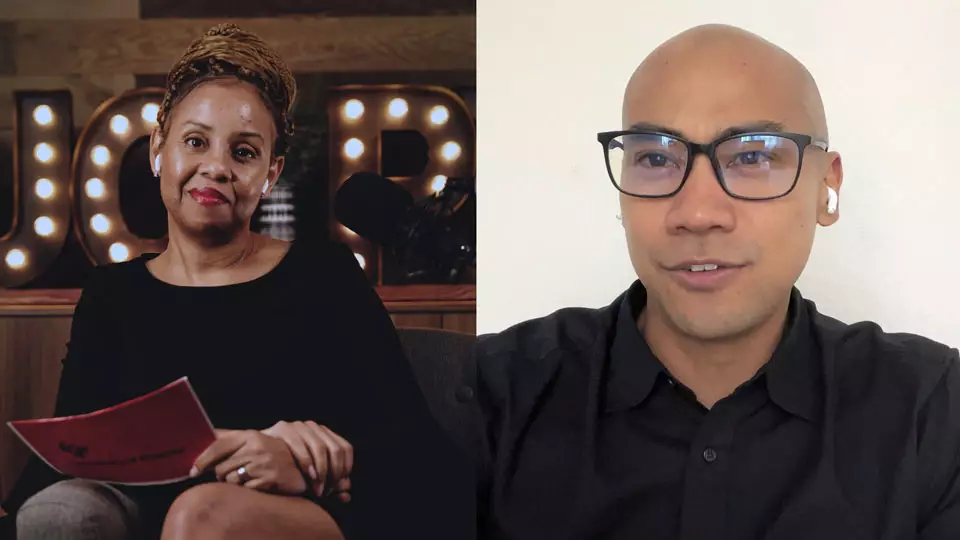
## About the Degrees of Success™ Podcast

The Degrees of Success podcast by University of Phoenix brings you inspiring stories of UOPX alumni who have transformed their careers through education. Each episode highlights personal journeys of overcoming obstacles, achieving professional milestones and using education to unlock new opportunities. Whether you’re looking for motivation, career advice or guidance on how education can propel you forward, these alumni stories offer invaluable insights to help you succeed.

## Listen to the Degrees of Success™ Podcast

## Featured Article

### Modern Monastic

**October 17, 2023 • 6 minutes**

[Read article](/blog/2023/10/alumnus-gary-batara.html)[Back to all episodes](https://www.phoenix.edu/blog/alumni-chronicles/podcast.html)[Back to Blog](/blog.html)