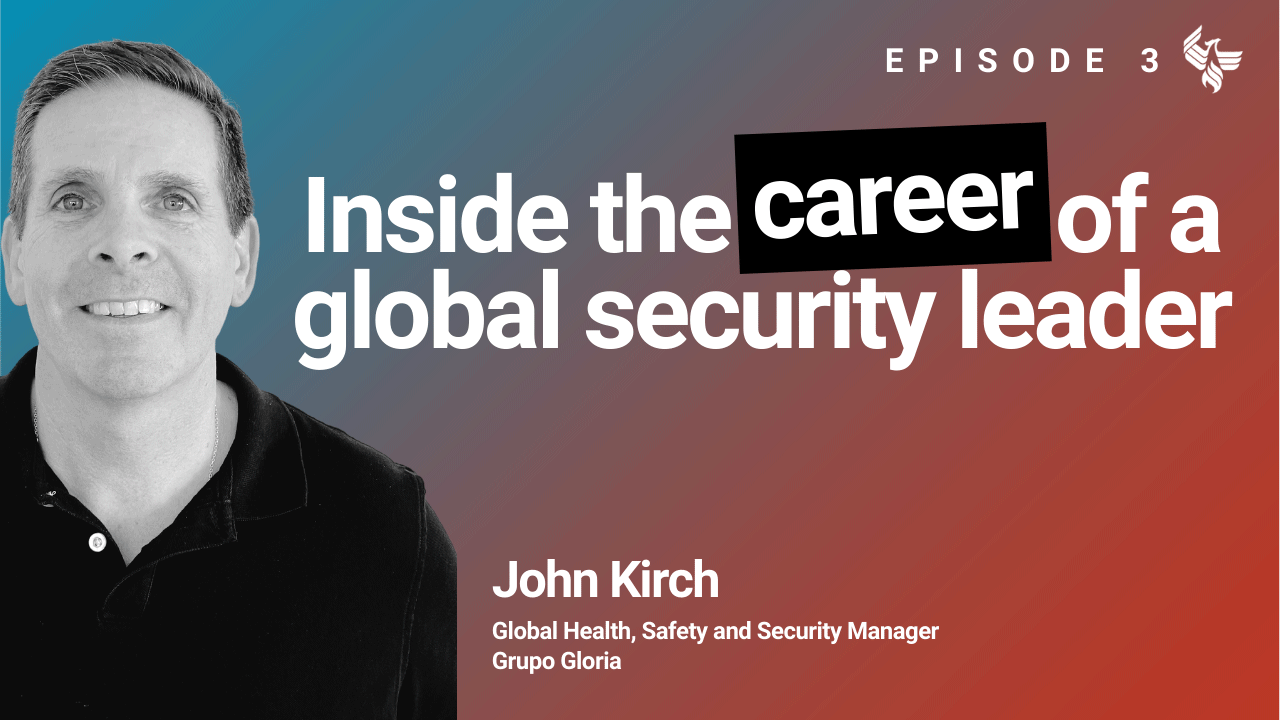
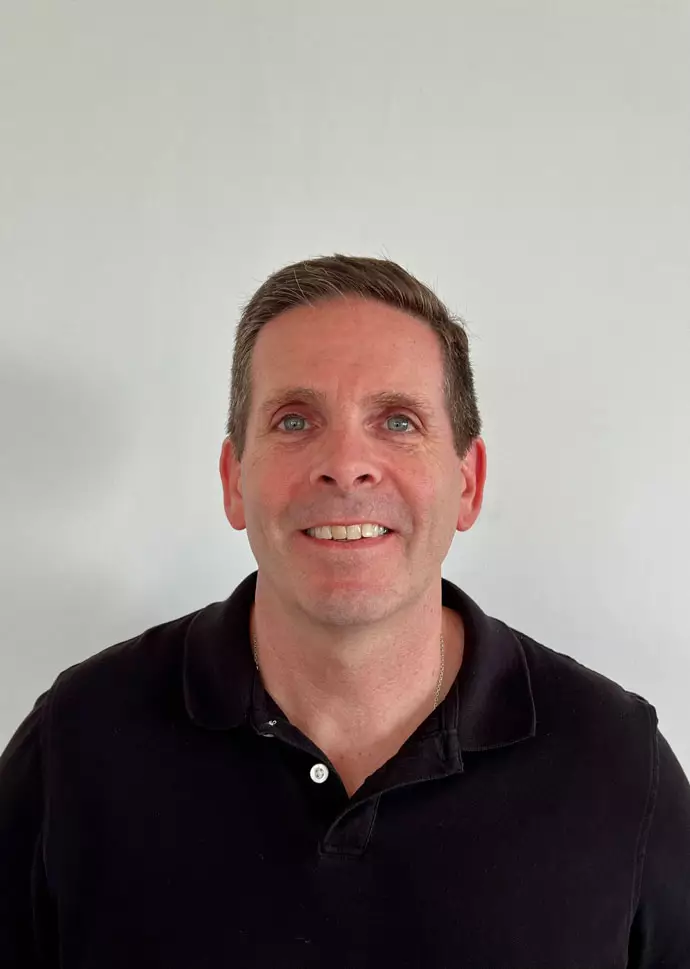
# Leadership by example with UOPX alumnus John Kirch

November 21, 2024 • 5 minutes
## How a Marine Built a Career in Security and Risk Management | Degrees of Success Podcast Ep 003

×  
Chapter 1: Introduction to Degrees of Success and John Kirch. 0:00- Welcome to the Degrees of Success podcast. 0:1414 secondsI'm your host, Frieda Richards. Chapter 2: Overview of John’s journey from Marine Corps service to corporate leadership. 0:1616 secondsAnd today I am joined by an incredible alumni, John Kirch, all the way from Lima, Peru. 0:2424 secondsJohn's resume is incredible. 0:2626 secondsIt starts off with him being the director of corporate security. 0:2929 secondsWith over 20 years of experience, John has been a leader in many different organizations such as the Newmont Corporation 0:3737 secondsand the Gloria Group specializing in security, risk management, and emergency response planning. 0:4343 secondsHe's also a two time University of Phoenix alum with an MBA and a bachelor's degree in organizational security and management. 0:5353 secondsJohn, we are so happy to have you. Thank you for joining us. - Thank you, Freea. It's great to be here. 0:5959 seconds- Absolutely. Well, we're so excited to have you and learn more about your story, so let's just jump right in. 1:041 minute, 4 secondsOkay. Tell me more about like your upbringing and what you were like as a kid. 1:101 minute, 10 seconds- Well, as a kid I was a very, probably disorganized kid actually. 1:161 minute, 16 secondsYeah, we very active in sports, but probably I was a little bit on the borderline out of hand. 1:231 minute, 23 secondsSo yeah, it was a challenge. 1:251 minute, 25 secondsI was a challenging kid as a, as a youngster, but Marine Corps changed that for me really quick. 1:331 minute, 33 seconds- I, I'm sure, I'm sure it's, you know, it's funny that you say that because I was going to say thank you so much for your service. 1:391 minute, 39 secondsNow I am an Army brat, but both my husband and father were in the Marines, and so thank you for your service. 1:461 minute, 46 secondsI'm sure that being a Marine had a lot to do with the way in which you lead. Now tell me more about your experience there. 1:531 minute, 53 seconds- Absolutely. I think the Marines, first of all, thank you for the service of your husband, your mother, and your father. 1:591 minute, 59 secondsSo you're still a Marine, like I said, because I, I went to a Marine, always a Marine, but that's - Right. 2:062 minutes, 6 seconds- The Marines had the military in general, but for Marine, the Marine Corps had a huge impact the way I lead because in the Marines we have, you know, the middleman is the person that leads everything. 2:182 minutes, 18 secondsThe directives come from the top and basically the people that, the top officers, senior enlisted, those are the ones who are, are the ones 2:272 minutes, 27 secondswho make sure that the enlisted NCO ranks or the lower ranks have the resources that they need and the guidance that they need, but they let 'em do their job. 2:362 minutes, 36 secondsAnd I think this has carried me into the corporate world today because, and it's really strange in my field because people want me to do and, and, and give orders, but I give directives and I let my team do their job. 2:482 minutes, 48 secondsAnd my job as a leader is always to make sure that they have what they need to, to advance and to, to achieve their goals and make them shine. 2:572 minutes, 57 secondsI don't need to shine at my level. 2:592 minutes, 59 secondsI make sure that my team is seen by upper management, by presidents, the president of the corporation. 3:063 minutes, 6 secondsI let them have their own reach on what they do in their objectives and their day-to-Day operations. And I just guide 'em. 3:143 minutes, 14 secondsThey just look to me as a leadership, from a leadership point of view and, and ask me for guidance. 3:203 minutes, 20 secondsBut I let them get their, their glory, let them do their job and, and just make sure that they have everything that they need. 3:263 minutes, 26 secondsSo that I've taken all that from the Marine Corps and brought it into the corporate - World. 3:323 minutes, 32 secondsExcellent. Well, I imagine that all the people who work for me or excited and happy that you were that type of leader to actually lift people up and celebrate them and make sure they're seen by other leaders. 3:423 minutes, 42 secondsIt doesn't just shine your light, but it shines theirs as well. 3:453 minutes, 45 secondsSo I know that that's important to the people that you work with. 3:493 minutes, 49 secondsAnd so tell me this, I know that you've worked in seven countries in Central America and in South America. 3:573 minutes, 57 seconds- Correct. - Tell me more about your position in with corporate security. - Yeah, we have, I work for a large corporate company. 4:054 minutes, 5 secondsIt's called Gloria. It's Peruvian owned, it's family owned as a matter of fact, but we operate in, in seven different countries in South America, Peru, 4:144 minutes, 14 secondsColumbia, Ecuador, Argentina, Bolivia, Puerto Rico, and also Chile coming soon. 4:214 minutes, 21 secondsBut we have several different areas in the company, several different holdings. 4:264 minutes, 26 secondsWe have everything between our main products, which is dairy and food products. We have cement holdings, we have paper and packaging. 4:354 minutes, 35 secondsWe do agriculture, we also do transportation and logistics. 4:394 minutes, 39 secondsAnd all of those countries have a major footprint in the company. 4:434 minutes, 43 secondsThey're all major corporations in those countries, key employers. 4:484 minutes, 48 secondsAnd in Peru, it's one of the main, it's, it's a household name in every household. 4:544 minutes, 54 secondsEveryone goes up with the products that we, that we're owners of, you know, so it's, it's an outstanding company to work for. 5:025 minutes, 2 secondsWe have, it's, it's well known and well respected. 5:065 minutes, 6 seconds- Excellent. And I'm, I imagine that your leadership is helping that stay well known and well respected. 5:125 minutes, 12 secondsCorrect. So you mentioned that Gloria Group is actually going to be in Chile and a few other areas in South America and Central America. 5:235 minutes, 23 secondsI know also that you are bilingual, is that right? - Yes, correct. Fully bilingual. 5:305 minutes, 30 seconds- That's amazing. So is there anything special you wanna say to our bilingual audience? - Yeah, sure. Chapter 3: How military discipline shaped John’s career and leadership style. 5:435 minutes, 43 seconds- I love it. We'll put the, we'll put the translation down below. Excellent. Thank you for that. 5:505 minutes, 50 secondsSo to speaking of, I believe this is the word in Spanish, the Yana Cocha Shield project was by far one of the global standards. 6:036 minutes, 3 secondsLike it is absolutely fabulous. Can you tell us more about that and how you created it? 6:096 minutes, 9 seconds- Sure. Yana Cocha Shield was born, it was actually strange 'cause I named it because everyone's like, well, you're a Marine, you have to have to Desert Shield. 6:176 minutes, 17 secondsShield. It kind of clicked, you know. 6:196 minutes, 19 secondsSo Yana Shield was a project that was created because the board, we have the operation in Peru, which is called Yanacocha. 6:296 minutes, 29 secondsIt had a lot of social issues, a lot of what we call the possessory defenses where people come in and take your land and you have to take the land back within 6:376 minutes, 37 secondsa certain amount, amount of time before it becomes their land. 6:426 minutes, 42 secondsAnd on a mine site, which is so large, that one part of land could be very critical to the asset and to the operations. 6:496 minutes, 49 secondsSo we were constantly in this back and forth between the community and, and things like that. 6:556 minutes, 55 secondsAnd also we had a huge amount of theft from the operation because obviously, you know, gold is gold. 7:007 minutesSo people come in, they steal gold, not bars, but they steal, you know, precept, which is liquid gold, or they steal splatter, which is when they're pouring the gold splashes over. 7:127 minutes, 12 secondsAnd that has a high value. 7:147 minutes, 14 secondsSo we, and just, just that, but we also had a lot of equipment that was stolen and that could have a huge impact 7:217 minutes, 21 seconds'cause all the equipment's imported or are brought from other regions approved. 7:257 minutes, 25 secondsSo the board of directors said, we have another project, which is called Sulfides in Ya sulfides, 7:337 minutes, 33 secondswhich is extends the mi life of mine up to about 10 years, 11 years. 7:397 minutes, 39 secondsSo they said, we, we can't invest in something that's a long term process if we don't protect our installations as it is, we're getting people 7:467 minutes, 46 secondsthat are getting injured, the community members and things like that. 7:507 minutes, 50 secondsSo the board asked, asked us to, to implement a project which would in improve the, in the infrastructure, 7:597 minutes, 59 secondsthe procedures, technology adapt, things that didn't go that we, we didn't have normally, basically. 8:078 minutes, 7 secondsSo they asked me to be in charge of the project. 8:108 minutes, 10 secondsI was actually on my way back to Miami to, with the regional location of the regional office. So I, they asked me to stay in Peru. 8:188 minutes, 18 secondsI said, definitely I'll stay. I'm happy. 8:208 minutes, 20 secondsSo I, I, what I did was I, I developed a whole scope of work, look for travel all around the world, looking for different suppliers for things that they didn't have and didn't exist. 8:308 minutes, 30 secondsActually, some of the things that we created were specifically designed to this implementing technologies from other industries such as aviation. 8:398 minutes, 39 secondsThey didn't think about that either. So they were like, how did you come up with this? I was like, does aviation make sense? You know? 8:468 minutes, 46 secondsSo we implemented technology that didn't exist and it had, we had a budget of about $10.5 million for this one project. 8:568 minutes, 56 secondsWe did it at nine and it's, and, and changed the whole way. We do life way, we operate the mine site. 9:039 minutes, 3 secondsSo it was a huge success. 9:059 minutes, 5 secondsAnd they say, well, we're gonna take this to other countries. 9:079 minutes, 7 secondsWe're gonna take this to certain, we're gonna take it to Argentina, wherever we took it. So it was interesting. 9:139 minutes, 13 seconds- Oh, wow. So not only was this project incredibly successful, it was also a way for you to stay in Peru, is that right? 9:209 minutes, 20 seconds- Correct. I was on literally on my way to Miami one week prior to being named to this project. 9:269 minutes, 26 secondsSo it was, it was a, oh my goodness, awesome way of staying. 9:309 minutes, 30 secondsSo, - So you're, you're in Peru now. 9:339 minutes, 33 secondsHow long have you been there and what's keep you like, what do you love about it? - I've been here for a total of 29 years. 9:399 minutes, 39 secondsI start, I came here as a, a marine security guard assigned to the US Embassy in Lima in 1991. 9:469 minutes, 46 secondsI was here during the time of terrorism and I met my wife who's Peruvian, and we went back to Connecticut. And she didn't like the cold, she didn't like this. 9:559 minutes, 55 secondsIt was not enough people there, you know, so she, she said, let's go to another state. I said, well, let's go back to rural where you're from. 10:0310 minutes, 3 secondsAt least you have family. We'll figure out. She said, okay. 10:0610 minutes, 6 secondsAnd I've been here since that time, so it's 27 years this time. 10:1010 minutes, 10 secondsSo it's, and I love it because, you know, it's, it's never end. It never stops. Just, it's a major city. 10:1710 minutes, 17 secondsWilla's a a metropolis. 10:2010 minutes, 20 secondsYou have things that are constantly going on and it's just awesome. The food is awesome this way. That's the best part. 10:2810 minutes, 28 secondsThe food is great. So - IL Hey, listen, that's the best part about traveling, for me at least, is the food - Exactly right for me too. 10:3910 minutes, 39 seconds- Well, so we'll have to travel some day. 10:4210 minutes, 42 secondsOne day I'll they out to pre they gimme some good restaurant suggestions. - We'll take you up on that. Trust me. - I love it. I love it. 10:4910 minutes, 49 secondsTell me how nine 11 affected your career. - Wow. That, that's an amazing question. Everyone remembers nine 11. 10:5710 minutes, 57 secondsEveryone remembers where they were. It's funny because for in my situation, it's, it's looking back in retrospect, it's, it's kind of strange. 11:0911 minutes, 9 secondsI joined an airline in April of 2001. 11:1311 minutes, 13 secondsI worked for Continental Airlines, which is now United Airlines. 11:1611 minutes, 16 secondsAnd, and part of my induction was spent one month working in New Jersey and I was, they asked me to go monitor a security checkpoint. 11:2411 minutes, 24 secondsAnd they said, what is your opinion? I said, they're not doing their job. And they said, what didn't they do? 11:3111 minutes, 31 secondsThey don't screen first pass passenger, first class passengers. 11:3411 minutes, 34 secondsThey don't screen everyone the way they should, and they're kind of like playing around. And I said, okay. 11:4011 minutes, 40 secondsAnd after that I went, I, I traveled to do documentation training with, with 11:4711 minutes, 47 secondsimmigration nationalization service at that time, d and after that I came back to prove, to implement the, 11:5711 minutes, 57 secondsto take care of the security operations in, in continental in brew. 12:0112 minutes, 1 secondI was new on the job learning all the processes of security for aviation. And, and five months later, nine 11 happened. 12:1112 minutes, 11 secondsAnd that changed obviously the world and especially in regards to aviation security and where I worked. 12:1912 minutes, 19 secondsSo I didn't have any contact with any of my bosses because they worked in New Jersey at the time for a week. So we didn't have any idea what was happening. Chapter 4: Insights into John’s role as Director of Corporate Security. 12:2712 minutes, 27 secondsThe security directives before that came out once every six months. Once a year. They were coming out 12 per day. 12:3512 minutes, 35 secondsSo we couldn't even print off the copies before there was a change. 12:3912 minutes, 39 secondsI stopped printing and how to adapt the security processing because you have different security levels depending on your country security approval. 12:4712 minutes, 47 secondsColumbia, Venezuela at that time were all high risk countries. 12:5112 minutes, 51 secondsSo they had the highest level of security, even higher than the US after 11 September, September 11th, sorry. 13:0013 minutesSo we had to adapt constant changes. 13:0313 minutes, 3 secondsAnd it got to the point where I was calling my boss finally got a hold and we started operating again. 13:0713 minutes, 7 secondsIt was crazy. We had to open up all the bags on the ground in front of all the passengers. And, you know, privacy didn't exist at that time. 13:1613 minutes, 16 secondsIt was like, you want, you saw everything and that was the way it is. 13:2013 minutes, 20 secondsSo I, you, you have millions of questions, you know, you're a brand new person. 13:2413 minutes, 24 secondsAnd my boss just said, Hey, I'm not, I'm not the specialist here. You just converted to the specialist. 13:3113 minutes, 31 secondsI was like, you worked 15 years in the organization. I, he's like, yeah, but no one has seen this before. 13:3913 minutes, 39 secondsSo he said, I don't see the operations, I don't see catering, I don't see passengers, I don't see baggage, I don't see documents. 13:4513 minutes, 45 secondsYou see all of that. So you're up to date with all the change and now you have to guide the rest of us through this organizational change. 13:5113 minutes, 51 secondsSo that was a powerful experience and, and something that obviously we never wanna repeat again, 13:5813 minutes, 58 secondsbut it was just an outstanding, from a professional side, looking at on, on a, on a PO 14:0514 minutes, 5 secondspositive side from professional side and security, that was awesome. 14:0914 minutes, 9 secondsLearning experiences, as grim as it sounds, you know, so one of my strange experiences is security. 14:1814 minutes, 18 seconds- I definitely a strange experience, but how much do we appreciate the security now? 14:2414 minutes, 24 secondsLike we don't have any of those issues and we know that it's because of people such as yourself that are professionals in security that keep us that way. 14:3314 minutes, 33 secondsHow do you maintain a work life balance in a life and death career? - Yeah, that's an interesting challenge. 14:4114 minutes, 41 secondsI think I have a different perspective than my wife. 'cause I always say, yeah, I'm, I'm not working right now. She's always constantly, but you're on your phone. 14:4914 minutes, 49 secondsI say, okay, it's a challenge. 14:5114 minutes, 51 secondsIt's, I think, you know, with today's technology, with, you know, the, the high, just the fast way of living, people don't have that disconnect. 15:0215 minutes, 2 secondsIt's kind of hard. Even though you think you are disconnected, you're constantly on your phone, you're constantly looking at social media. So that disconnect is a big challenge. 15:1115 minutes, 11 secondsI try to do the best I can with it. 15:1415 minutes, 14 secondsI, I definitely respect my, my family time when I'm at home. I'm definitely a hundred percent there. 15:2315 minutes, 23 secondsMentally, probably not so much. 15:2515 minutes, 25 secondsBut yeah, I'm with them and I try not to connect is during the weekends and, and, and, and holidays. 15:3215 minutes, 32 secondsYou know, I always tell my team, handle it, you can do it. And, and I trust your judgment. So that's, that's a big challenge today. 15:4015 minutes, 40 secondsBut I, that's the way I, - Excellent. 15:4315 minutes, 43 secondsSo tell me more about getting your degree from University of Phoenix. Did you do that all online in Peru? 15:5115 minutes, 51 seconds- Yeah. It's interesting. 15:5215 minutes, 52 secondsI I, I saw at that time a lot of publicity at the University of Phoenix. 15:5815 minutes, 58 secondsI was looking for a program that would allow me, because I, I studied as an adult and I studied as, when I was working, I had to have a whole family. 16:0616 minutes, 6 secondsSo I had to look for something that could fit into my schedule and not me into theirs. 16:1116 minutes, 11 secondsAnd that was a big challenge because a lot of times they have, you know, fixed schedules, fixed class times. I, and I just couldn't do that. 16:1916 minutes, 19 secondsI worked, I've always worked as being married and, and and studying at the same time. 16:2416 minutes, 24 secondsSo I've always had that challenge and something that just the military support at the time and until now, the way that they love the veterans, 16:3416 minutes, 34 secondsthe time, the flexible schedule just allows me to do everything that I needed to do when I could do it. 16:4016 minutes, 40 secondsAnd I just, once I started taking that first class and I started getting into that rhythm, it just fit, you know. 16:4716 minutes, 47 secondsAnd that's why I, I, once I finished my first degree, I continued onto my master's degree because I knew the, the schedule, I knew the way that the, the things worked, the methodology. 16:5716 minutes, 57 secondsAnd I said, that's, that's where I wanna finish. So that's, that's how it'll fit in. So it's just a perfect fit. - I love that. Yeah, absolutely. 17:0517 minutes, 5 secondsThe flexibility for our adult learners is essential, - Right? - Especially when we have families in, in full-time jobs. 17:1217 minutes, 12 secondsTell me, how do you think your degree actually benefited you in your career? 17:1817 minutes, 18 seconds- My boss once told me, he said, if you don't have an MBA, you won't be a man at a director level. I said, okay, I'll do it. 17:2417 minutes, 24 secondsI didn't, I didn't wanna do it at this at the first, but I said I have to do it. It's just a challenge, my personal challenge. 17:3017 minutes, 30 secondsAnd, and, and that's, that's just the way it is. 17:3417 minutes, 34 secondsI think people lose that possibility if people think that investing in a degree is not worth it. I said, but that's yourself. 17:4117 minutes, 41 secondsYou're investing in your own people. Invest vacation, investing in that. 17:5017 minutes, 50 secondsBut that's not, that's, that could be gone in one second. 17:5317 minutes, 53 secondsSo I said, no, I, I need something that's gonna be a benefit for me and for my family. 17:5717 minutes, 57 secondsSo that's why I decided to go on the, to higher education at, at this level know. 18:0318 minutes, 3 secondsAnd that it's actually, I kind of, I put a, a milestone for my kids. 18:0818 minutes, 8 seconds'cause my wife always tells them, but your father set a high barrier. You gotta overcome your father. And they're like, I have to get a doctorate. 18:1618 minutes, 16 secondsYou know, it's, it's kind of hard to, so it kind of set that standard in our household. So, and, and all of my kids are studying. 18:2318 minutes, 23 secondsSo it's, that's, it's a good example - John, thank you so much for that. 18:2818 minutes, 28 secondsTell me, I, you're in Peru, what is the security like there now? - Yeah, in Peru is a big challenge for security. 18:3718 minutes, 37 secondsAnd this is why the University of Phoenix and how to management and things like this help me in my degree because it teaches you, 18:4418 minutes, 44 secondsit gets you away from the simple security manager and putting more security guards. 18:5118 minutes, 51 secondsYou have to evaluate the operations across the board and how that affects the business continuity. 18:5618 minutes, 56 secondsNow Peru has a, an interesting situation, like most Latin American countries, we have a lot 19:0419 minutes, 4 secondsof people think that terrorist groups like Shining Path had disappeared, but actually they basically migrated to the remote areas of rural with the drug cartels. 19:1419 minutes, 14 secondsAnd, and we don't see 'em in Lima. 19:1619 minutes, 16 secondsWe don't see 'em in, in major cities 'cause they're off doing what they have to do. 19:2019 minutes, 20 secondsA lot of things that you saw, for example, extortions that you're seeing in the US now on TV all the time, those are true situations. 19:2919 minutes, 29 secondsThey, they're, they're the reality that we've been seeing for the last five years and, and it's gonna get worse. 19:3719 minutes, 37 secondsSo when we talk about how do you handle security and how do you manage that for organizations, it's a challenge. 19:4419 minutes, 44 secondsAnd we're seeing that across the board and in every different organization. The rule of law is, is not as great as it should be. 19:5319 minutes, 53 secondsThe police do an outstanding job, but it's just not enough. 19:5619 minutes, 56 secondsThey, you know, they get taken out of prison and, and put back in the seat on the streets. So it's a challenge. It's a great place to live. 20:0520 minutes, 5 secondsAnd it doesn't, I don't wanna sound horrible, but it's just, it's it's, it, it is what it's, oh, - Absolutely. 20:1320 minutes, 13 secondsAre there any, how do you identify if security is there? There's a security issue. 20:2020 minutes, 20 secondsCould you give me an example of that? - Yeah, that's interesting. We have a, that's an interesting question. We have a lot of different issues. 20:2720 minutes, 27 secondsWe have a theft constantly armed robbery in, in our operations. And, and you see it in, in many different organizations. 20:3420 minutes, 34 secondsSo you basically have to look at what happens versus what could happen. 20:3920 minutes, 39 secondsIt's, it's always trying to project the future of what's gonna happen in your operation. And that's just risk assessment and risk management. 20:4620 minutes, 46 secondsYou try to close the gaps to where you think if I were a person that was on the other side of the fence is trying to steal stuff or, 20:5420 minutes, 54 secondsand if I were a criminal, how would I attack it or how would I do this? 20:5820 minutes, 58 secondsAnd where, where am I constantly, where's my threat level? 21:0421 minutes, 4 secondsAnd I think that that's something that we're constantly doing. It doesn't always work. 21:0921 minutes, 9 secondsIt would be great if it always worked, but you know, we see things daily, people progress on the negative side. 21:1721 minutes, 17 secondsPeople progress in how they carry out their activities and they say, how can I improve? 21:2121 minutes, 21 secondsJust as we're security professionals spend eight hours or 12 hours a day working security for the companies 21:2921 minutes, 29 secondsand evaluating risks and, and risk assessments and things like this, mitigation actions. 21:3621 minutes, 36 secondsBut criminals spent 24 hours a day trying to to, to violate those i, those, those actions. 21:4321 minutes, 43 secondsAnd they try to look for different ways to get at us. 21:4621 minutes, 46 secondsSo they're spending double the amount of time than we are in trying to get to what, to get into the same thing that we're trying to protect. 21:5321 minutes, 53 secondsSo I think you have to have that in constant considerations. What can we do better? 21:5821 minutes, 58 secondsAnd it's a never ending evolution of, of security. 22:0422 minutes, 4 secondsOnce you fall into that comfort zone is when they're gonna, you're gonna have an issue. 22:0722 minutes, 7 secondsAnd I think that never being in a comfort zone, always challenging your situation, do a constant test of your system. Chapter 5: Overcoming Challenges Post-9/11. 22:1522 minutes, 15 secondsAnd that's what we do every day. So. - Well, I know that - It's a, it's a challenge. - I'm, I'm sure it's a challenge, but highly appreciate it. 22:2222 minutes, 22 secondsAnd in keeping people safe, I heard you say that one of the concerns and one of the safety issues is theft. 22:3022 minutes, 30 secondsAre there any issues in regards to like human trafficking, whether it be children or women? And if so, how do you deal with that or, and identify it? 22:3922 minutes, 39 seconds- Yeah, this is an issue. It's a social issue. 22:4122 minutes, 41 secondsWe, we have it, it happens, it happens all across Latin America. It's happening in the us you see it now. 22:4822 minutes, 48 secondsIt's, it's one of those actions that you can see sometimes. When I was an airline, we used to see that a lot. And that's more than 20 years ago. 22:5722 minutes, 57 secondsSo you would see children with parent people that weren't their parents and you can pick up on those body language and, and, 23:0423 minutes, 4 secondsand their nonverbal communication where you, and you talk to the kids, say, Hey, that's what I used to do with my team. 23:1123 minutes, 11 secondsYou talk to the kids as children and say, Hey, how are you? You know, where's your mommy? You know, she's at home and your daddy at home. 23:2023 minutes, 20 secondsOh, and that's a red light. 23:2123 minutes, 21 secondsIt's one of those things that just sets off a red light and say, okay, something's off here. 23:2523 minutes, 25 secondsAnd then when you start digging deeper, then you get the police involved and, and you figure out, hey, these are like five children that could have been abducted or taken outside per, 23:3623 minutes, 36 secondsand what's happening in the US is like, it's been happening all across the world for, for many years. 23:4223 minutes, 42 secondsYou know? So I think you have a bigger challenge in the US and we do here because it's, it's something that it's, it's, 23:4923 minutes, 49 secondsit's a bigger piece of land, you know, here, here it's the smaller countries and you have ways of doing, but the benefit is you have rule of law there. So 23:5823 minutes, 58 seconds- What new technologies or trends do you think are shaping the future of corporate security? 24:0624 minutes, 6 seconds- That's a great question. You know, it security. 24:0924 minutes, 9 secondsWhen you look at security in overseas or versus the United States, and you see a lot of times in the job descriptions 24:1624 minutes, 16 secondsand the job titles that when you do an online search for, you know, corporate security in the US US has transformed from physical to security to cybersecurity. 24:2624 minutes, 26 secondsSo I even saw one company that said, you know, security officers, security officers for me as guards and even everywhere else in the world except for the us. 24:3624 minutes, 36 secondsSo when I saw security officers and I started looking at job, the job descriptions, they said, you know, technology. 24:4224 minutes, 42 secondsAnd then they had all the requirements for SAS and, and you know, cyber. And I said, this is not security. 24:4824 minutes, 48 secondsSo the US has migrated to to cybersecurity, but they're using the title, so corporate security and, and physical security and, 24:5624 minutes, 56 secondsand they're just kind of like getting it out in a strange way. For me that is, is it's definitely the future. 25:0425 minutes, 4 secondsAI is the future you have, cyber is definitely important and it's probably something I'm gonna be looking at in the near future 25:1225 minutes, 12 secondsbecause if not in the long term, I probably won't unless I stay in, in overseas and I won't have a, a job market there. 25:1925 minutes, 19 secondsBut I think AI in cyber is definitely, those are the, the biggest trends. 25:2625 minutes, 26 secondsBut at the same time, we can't lose our core as as corporate security and physical security because that's where you see a lot of chaos. 25:3625 minutes, 36 secondsYou see a lot of, when you see marches, there's security that's involved. When you see theft, that's security. 25:4325 minutes, 43 secondsAnd when you see this uptake in all these, these social events that you have in the US between theft and, and and extortion and armed robbery, that's 25:5325 minutes, 53 secondsbecause they're losing sight that that corporate security has to exist and physical security has to exist. 25:5925 minutes, 59 secondsSo I think that that's one of the failures that, or one of the opportunities of improvement that that could be, you know, handled by organizations. 26:0726 minutes, 7 secondsThey're looking a hundred percent cyber, but they don't understand that their operations are cut when you have physical security in operations. 26:1526 minutes, 15 secondsAnd that can cause just as much damage to the organization as, as, as a cyber attack, - You know? 26:2426 minutes, 24 secondsMy goodness. Well your leadership is most likely gonna hopefully help that issue within itself. 26:3226 minutes, 32 secondsMaybe you could send, send some information this way to the us We don't get stuck in that route. 26:3826 minutes, 38 secondsBut using, speaking about your leadership, tell me your particular style of leadership. 26:4426 minutes, 44 seconds- I, I have an interesting leadership style and it's kind, it's probably 'cause of my military service, but I'm always, like I said, letting my team shine for me is leadership by example. 26:5726 minutes, 57 secondsIf, if I don't do what's right, then my team's not gonna do what's right. 27:0127 minutes, 1 secondIf I never send someone to do something that I'm not willing to do. And this kind of drove people crazy at the mindset side. 27:0827 minutes, 8 secondsThey said, please do not go on these social marches and things like that. If I'm not gonna send one person, if I don't go myself. 27:1627 minutes, 16 secondsSo if you don't like it, then I'm the wrong person for the job because I won't send someone into harm's way without me being there and doing it myself. 27:2427 minutes, 24 secondsBecause if I'm afraid, then they should be afraid now. 27:2827 minutes, 28 secondsAnd always being flexible, that's, those are my key key leadership. 'cause everyone has their own qualities. 27:3627 minutes, 36 secondsEveryone has strengths, everyone has weaknesses. 27:3827 minutes, 38 secondsSo I look for things that people that they sometimes don't see in themselves and I push them to development into that position. 27:4627 minutes, 46 secondsSo I've seen a lot of train, a lot of changes in people that, like introverts take 'em to the extrovert, 27:5327 minutes, 53 secondsextroverts trying to push 'em back into the introvert so they can, you know, and that, you know, it improves their, their style and improves how they get things done. 28:0128 minutes, 1 secondBut that's, I like working with people. That's, for me, that's my backbone. I just slow it. 28:0828 minutes, 8 seconds- So as a people leader, it sounds like you are a servant leader. 28:1128 minutes, 11 secondsExactly. Wanting to make sure that you're pulling along and working with them. 28:1528 minutes, 15 secondsI can imagine that being pivotal for the people that you work with. That's, that's incredible. 28:1928 minutes, 19 seconds- Yeah. I, I always tell people that security is always, it's across the board service. 28:2428 minutes, 24 secondsWe're, we're here to attend everyone in regards of, of what we do. - Well you've been doing it for 20 years. Yes. Which is fabulous. 28:3328 minutes, 33 secondsIf within that 20 years, if in any way you could do something again or do it differently, what would that be? - Yeah, that's a great question. 28:4128 minutes, 41 secondsI always question myself is whether I should have gotten outta the military or not, because I, my wife tells me, you, you left the Marine Corps a long time ago. 28:4928 minutes, 49 secondsYou know, I say, yeah, but I, I'm always a Marine, so I just love that part. I'm always gonna be that. 28:5628 minutes, 56 secondsThat's, but I mean I've, you know, everyone has ups and downs. Everyone has things that they would sometimes regret. 29:0429 minutes, 4 secondsI have a list of things that I have regret. 29:0629 minutes, 6 secondsI could have probably done better, but I don't think I would've changed anything. 29:0929 minutes, 9 secondsI think that that is what we've come from in, in, in learning along the way. 29:1429 minutes, 14 secondsI just think that those are key parts of, of the life process, you know, and, and leadership. 29:1929 minutes, 19 secondsLeadership. People don't get to leadership positions without making mistakes. 29:2329 minutes, 23 secondsYou know, if you were looking at like, Thomas Edison says, I've not failed. 29:2629 minutes, 26 secondsI've just found a, I've not been successful. I just found a 10,000 things that don't work. You know? 29:3529 minutes, 35 secondsSo just along the way, failure is part of the process. 29:3929 minutes, 39 secondsJust you can make a billion and you just get one thing right. And you just shine for that. 29:4329 minutes, 43 secondsAnd so yeah, I, I wouldn't change anything. I just love it - That I couldn't agree with you more. You know, all of your failures help make you who you are. 29:5229 minutes, 52 seconds- Absolutely. Absolutely. 29:5429 minutes, 54 secondsSo if you didn't fail, then, then the first time you fail, you're gonna have a hard time. - Trust me. And if you don't fail, then did you try? 30:0230 minutes, 2 seconds- Exactly. Exactly. 30:0330 minutes, 3 secondsIf you're not willing to take a risk, everything you do then, then you just, just kind of roll over and, and forget about life, you know, because life is just risk. 30:1230 minutes, 12 secondsIt means it's like us, me living abroad, me being in the Marine Corps, me being, taking a challenge and, and challenging myself to get a higher degree. 30:2130 minutes, 21 secondsI mean, I'm just trying to think about what are the next steps, what do, what, you know, it's, it's gonna be interesting. 30:2730 minutes, 27 seconds- Tell me, is there anyone in your life that's been very influential to help you with that drive? 30:3330 minutes, 33 seconds- Yeah, I would set, I would have to say that my wife would be the one that made that drive. She's the, she's my backbone. 30:4130 minutes, 41 secondsShe's, she puts up with me a lot and she, she's always saying, well, you can do this. Why, why didn't you do that? 30:4730 minutes, 47 secondsSo she would, if it wasn't for her pushing me that whole time, I think I wouldn't have gotten as far as I've gotten. I mean, she's just my, she's my rock. 30:5730 minutes, 57 secondsSo I have to, she pushes me to improve myself and everything. And my kids now, she pushes them as well. 31:0331 minutes, 3 secondsSo I think she's the most influential leader I've had, actually. 31:0731 minutes, 7 seconds- Oh, that is excellent. And I believe, I heard you said it's 32 years. - Yes, we've been married for 32 years. Three kids, three grandkids. So it's, it's, it's amazing. 31:1731 minutes, 17 secondsIt's a long time. She deserves a medal of honor, actually. - I believe it. I believe it. She sounds excellent. 31:2631 minutes, 26 secondsShe sounds absolutely excellent. So what achievements are you most proud of and tell me why. 31:3231 minutes, 32 seconds- Sure. I've always something that I've sometimes reflect on, you know, it's like I've never seen 31:4031 minutes, 40 secondsmyself as being the person able to work their whole career and in a language that's not yours, that's in that for me was a major, something that I just overlooked. Chapter 6: Balancing Work and Family. 31:4931 minutes, 49 secondsIt's like, that's kind of strange. 31:5131 minutes, 51 secondsI've worked for 29 years in the country, that's not mine in a language that's not mine. 31:5531 minutes, 55 secondsAnd I've gotten to a management level, director level position on another language, you know? And, and that's been an interesting challenge. 32:0332 minutes, 3 secondsEverything that, just getting to the level I've been to, getting my master's degree for me was like a high point in my career 32:1132 minutes, 11 secondsbecause, you know, it, it was just times that, that you spent not sleeping to study. 32:1832 minutes, 18 secondsI was, I would go to start to study when people would go to when my kids would go to sleep and I would finish when they woke up. So, you know, that long nights was an interesting challenge. 32:2832 minutes, 28 secondsTraveling everywhere I've been in, in the world and, and actually having that contact internationally, 32:3532 minutes, 35 secondsgetting in charge of being in charge of programs that are really, for organizations that are so big, like Yana Shield, like my current position 32:4532 minutes, 45 secondswhere we do a whole, made a whole transformation of, of security from just one of the segments. 32:5232 minutes, 52 secondsSecurity. So the global security setting standards for the whole corporation that I have so many things that I'm so proud of that it's, it's kind of hard. 33:0333 minutes, 3 secondsI, I'd probably drop about a dozen in there that I forgot about, but I, I just, you know everything. Yeah, 33:0933 minutes, 9 seconds- I mean, when you have a 20 plus years of experience, I imagine there's, there's a few achievements that you can be very proud of, as you should be. 33:1933 minutes, 19 secondsAs you should be. Of course. 33:2233 minutes, 22 secondsWell listen, it, this has been an awesome opportunity to learn so much about you and corporate security and, 33:3033 minutes, 30 secondsand ways to get there and how your degree, both of them have helped you in doing so. 33:3633 minutes, 36 secondsSo that, that has been excellent information for us to share with our viewers. Now I wanna do one of my favorite things. 33:4433 minutes, 44 secondsThis is called Rapid Fire Round. 33:4733 minutes, 47 secondsSo I'm gonna ask you some questions pretty quick and I wanna hear them back right off the top of your head. Are you ready? 33:5333 minutes, 53 seconds- I'm gonna try. Alright, - You've got this, you've got this Alright. 33:5933 minutes, 59 secondsBook that changed Your Life - Book that changed my life. 34:0234 minutes, 2 secondsExtreme Ownership by Will Jock Willick and Leaf Babin. Awesome book - Early board or Night Owl. 34:1034 minutes, 10 seconds- Early birth, definitely. Yeah. I fall asleep too early. 34:1534 minutes, 15 secondsI'm - What time do you wake up? - Five o'clock in the morning. 34:2134 minutes, 21 secondsMy, my early my inner alarms wakes me up at that time every morning, so - Oh my goodness. 34:2834 minutes, 28 secondsThe go-to productivity hack, - Constant follow up. That's my, I'm constantly involved and constantly follow up. 34:3734 minutes, 37 secondsThat's probably the best way to get things done. Let my team do it. But be involved. 34:4334 minutes, 43 seconds- Be involved. Best advice you've ever received? - Best advice I've ever received. 34:5034 minutes, 50 secondsThat's an awesome question. He has never made a mistake. Has never tried. 34:5634 minutes, 56 secondsAnd that was been something that one of my directors told me. 35:0035 minutesAnd when I was said, we can't do this, and he just kept giving me back, back and forth and back and forth. So don't be afraid to try things. 35:0935 minutes, 9 seconds- That's a good one. Go to karaoke song. - Wow. Definitely a Bon Jovi song. 35:2035 minutes, 20 secondsSince I'm older and, and probably living on a prayer, I, I, I would say that's the first one that cannot not go wrong with 35:2735 minutes, 27 secondsthat play this song or Welcome to the Jungle by Guns N Roses, definitely those two. - Also a winner. Also a winner. 35:3635 minutes, 36 secondsAnd lastly, what is your personal motto? - My personal motto? 35:4235 minutes, 42 secondsI know I'm not supposed to repeat these questions after, but I'm just kind of at my calculator thinking. So my personal motto, that's a hard one. 35:5035 minutes, 50 secondsI, yeah, I don't really have one. I guess Marine Corps is better than the Army. - Oh my goodness. I'm sorry, Bob. 36:0436 minutes, 4 secondsI've, I've, I'm gonna, I'm gonna have to plead the fifth on that one, but I will say what I've heard you say in this whole entire interview is that you were a servant leader. 36:1336 minutes, 13 secondsYou are an incredible husband. 36:1536 minutes, 15 secondsYou adore your wife and your family, and you strive your best to be present and, and make memories with them 36:2336 minutes, 23 secondsand make sure that the people that you lead are set up for success as well. 36:2736 minutes, 27 secondsSo whether or not that is your motto, it is definitely the light that you shine. - Thank you very much. Yeah, it's a great summary. 36:3536 minutes, 35 secondsI I have to think about that one. 36:3836 minutes, 38 secondsI'm, I'm pretty sure it's Marine Corps's better than the Army. - Oh my goodness. Oh my goodness. Pleading the fifth. 36:4736 minutes, 47 secondsI have to see my mom later, John. 36:5036 minutes, 50 seconds- Well, when I, when the podcast comes out, you can leave that in so I can show my son and he was like, I can't believe you said that in person. - Is he, is your son in the army? 37:0037 minutes- Yeah, he, he's a veteran as well. He was in the Army. So that's, that's a daily thing in my household. Arm Army's worst in the Marine Corps, definitely. 37:0937 minutes, 9 seconds- Oh my goodness. Yes. I know. Your, your son will fill my pain. - Your brothers, all the military services are great. 37:1437 minutes, 14 secondsSo I, I always bother people about that, but when things hit the fan, we're there together. 37:1937 minutes, 19 secondsSo it's, it's just a, it's just a personal thing between services. - I know, I know. I've been an army brat for a while. I've seen it happen. I love it though. I love it. 37:2937 minutes, 29 secondsSo these are our closing thoughts. Listen, you have the floor. 37:3237 minutes, 32 secondsAnything you want our listeners to know or anything else you'd like to share, please share it with us. 37:3837 minutes, 38 seconds- Definitely. You know, I, I've, I think that, first of all, thank all the military service, active duty service personnel on active right now. 37:4837 minutes, 48 secondsVeterans. Take your time to hire a veteran. 37:5137 minutes, 51 secondsTake, take your time To thank active duty members, active veterans as well. 37:5737 minutes, 57 secondsThey've given so much, their families have given so much that people don't realize how much we give as military. 38:0438 minutes, 4 secondsAnd I think that we have so much to give to organizations and leadership styles and getting things done that no one else is willing to do. 38:1538 minutes, 15 secondsI give a huge shout out to an organization I just actually had a conversation with last week, but they're doing an awesome thing, 38:2238 minutes, 22 secondswhich is Mountain Valor Foundation z Zach Kliman is doing an awesome, 38:3038 minutes, 30 secondsit's a nonprofit organization that works with wounded, wounded veterans and also first responders. 38:3838 minutes, 38 secondsThey work a lot with PTSD and getting them, getting them into the mode where they feel that they're very valuable people. 38:4638 minutes, 46 secondsSo he's doing an awesome job. It's a very small foundation, but it's, it's great. So I'll give a quick shout out to them as well. 38:5638 minutes, 56 secondsAnd also thank you for having me on the, on the podcast. 38:5938 minutes, 59 secondsI just, it's great that someone's telling my story and let me shine for University of Phoenix as well. So it's just awesome. 39:0639 minutes, 6 secondsAnd, and it's funny because I actually told my, my counselor career counselor at University of Phoenix, my goal is to become a university teacher, a professor at the University of Phoenix. 39:1839 minutes, 18 secondsSo I'm, we'll see how that takes us. 39:2139 minutes, 21 seconds- Listen, I'm gonna have to put some feelers out there because I think that you would be excellent in that role. 39:2739 minutes, 27 secondsAnd I, I bet you've taught a lot of our listeners a lot about being an, a great servant leader. So thank you so, so much for joining us. 39:3439 minutes, 34 secondsYour story has been simply incredible. Thank you for sharing your journey with us. 39:3939 minutes, 39 seconds- Thank you. - It has just been so awesome to get to learn more about you and we hope that you have an incredible time out there in Peru. 39:4839 minutes, 48 seconds- Thank you. Awesome. I appreciate, I'm honored to be here as well. - Did you happen to come to commencement? - Did I go to commencement? No, no. 39:5639 minutes, 56 secondsI was, I, I wish I could have, but it, it was just a whole logistical nightmare for me 40:0240 minutes, 2 secondsto get there because I, I would obviously want my, my whole family be there to get all the way up there. It was just, it was just impossible. Chapter 7: Leadership in High-Stakes Environments 40:1140 minutes, 11 secondsThat's one of my major regrets, but it's just, it is what it is. So. 40:1640 minutes, 16 seconds- Well, you know, we're signing up for, I mean, every eight weeks you can sign up for your doctor at any time. - Awesome, awesome. 40:2340 minutes, 23 seconds- And then we can celebrate together and walk across the stage. - Outstanding. - Excellent. Well, thank you so, so much. 40:3040 minutes, 30 secondsWe greatly appreciate you and I'm confident that I'm looking forward to seeing you again and getting your information. 40:3740 minutes, 37 secondsUniversity of Phoenix, maybe you'll be a professor anytime here. - Awesome. That would be great. Time to give back. Definitely. 40:4540 minutes, 45 seconds- Well, John, thank you so, so much for joining us, just hearing about your incredible journey. Thank you so much for your service and your sacrifice. 40:5340 minutes, 53 secondsThat means a lot to many, many people, and especially me as an army brat. So thank you so much for that. 41:0141 minutes, 1 secondAnd thank you all for everyone that's joined us. That is it for this episode of Degrees of Success. 41:0941 minutes, 9 secondsFeel free and don't forget to subscribe and like, and comment. 41:1541 minutes, 15 secondsI'm your host, Frieda Richards, reminding you that your next chapter just might be your best. See you soon.
## Listen to the podcast episode featuring UOPX alumnus John Kirch

## How a marine built a global career in security and risk management

1. Show Notes
2. Transcript
Show Notes
University of Phoenix alumnus John Kirch is a global leader in corporate health, safety, and security, living in Lima, Peru. In this episode of the[Degrees of Success Podcast](https://www.phoenix.edu/blog/alumni-chronicles/podcast.html), podcast host Freda Richards talks with John about how his career progressed from a U.S. Marine to becoming the Corporate Health, Safety, and Security Manager for Grupo Gloria, leading security operations across more than 20 companies in seven countries.

Transcript
0:00

- Welcome to the Degrees of Success podcast.

0:14

I'm your host, Frieda Richards. And today I am joined by an incredible alumni, John Kirch,

0:21

all the way from Lima, Peru. John's resume is incredible. It starts off with him being the director

0:28

of corporate security. With over 20 years of experience, John has been a leader in many different organizations such

0:35

as the Newmont Corporation and the Gloria Group specializing in security,

0:40

risk management, and emergency response planning. He's also a two time University of Phoenix alum

0:48

with an MBA and a bachelor's degree in organizational security and management.

0:53

John, we are so happy to have you. Thank you for joining us. - Thank you, Freea. It's great to be here.

0:59

- Absolutely. Well, we're so excited to have you and learn more about your story, so let's just jump right in.

1:04

Okay. Tell me more about like your upbringing and what you were like as a kid.

1:10

- Well, as a kid I was a very, probably disorganized kid actually.

1:16

Yeah, we very active in sports, but probably I was a little bit on the borderline out of hand.

1:23

So yeah, it was a challenge. I was a challenging kid as a, as a youngster, but Marine Corps changed that for me really quick.

1:33

- I, I'm sure, I'm sure it's, you know, it's funny that you say that because I was going to say thank you so much for your service.

1:39

Now I am an Army brat, but both my husband and father were in the Marines,

1:44

and so thank you for your service. I'm sure that being a Marine had a lot to do with the way in which you lead.

1:50

Now tell me more about your experience there. - Absolutely. I think the Marines, first of all, thank you

1:56

for the service of your husband, your mother, and your father. So you're still a Marine, like I said,

2:01

because I, I went to a Marine, always a Marine, but that's - Right.

2:06

- The Marines had the military in general, but for Marine, the Marine Corps had a huge impact the way I lead because in the Marines we have, you know,

2:15

the middleman is the person that leads everything. The directives come from the top

2:20

and basically the people that, the top officers, senior enlisted, those are the ones who are, are the ones

2:27

who make sure that the enlisted NCO ranks or the lower ranks have the resources that they need

2:33

and the guidance that they need, but they let 'em do their job. And I think this has carried me into the corporate world

2:38

today because, and it's really strange in my field because people want me to do and, and, and give orders,

2:45

but I give directives and I let my team do their job. And my job as a leader is always to make sure that they have

2:52

what they need to, to advance and to, to achieve their goals and make them shine.

2:57

I don't need to shine at my level. I make sure that my team is seen by upper management,

3:03

by presidents, the president of the corporation. I let them have their own reach on

3:09

what they do in their objectives and their day-to-Day operations. And I just guide 'em. They just look to me as a leadership,

3:16

from a leadership point of view and, and ask me for guidance. But I let them get their, their glory, let them do their job

3:23

and, and just make sure that they have everything that they need. So that I've taken all that from the Marine Corps

3:29

and brought it into the corporate - World. Excellent. Well, I imagine that all the people who work for me or excited

3:35

and happy that you were that type of leader to actually lift people up and celebrate them

3:40

and make sure they're seen by other leaders. It doesn't just shine your light, but it shines theirs as well. So I know that that's important to the people

3:47

that you work with. And so tell me this, I know that you've worked in seven countries in Central America and in South America.

3:57

- Correct. - Tell me more about your position in with corporate security. - Yeah, we have, I work for a large corporate company.

4:05

It's called Gloria. It's Peruvian owned, it's family owned as a matter of fact, but we operate in,

4:10

in seven different countries in South America, Peru, Columbia, Ecuador, Argentina, Bolivia, Puerto Rico,

4:18

and also Chile coming soon. But we have several different areas in the company,

4:25

several different holdings. We have everything between our main products, which is dairy

4:30

and food products. We have cement holdings, we have paper and packaging. We do agriculture, we also do transportation and logistics.

4:39

And all of those countries have a major footprint in the company. They're all major corporations in those countries,

4:47

key employers. And in Peru, it's one of the main, it's, it's a household name in every household.

4:54

Everyone goes up with the products that we, that we're owners of, you know, so it's, it's an outstanding

5:01

company to work for. We have, it's, it's well known and well respected.

5:06

- Excellent. And I'm, I imagine that your leadership is helping that stay well known and well respected.

5:12

Correct. So you mentioned that Gloria Group is actually going to be in Chile

5:17

and a few other areas in South America and Central America.

5:23

I know also that you are bilingual, is that right? - Yes, correct. Fully bilingual.

5:30

- That's amazing. So is there anything special you wanna say to our bilingual audience? - Yeah, sure.

5:43

- I love it. We'll put the, we'll put the translation down below.

5:48

Excellent. Thank you for that. So to speaking of, I believe this is the word in Spanish,

5:55

the Yana Cocha Shield project was by far one of the global standards.

6:03

Like it is absolutely fabulous. Can you tell us more about that and how you created it?

6:09

- Sure. Yana Cocha Shield was born, it was actually strange 'cause I named it because everyone's like, well,

6:14

you're a Marine, you have to have to Desert Shield. Shield. It kind of clicked, you know.

6:19

So Yana Shield was a project that was created because the board, we have the operation

6:26

in Peru, which is called Yanacocha. It had a lot of social issues, a lot of

6:32

what we call the possessory defenses where people come in and take your land and you have to take the land back within

6:37

a certain amount, amount of time before it becomes their land. And on a mine site, which is so large, that one part

6:46

of land could be very critical to the asset and to the operations. So we were constantly in this back

6:51

and forth between the community and, and things like that. And also we had a huge amount of theft from the operation

6:58

because obviously, you know, gold is gold. So people come in, they steal gold, not bars,

7:04

but they steal, you know, precept, which is liquid gold, or they steal splatter, which is when they're pouring the gold splashes over.

7:12

And that has a high value. So we, and just, just that, but we also had a lot of equipment that was stolen

7:20

and that could have a huge impact 'cause all the equipment's imported or are brought from other regions approved.

7:25

So the board of directors said, we have another project, which is called Sulfides in Ya sulfides,

7:33

which is extends the mi life of mine up to about 10 years, 11 years.

7:39

So they said, we, we can't invest in something that's a long term process if we don't protect our

7:44

installations as it is, we're getting people that are getting injured, the community members and things like that.

7:50

So the board asked, asked us to, to implement a project

7:56

which would in improve the, in the infrastructure, the procedures, technology adapt, things that didn't

8:04

go that we, we didn't have normally, basically. So they asked me to be in charge of the project.

8:10

I was actually on my way back to Miami to, with the regional location of the regional office.

8:17

So I, they asked me to stay in Peru. I said, definitely I'll stay. I'm happy. So I, I, what I did was I, I developed a whole scope

8:24

of work, look for travel all around the world, looking for different suppliers for things that they didn't have

8:29

and didn't exist. Actually, some of the things that we created were specifically designed to this

8:35

implementing technologies from other industries such as aviation. They didn't think about that either.

8:41

So they were like, how did you come up with this? I was like, does aviation make sense? You know?

8:46

So we implemented technology that didn't exist and it had, we had a budget of about $10.5 million

8:54

for this one project. We did it at nine and it's, and, and changed the whole way.

9:00

We do life way, we operate the mine site. So it was a huge success. And they say, well, we're gonna take this

9:06

to other countries. We're gonna take this to certain, we're gonna take it to Argentina, wherever we took it. So it was interesting.

9:13

- Oh, wow. So not only was this project incredibly successful, it was also a way for you

9:19

to stay in Peru, is that right? - Correct. I was on literally on my way to Miami one week prior to being named to this project.

9:26

So it was, it was a, oh my goodness, awesome way of staying. So,

9:32

- So you're, you're in Peru now. How long have you been there and what's keep you like, what do you love about it?

9:37

- I've been here for a total of 29 years. I start, I came here as a, a marine security guard assigned to the US Embassy in Lima in 1991.

9:46

I was here during the time of terrorism and I met my wife who's Peruvian, and we went back to Connecticut.

9:52

And she didn't like the cold, she didn't like this. It was not enough people there, you know, so she, she said,

9:58

let's go to another state. I said, well, let's go back to rural where you're from. At least you have family. We'll figure out. She said, okay.

10:06

And I've been here since that time, so it's 27 years this time. So it's, and I love it

10:12

because, you know, it's, it's never end. It never stops. Just, it's a major city. Willa's a a metropolis.

10:20

You have things that are constantly going on and it's just awesome.

10:25

The food is awesome this way. That's the best part. The food is great. So

10:30

- IL Hey, listen, that's the best part about traveling, for me at least, is the food

10:35

- Exactly right for me too. - Well, so we'll have to travel some day.

10:42

One day I'll they out to pre they gimme some good restaurant suggestions. - We'll take you up on that. Trust me.

10:47

- I love it. I love it. Tell me how nine 11 affected your career. - Wow. That, that's an amazing question.

10:55

Everyone remembers nine 11. Everyone remembers where they were.

11:00

It's funny because for in my situation, it's, it's looking back in retrospect, it's, it's kind of strange.

11:09

I joined an airline in April of 2001. I worked for Continental Airlines,

11:14

which is now United Airlines. And, and part of my induction was spent one month working in New Jersey and I was, they asked me

11:21

to go monitor a security checkpoint. And they said, what is your opinion? I said, they're not doing their job.

11:28

And they said, what didn't they do? They don't screen first pass passenger, first class passengers.

11:34

They don't screen everyone the way they should, and they're kind of like playing around. And I said, okay.

11:40

And after that I went, I, I traveled to do documentation training with, with

11:47

immigration nationalization service at that time, d

11:52

and after that I came back to prove, to implement the, to take care of the security operations in,

11:59

in continental in brew. I was new on the job learning all the processes of security

12:05

for aviation. And, and five months later, nine 11 happened.

12:11

And that changed obviously the world and especially in regards to aviation security

12:17

and where I worked. So I didn't have any contact with any of my bosses because they worked in New Jersey at the time for a week.

12:25

So we didn't have any idea what was happening. The security directives before that came out once every six months.

12:32

Once a year. They were coming out 12 per day. So we couldn't even print off the

12:37

copies before there was a change. I stopped printing and how to adapt the security processing

12:42

because you have different security levels depending on your country security approval. Columbia, Venezuela at

12:49

that time were all high risk countries. So they had the highest level of security, even higher than the US

12:54

after 11 September, September 11th, sorry.

13:00

So we had to adapt constant changes. And it got to the point where I was calling my boss finally got a hold

13:06

and we started operating again. It was crazy. We had to open up all the bags on the ground in front

13:11

of all the passengers. And, you know, privacy didn't exist at that time. It was like, you want, you saw everything

13:18

and that was the way it is. So I, you, you have millions of questions, you know, you're a brand new person.

13:24

And my boss just said, Hey, I'm not, I'm not the specialist here. You just converted to the specialist.

13:31

I was like, you worked 15 years in the organization. I, he's like, yeah, but no one has seen this before.

13:39

So he said, I don't see the operations, I don't see catering, I don't see passengers, I don't see baggage, I don't see documents.

13:45

You see all of that. So you're up to date with all the change and now you have to guide the rest of us through this organizational change.

13:51

So that was a powerful experience and, and something that obviously we never wanna repeat again,

13:58

but it was just an outstanding, from a professional side, looking at on, on a, on a PO

14:05

positive side from professional side and security, that was awesome. Learning experiences, as grim as it sounds, you know, so one

14:14

of my strange experiences is security. - I definitely a strange experience,

14:20

but how much do we appreciate the security now? Like we don't have any of those issues and we know that it's

14:27

because of people such as yourself that are professionals in security that keep us that way.

14:33

How do you maintain a work life balance in a life and death career?

14:39

- Yeah, that's an interesting challenge. I think I have a different perspective than my wife. 'cause I always say, yeah, I'm, I'm not working right now.

14:46

She's always constantly, but you're on your phone. I say, okay, it's a challenge. It's, I think, you know, with today's technology, with,

14:56

you know, the, the high, just the fast way of living, people don't have that disconnect.

15:02

It's kind of hard. Even though you think you are disconnected, you're constantly on your phone, you're constantly looking at social media.

15:08

So that disconnect is a big challenge. I try to do the best I can with it.

15:14

I, I definitely respect my, my family time when I'm at home.

15:20

I'm definitely a hundred percent there. Mentally, probably not so much.

15:25

But yeah, I'm with them and I try not to connect is during the weekends and, and,

15:31

and, and holidays. You know, I always tell my team, handle it, you can do it. And, and I trust your judgment.

15:37

So that's, that's a big challenge today. But I, that's the way I, - Excellent.

15:43

So tell me more about getting your degree from University of Phoenix. Did you do that all online in Peru?

15:51

- Yeah. It's interesting. I I, I saw at that time a lot

15:56

of publicity at the University of Phoenix. I was looking for a program that would allow me, because I, I studied as an adult

16:02

and I studied as, when I was working, I had to have a whole family. So I had to look for something

16:08

that could fit into my schedule and not me into theirs. And that was a big challenge because a lot of times they have, you know, fixed schedules,

16:16

fixed class times. I, and I just couldn't do that. I worked, I've always worked as being married and, and

16:23

and studying at the same time. So I've always had that challenge and something that just the military support at the time

16:30

and until now, the way that they love the veterans, the time, the flexible schedule just allows me

16:37

to do everything that I needed to do when I could do it. And I just, once I started taking that first class

16:43

and I started getting into that rhythm, it just fit, you know. And that's why I, I, once I finished my first degree,

16:51

I continued onto my master's degree because I knew the, the schedule, I knew the way that the, the things worked, the methodology.

16:57

And I said, that's, that's where I wanna finish. So that's, that's how it'll fit in. So it's just a perfect fit.

17:03

- I love that. Yeah, absolutely. The flexibility for our adult learners is essential,

17:09

- Right? - Especially when we have families in, in full-time jobs. Tell me, how do you think your degree actually benefited you

17:16

in your career? - My boss once told me, he said, if you don't have an MBA, you won't be a man at a director level.

17:22

I said, okay, I'll do it. I didn't, I didn't wanna do it at this at the first, but I said I have to do it.

17:28

It's just a challenge, my personal challenge. And, and, and that's, that's just the way it is.

17:34

I think people lose that possibility if people think that investing in a degree is not worth it.

17:40

I said, but that's yourself. You're investing in your own people.

17:45

Invest vacation, investing in that. But that's not, that's, that could be gone in one second.

17:53

So I said, no, I, I need something that's gonna be a benefit for me and for my family. So that's why I decided to go on the,

17:59

to higher education at, at this level know. And that it's actually, I kind of, I put a,

18:06

a milestone for my kids. 'cause my wife always tells them, but your father set a high barrier.

18:12

You gotta overcome your father. And they're like, I have to get a doctorate. You know, it's, it's kind of hard to, so it kind of set

18:20

that standard in our household. So, and, and all of my kids are studying. So it's, that's, it's a good example

18:27

- John, thank you so much for that. Tell me, I, you're in Peru, what is the security like there now?

18:34

- Yeah, in Peru is a big challenge for security. And this is why the University of Phoenix

18:39

and how to management and things like this help me in my degree because it teaches you, it gets you away from the simple security manager

18:48

and putting more security guards. You have to evaluate the operations across the board

18:53

and how that affects the business continuity. Now Peru has a, an interesting situation,

19:00

like most Latin American countries, we have a lot of people think that terrorist groups like Shining Path

19:08

had disappeared, but actually they basically migrated to the remote areas of rural with the drug cartels.

19:14

And, and we don't see 'em in Lima. We don't see 'em in, in major cities 'cause they're off doing what they have to do.

19:20

A lot of things that you saw, for example, extortions that you're seeing in the US now on TV all the time,

19:27

those are true situations. They, they're, they're the reality that we've been seeing for the last five years and, and it's gonna get worse.

19:37

So when we talk about how do you handle security and how do you manage that

19:42

for organizations, it's a challenge. And we're seeing that across the board

19:48

and in every different organization. The rule of law is, is not as great as it should be.

19:53

The police do an outstanding job, but it's just not enough. They, you know, they get taken out of prison and,

20:00

and put back in the seat on the streets. So it's a challenge. It's a great place to live.

20:05

And it doesn't, I don't wanna sound horrible, but it's just, it's it's, it, it is what it's, oh,

20:12

- Absolutely. Are there any, how do you identify if

20:17

security is there? There's a security issue. Could you give me an example of that? - Yeah, that's interesting.

20:23

We have a, that's an interesting question. We have a lot of different issues. We have a theft constantly armed robbery in,

20:30

in our operations. And, and you see it in, in many different organizations. So you basically have to look at what happens versus

20:38

what could happen. It's, it's always trying to project the future of what's gonna happen in your operation.

20:43

And that's just risk assessment and risk management. You try to close the gaps to where you think if I were a person that was

20:51

on the other side of the fence is trying to steal stuff or, and if I were a criminal, how would I attack it

20:57

or how would I do this? And where, where am I constantly,

21:03

where's my threat level? And I think that that's something that we're constantly doing. It doesn't always work.

21:09

It would be great if it always worked, but you know, we see things daily, people progress on the negative side.

21:17

People progress in how they carry out their activities and they say, how can I improve? Just as we're security professionals spend eight hours

21:25

or 12 hours a day working security for the companies and evaluating risks and, and risk assessments

21:33

and things like this, mitigation actions. But criminals spent 24 hours a day trying to to,

21:40

to violate those i, those, those actions. And they try to look for different ways to get at us.

21:46

So they're spending double the amount of time than we are in trying to get to what, to get into the same thing that we're trying to protect.

21:53

So I think you have to have that in constant considerations. What can we do better? And it's a never ending evolution

22:02

of, of security. Once you fall into that comfort zone is when they're gonna, you're gonna have an issue.

22:07

And I think that never being in a comfort zone, always challenging your situation, do a constant test of your system.

22:15

And that's what we do every day. So. - Well, I know that - It's a, it's a challenge. - I'm, I'm sure it's a challenge, but highly appreciate it.

22:22

And in keeping people safe, I heard you say that one of the concerns and one of the safety issues is theft.

22:30

Are there any issues in regards to like human trafficking, whether it be children or women?

22:35

And if so, how do you deal with that or, and identify it? - Yeah, this is an issue. It's a social issue.

22:41

We, we have it, it happens, it happens all across Latin America. It's happening in the us you see it now.

22:48

It's, it's one of those actions that you can see sometimes. When I was an airline, we used to see that a lot.

22:55

And that's more than 20 years ago. So you would see children with parent people

23:01

that weren't their parents and you can pick up on those body language and, and, and their nonverbal communication where you,

23:07

and you talk to the kids, say, Hey, that's what I used to do with my team. You talk to the kids as children and say, Hey, how are you?

23:15

You know, where's your mommy? You know, she's at home and your daddy at home. Oh, and that's a red light.

23:21

It's one of those things that just sets off a red light and say, okay, something's off here. And then when you start digging deeper, then you get the police involved and,

23:27

and you figure out, hey, these are like five children that could have been abducted or taken outside per,

23:36

and what's happening in the US is like, it's been happening all across the world for, for many years.

23:42

You know? So I think you have a bigger challenge in the US and we do here because it's, it's something that it's, it's,

23:49

it's a bigger piece of land, you know, here, here it's the smaller countries and you have ways of doing,

23:55

but the benefit is you have rule of law there. So - What new technologies

24:00

or trends do you think are shaping the future of corporate security?

24:06

- That's a great question. You know, it security. When you look at security in overseas

24:12

or versus the United States, and you see a lot of times in the job descriptions and the job titles that when you do an online search for,

24:20

you know, corporate security in the US US has transformed from physical to security to cybersecurity.

24:26

So I even saw one company that said, you know, security officers, security officers for me as guards

24:33

and even everywhere else in the world except for the us. So when I saw security officers and I started looking at job, the job descriptions,

24:40

they said, you know, technology. And then they had all the requirements for SAS and, and you know, cyber.

24:46

And I said, this is not security. So the US has migrated to to cybersecurity, but they're using the title, so corporate security and,

24:54

and physical security and, and they're just kind of like getting it out in a strange way.

25:00

For me that is, is it's definitely the future. AI is the future you have, cyber is definitely

25:08

important and it's probably something I'm gonna be looking at in the near future because if not in the long term, I probably won't

25:15

unless I stay in, in overseas and I won't have a, a job market there. But I think AI in cyber is definitely, those are the,

25:23

the biggest trends. But at the same time, we can't lose our core as

25:30

as corporate security and physical security because that's where you see a lot of chaos.

25:36

You see a lot of, when you see marches, there's security that's involved. When you see theft, that's security.

25:43

And when you see this uptake in all these, these social events that you have in the US between theft

25:49

and, and and extortion and armed robbery, that's because they're losing sight that

25:54

that corporate security has to exist and physical security has to exist. So I think that that's one of the failures that,

26:01

or one of the opportunities of improvement that that could be, you know, handled by organizations.

26:07

They're looking a hundred percent cyber, but they don't understand that their operations are cut when you have physical security in operations.

26:15

And that can cause just as much damage to the organization as, as, as a cyber attack,

26:23

- You know? My goodness. Well your leadership is most likely gonna hopefully help that issue within itself.

26:32

Maybe you could send, send some information this way to the us We don't get stuck in that route.

26:38

But using, speaking about your leadership, tell me your particular style of leadership.

26:44

- I, I have an interesting leadership style and it's kind, it's probably 'cause of my military service,

26:50

but I'm always, like I said, letting my team shine for me is leadership by example.

26:57

If, if I don't do what's right, then my team's not gonna do what's right. If I never send someone to do something

27:04

that I'm not willing to do. And this kind of drove people crazy at the mindset side. They said, please do not go on these social

27:10

marches and things like that. If I'm not gonna send one person, if I don't go myself.

27:16

So if you don't like it, then I'm the wrong person for the job because I won't send someone into harm's way

27:22

without me being there and doing it myself. Because if I'm afraid, then they should be afraid now.

27:28

And always being flexible, that's, those are my key key leadership.

27:34

'cause everyone has their own qualities. Everyone has strengths, everyone has weaknesses. So I look for things that people

27:41

that they sometimes don't see in themselves and I push them to development into that position.

27:46

So I've seen a lot of train, a lot of changes in people that, like introverts take 'em to the extrovert,

27:53

extroverts trying to push 'em back into the introvert so they can, you know, and that, you know, it improves their, their style

27:59

and improves how they get things done. But that's, I like working with people. That's, for me, that's my backbone. I just slow it.

28:08

- So as a people leader, it sounds like you are a servant leader. Exactly. Wanting to make sure that you're pulling along and working with them.

28:15

I can imagine that being pivotal for the people that you work with. That's, that's incredible. - Yeah. I, I always tell people that security is always,

28:22

it's across the board service. We're, we're here to attend everyone in regards of, of what we do.

28:27

- Well you've been doing it for 20 years. Yes. Which is fabulous.

28:33

If within that 20 years, if in any way you could do something again or do it differently, what would that be?

28:40

- Yeah, that's a great question. I always question myself is whether I should have gotten outta the military or not, because I, my wife tells me, you,

28:47

you left the Marine Corps a long time ago. You know, I say, yeah, but I, I'm always a Marine,

28:53

so I just love that part. I'm always gonna be that. That's, but I mean I've, you know,

28:59

everyone has ups and downs. Everyone has things that they would sometimes regret.

29:04

I have a list of things that I have regret. I could have probably done better, but I don't think I would've changed anything.

29:09

I think that that is what we've come from in, in, in learning along the way.

29:14

I just think that those are key parts of, of the life process, you know, and, and leadership.

29:19

Leadership. People don't get to leadership positions without making mistakes. You know, if you were looking at like, Thomas Edison says, I've not failed.

29:26

I've just found a, I've not been successful.

29:31

I just found a 10,000 things that don't work. You know? So just along the way, failure is part of the process.

29:39

Just you can make a billion and you just get one thing right. And you just shine for that. And so yeah, I, I wouldn't change anything. I just love it

29:47

- That I couldn't agree with you more. You know, all of your failures help make you who you are.

29:52

- Absolutely. Absolutely. So if you didn't fail, then, then the first time you fail,

29:58

you're gonna have a hard time. - Trust me. And if you don't fail, then did you try? - Exactly. Exactly.

30:03

If you're not willing to take a risk, everything you do then, then you just, just kind

30:08

of roll over and, and forget about life, you know, because life is just risk. It means it's like us, me living abroad,

30:15

me being in the Marine Corps, me being, taking a challenge and, and challenging myself to get a higher degree.

30:21

I mean, I'm just trying to think about what are the next steps, what do, what, you know, it's, it's gonna be interesting.

30:27

- Tell me, is there anyone in your life that's been very influential to help you with that drive?

30:33

- Yeah, I would set, I would have to say that my wife would be the one that made that drive. She's the, she's my backbone.

30:41

She's, she puts up with me a lot and she, she's always saying, well, you can do this.

30:46

Why, why didn't you do that? So she would, if it wasn't for her pushing me that whole time, I think I wouldn't have gotten

30:52

as far as I've gotten. I mean, she's just my, she's my rock. So I have to, she pushes me

30:59

to improve myself and everything. And my kids now, she pushes them as well. So I think she's the most influential leader

31:05

I've had, actually. - Oh, that is excellent. And I believe, I heard you said it's 32 years.

31:10

- Yes, we've been married for 32 years. Three kids, three grandkids. So it's, it's, it's amazing.

31:17

It's a long time. She deserves a medal of honor, actually.

31:22

- I believe it. I believe it. She sounds excellent. She sounds absolutely excellent.

31:27

So what achievements are you most proud of and tell me why. - Sure. I've always something that I've

31:36

sometimes reflect on, you know, it's like I've never seen myself as being the person able to work their whole career

31:43

and in a language that's not yours, that's in that for me was a major, something that I just overlooked.

31:49

It's like, that's kind of strange. I've worked for 29 years in the country, that's not mine in a language that's not mine.

31:55

And I've gotten to a management level, director level position on another language, you know?

32:01

And, and that's been an interesting challenge. Everything that, just getting to the level I've been to,

32:08

getting my master's degree for me was like a high point in my career because, you know, it, it was just times that,

32:15

that you spent not sleeping to study. I was, I would go to start to study when people would go

32:20

to when my kids would go to sleep and I would finish when they woke up. So, you know, that long nights was an interesting challenge.

32:28

Traveling everywhere I've been in, in the world and, and actually having that contact internationally,

32:35

getting in charge of being in charge of programs that are really, for organizations that are so big,

32:42

like Yana Shield, like my current position where we do a whole, made a whole transformation of,

32:47

of security from just one of the segments. Security. So the global security setting standards

32:55

for the whole corporation that I have so many things that I'm so proud of that it's, it's kind of hard.

33:03

I, I'd probably drop about a dozen in there that I forgot about, but I, I just, you know everything. Yeah,

33:09

- I mean, when you have a 20 plus years of experience, I imagine there's, there's a few achievements

33:15

that you can be very proud of, as you should be. As you should be. Of course.

33:22

Well listen, it, this has been an awesome opportunity to learn so much about you and corporate security and,

33:30

and ways to get there and how your degree, both of them have helped you in doing so.

33:36

So that, that has been excellent information for us to share with our viewers.

33:41

Now I wanna do one of my favorite things. This is called Rapid Fire Round.

33:47

So I'm gonna ask you some questions pretty quick and I wanna hear them back right off the top

33:52

of your head. Are you ready? - I'm gonna try. Alright, - You've got this, you've got this Alright.

33:59

Book that changed Your Life - Book that changed my life. Extreme Ownership by Will Jock Willick

34:04

and Leaf Babin. Awesome book - Early board or Night Owl.

34:10

- Early birth, definitely. Yeah. I fall asleep too early. I'm

34:17

- What time do you wake up? - Five o'clock in the morning. My, my early my inner alarms wakes me up at

34:24

that time every morning, so - Oh my goodness. The go-to productivity hack,

34:31

- Constant follow up. That's my, I'm constantly involved and constantly follow up.

34:37

That's probably the best way to get things done. Let my team do it. But be involved.

34:43

- Be involved. Best advice you've ever received? - Best advice I've ever received.

34:50

That's an awesome question. He has never made a mistake. Has never tried.

34:56

And that was been something that one of my directors told me. And when I was said, we can't do this,

35:03

and he just kept giving me back, back and forth and back and forth. So don't be afraid to try things.

35:09

- That's a good one. Go to karaoke song.

35:16

- Wow. Definitely a Bon Jovi song. Since I'm older and,

35:21

and probably living on a prayer, I, I, I would say that's the first one that cannot not go wrong with

35:27

that play this song or Welcome to the Jungle by Guns N Roses, definitely those two.

35:33

- Also a winner. Also a winner. And lastly, what is your personal motto?

35:40

- My personal motto? I know I'm not supposed to repeat these questions after, but I'm just kind of at my calculator thinking.

35:47

So my personal motto, that's a hard one. I, yeah, I don't really have one.

35:52

I guess Marine Corps is better than the Army.

35:58

- Oh my goodness. I'm sorry, Bob.

36:04

I've, I've, I'm gonna, I'm gonna have to plead the fifth on that one, but I will say what I've heard you say in this whole entire interview is

36:11

that you were a servant leader. You are an incredible husband. You adore your wife and your family,

36:17

and you strive your best to be present and, and make memories with them

36:23

and make sure that the people that you lead are set up for success as well. So whether

36:28

or not that is your motto, it is definitely the light that you shine. - Thank you very much. Yeah, it's a great summary.

36:35

I I have to think about that one. I'm, I'm pretty sure it's Marine Corps's better than the Army.

36:42

- Oh my goodness. Oh my goodness. Pleading the fifth.

36:47

I have to see my mom later, John. - Well, when I, when the podcast comes out, you can leave

36:53

that in so I can show my son and he was like, I can't believe you said that in person.

36:58

- Is he, is your son in the army? - Yeah, he, he's a veteran as well. He was in the Army. So that's, that's a daily thing in my household.

37:04

Arm Army's worst in the Marine Corps, definitely. - Oh my goodness. Yes. I know.

37:10

Your, your son will fill my pain. - Your brothers, all the military services are great. So I, I always bother people about that,

37:16

but when things hit the fan, we're there together. So it's, it's just a, it's just a personal thing between services.

37:23

- I know, I know. I've been an army brat for a while. I've seen it happen. I love it though. I love it.

37:29

So these are our closing thoughts. Listen, you have the floor. Anything you want our listeners to know

37:35

or anything else you'd like to share, please share it with us. - Definitely. You know, I, I've, I think that, first of all,

37:41

thank all the military service, active duty service personnel on active right now.

37:48

Veterans. Take your time to hire a veteran. Take, take your time To thank active duty members,

37:54

active veterans as well. They've given so much, their families have given so much

38:00

that people don't realize how much we give as military. And I think that we have so much to give to organizations

38:09

and leadership styles and getting things done that no one else is willing to do.

38:15

I give a huge shout out to an organization I just actually had a conversation with last week, but they're doing an awesome thing,

38:22

which is Mountain Valor Foundation z Zach Kliman is doing an awesome,

38:30

it's a nonprofit organization that works with wounded, wounded veterans

38:35

and also first responders. They work a lot with PTSD

38:41

and getting them, getting them into the mode where they feel that they're very valuable people.

38:46

So he's doing an awesome job. It's a very small foundation, but it's, it's great.

38:53

So I'll give a quick shout out to them as well. And also thank you for having me on the, on the podcast.

38:59

I just, it's great that someone's telling my story and let me shine for University of Phoenix as well.

39:05

So it's just awesome. And, and it's funny because I actually told my, my counselor career counselor at University of Phoenix,

39:13

my goal is to become a university teacher, a professor at the University of Phoenix.

39:18

So I'm, we'll see how that takes us. - Listen, I'm gonna have to put some feelers out there

39:23

because I think that you would be excellent in that role. And I, I bet you've taught a lot of our listeners

39:29

a lot about being an, a great servant leader. So thank you so, so much for joining us.

39:34

Your story has been simply incredible. Thank you for sharing your journey with us. - Thank you. - It has just been so awesome to get

39:41

to learn more about you and we hope that you have an incredible time out there

39:47

in Peru. - Thank you. Awesome. I appreciate, I'm honored to be here as well.

39:52

- Did you happen to come to commencement? - Did I go to commencement? No, no. I was, I, I wish I could have,

39:59

but it, it was just a whole logistical nightmare for me to get there because I, I would obviously want my,

40:07

my whole family be there to get all the way up there. It was just, it was just impossible. That's one of my major regrets,

40:13

but it's just, it is what it is. So. - Well, you know, we're signing up for, I mean,

40:18

every eight weeks you can sign up for your doctor at any time. - Awesome, awesome. - And then we can celebrate together

40:25

and walk across the stage. - Outstanding. - Excellent. Well, thank you so, so much.

40:30

We greatly appreciate you and I'm confident that I'm looking forward to seeing you again and getting your information.

40:37

University of Phoenix, maybe you'll be a professor anytime here. - Awesome. That would be great. Time to give back.

40:43

Definitely. - Well, John, thank you so, so much for joining us, just hearing about your incredible journey.

40:50

Thank you so much for your service and your sacrifice. That means a lot to many, many people,

40:57

and especially me as an army brat. So thank you so much for that. And thank you all for everyone that's joined us.

41:04

That is it for this episode of Degrees of Success. Feel free and don't forget to subscribe and like,

41:14

and comment. I'm your host, Frieda Richards, reminding you that your next chapter just might be your best.

41:21

See you soon.

### Chapters in this video

- Lessons from the Marine Corps
- Protecting Multinational Corporations
- Overcoming Challenges Post-9/11
- Balancing Work and Family
- Leadership in High-Stakes Environments

## About UOPX alumnus John Kirch

[John Kirch](https://www.linkedin.com/in/john-kirch-mba-7aab1625/) is a graduate of University of Phoenix, where he earned a bachelor's degree in organizational security and management  and an MBA. Throughout his career, John has worked in seven countries across Central and South America, leading corporate security for the Gloria Group. A notable achievement is the Yana Cocha Shield project, setting global standards for security in the mining industry. This project allowed John to remain in Peru, his home for 29 years. His adaptability and innovation in high-stakes environments have been key to his success.
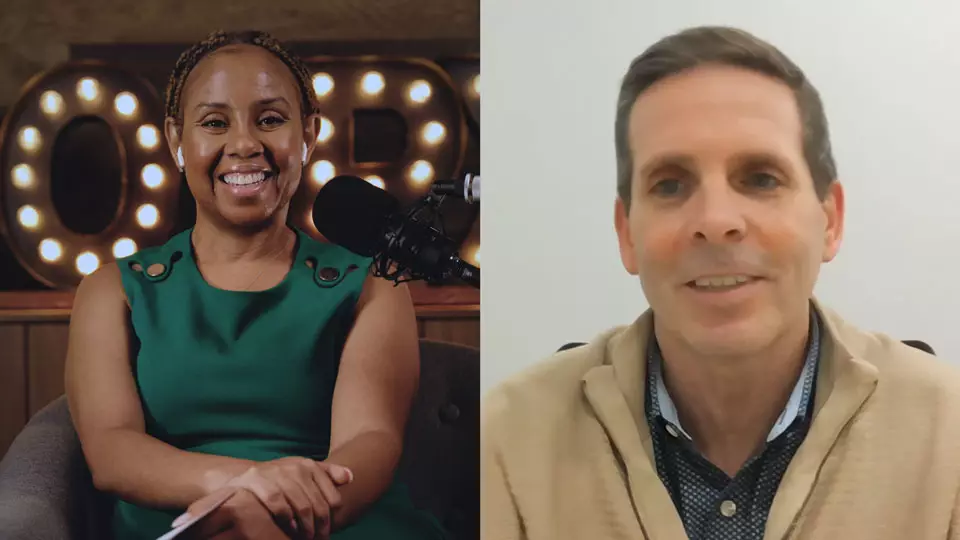
## About the Degrees of Success™ Podcast

The Degrees of Success podcast by University of Phoenix brings you inspiring stories of UOPX alumni who have transformed their careers through education. Each episode highlights personal journeys of overcoming obstacles, achieving professional milestones and using education to unlock new opportunities. Whether you’re looking for motivation, career advice or guidance on how education can propel you forward, these alumni stories offer invaluable insights to help you succeed.

## Listen to the Degrees of Success™ Podcast

[Back to all episodes](https://www.phoenix.edu/blog/alumni-chronicles/podcast.html)[Back to Blog](/blog.html)