844-937-8679
 Login
Login


Online education degrees
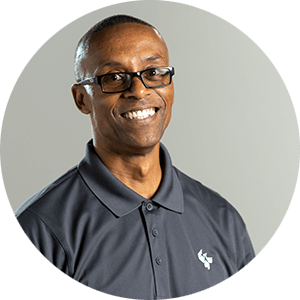
Apryl S. | MAEd/Cl
Online education degrees prepare students for teaching and education careers, covering teacher preparation, educational leadership and curriculum development. Choose from 15+ programs, which may include on-ground components. Learn from professionals who average 29+ years of experience and are leaders in their fields.
Apryl S. | MAEd/Cl
- 102K+ degrees and certificates awarded |
- Institutionally accredited for 45+ years |
- Faculty include 190+ principals and teachers
Online education degrees prepare students for teaching and education careers, covering teacher preparation, educational leadership and curriculum development. Choose from 15+ programs, which may include on-ground components. Learn from professionals who average 29+ years of experience and are leaders in their fields.
Facts at a glance
- 102K+ degrees and certificates awarded
- Institutionally accredited for 45+ years
- Faculty include 190+ principals and teachers
Find your online education degree program

Why earn your education degree with us?
Balance it all by taking one course at a time. Learn from instructors who average 28+ years of professional experience. And get support from our program support specialist that can help you navigate teacher or principal licensure and credentialing requirements.
Learn more about the online bachelor's, master's and doctoral degrees in education at University of Phoenix.

Save time and money
You’ll have opportunities to apply to have transfer eligible credits from a prior institution, potentially shortening your time to completion and saving you money.

Affordable, fixed tuition
We’ve lowered tuition and locked it in for the duration of your online education degree program. So, you can count on your tuition to be as dependable as your education.

Get the support you need
As a College of Education student, you’ll have access to resources that explain professional expectations, clinical experiences, clinical practice, internships, edTPA and much more.
Earn career-relevant skills in weeks – not years
Get value from your education before you even graduate. Update your professional profile with learned skills when you complete every 5- or 6-week course in our associate, bachelor's and master's programs.

Meet your college deans
Our college deans focus on developing a career-relevant curriculum. They bring industry experience to the classroom and lead a faculty of academic professionals with one goal in mind—to help you earn the skills you need to pursue your career.

Pamela Roggeman, EdD
Dean, College of Education

Ashley Bartley, MAEd
Associate Dean, College of Education

Lisa Ghormley, MEd
Associate Dean, College of Education
How to apply
We're with you every step of the way
Set your goals
Select your education degree, course or certificate.
Begin online application
Complete your application on your own or with the help of an enrollment representative.
Start school
Register for class and get ready for the first day of school.

Frequently asked questions
Yes, we have several online education degrees that lead to teacher licensure. Our licensure programs are robust and require field work in a school setting starting early with key coursework and continuing throughout. Our programs conclude with a clinical placement where student teaching is completed.
We offer three degrees designed to prepare you to become an elementary school teacher. If you haven’t already earned a bachelor’s degree, we offer the Bachelor of Science/Elementary Teacher Education and Bachelor of Science in Liberal Studies (California students only). If you already have a bachelor’s degree in a field outside of education, you can enroll in our Master of Arts in Education/Elementary Teacher Education program.
In addition to our institutional accreditation, select education degree programs leading to licensure have specific state or programmatic accreditation. See all accreditations.
A master’s degree may help prepare you for leadership opportunities in your school. Gain skills to shape curriculum with our Master of Arts in Education/Curriculum and Instruction. Or prepare for principal licensure with our Master of Arts in Education/Administration and Supervision.
Our Doctor of Education prepares you to use analytical, critical, and innovative thinking to improve performance and solve complex problems in education (this program does not lead to any educational licensure or certification).
Requirements for teacher and Principal licensure vary by state. View your specific state’s teacher licensure requirements and principal licensure requirements


*While widely available, not all programs are available to residents of all states. Please check with a University Enrollment Representative.