


 844-937-8679
 Login
Login


What can you do with a DNP degree?


A doctoral nursing degree is the highest level of education in the nursing profession. This terminal degree prepares nurses for advanced leadership roles beyond patient care.
Types of DNP degrees
A practice-focused doctorate, the Doctor of Nursing Practice (DNP) prepares nurses for advanced nursing leadership roles to improve population healthcare delivery and outcomes. The program focuses on population health through the lens of aggregate, systems, or organizational level practice employing advocacy, leadership strategies, scientific evidence, and innovations.
These nurses, who may liaise with healthcare executives and academic leaders, contribute nursing expertise that helps move healthcare forward.
PhD vs. DNP
A PhD in nursing* is academically focused and research-intensive while a DNP emphasizes applied leadership in healthcare or academic settings. DNP graduates use evidence-based research to implement practice changes and improve systems of care rather than conducting original research.
Nurses with a DNP are also prepared to teach nursing at the collegiate level.
Career-relevant skills gained in a DNP nursing program
A DNP degree prepares nurse leaders to drive change across diverse healthcare settings. Through coursework focused on organizational and systems leadership, nurses may develop skills relating to systems transformation, performance improvement and quality improvement.
Depending on the program, it may cultivate essential skills, including:
- How to apply population health concepts to improve community health outcomes
- How to understand healthcare economics, policy and regulation
- How to implement evidence-based practice changes at the organizational level
Potential career paths
Beyond the clinical setting, nurses with a DNP can learn career-relevant skills they can deploy in leadership and academic roles to drive broader organizational change. Below are potential nonclinical career paths for doctorate-prepared nurses.
Nurse manager
Nurse managers oversee nursing units and collaborate with clinical staff and healthcare administrators to achieve organizational goals. While most employers prefer nurse managers to hold a master’s degree, a DNP may provide enhanced skills and experience.
Their advanced knowledge of healthcare operations, quality improvement and leadership principles prepares them to be effective leaders within healthcare organizations.
Clinical nurse instructor
Clinical nurse instructors typically teach patient care in clinical settings and academic institutions. Some instructors may also participate in ongoing research. To become a clinical nurse instructor, applicants typically require a master’s degree, although some may require a DNP. They also need extensive on-the-job experience in nursing.
Doctorate-prepared educators are qualified to teach nursing students at all levels, from associate degree programs through doctoral education. This role offers a blend of maintaining clinical expertise while shaping the next generation of nurses. Clinical nurse instructors may work in nursing schools, universities and clinical training sites.
Health information management director
Health information managers ensure patient data is handled securely and in compliance with privacy regulations. In today’s rapidly evolving healthcare technology landscape, patient privacy in medical records and health information systems is more important than ever.
A health information management director oversees departmental staff and initiatives related to data security. Prepared nurses with a doctorate in nursing (DNP) are well suited for this leadership role, particularly those with backgrounds in healthcare technology integration and data systems.
Nurse educator
Nurse educators develop and deliver educational programs for healthcare staff and communities. They may also teach in higher education. In clinical settings, these professionals keep nurses current on practice updates, evidence-based research findings and compliance requirements.
Nurse educators may also work in public health departments and nonprofit organizations, where they provide community education initiatives to promote public health. This versatility allows DNP graduates to impact healthcare both within and beyond hospital settings.
Finding a career path that fits your goals
When deciding on a practice-based career path, candidates should consider their personal strengths and goals for their nursing career.
Nursing organizations like the American Organization for Nursing Leadership and the American Nurses Association can be valuable resources for seeking mentors and building professional connections. Some nursing organizations offer formal mentorship programs, networking events and resources where prospective students can hear about firsthand experiences.
Nurses may also consider engaging in informational interviews with professional connections to begin networking and learning about potential opportunities. These conversations can provide authentic insight into day-to-day responsibilities, career trajectories and potential challenges for a given path.
Candidates should reflect on their preferences for each career path, including:
Career environment: Some nurses prefer working with large health systems or community-based settings, while others thrive in an academic environment.
Leadership qualities: If decision-making, strategic planning and financial acumen come naturally to you, the leadership route might be a fit. Leaders should also enjoy mentoring other nurses.
Are you ready to learn more about DNP programs?
A DNP can help nurses become changemakers in healthcare. University of Phoenix offers online nursing degrees, including a Doctor of Nursing Practice for nurses with an RN license. For specific program requirements and further information, reach out to a UOPX representative and visit University of Phoenix.
*UOPX does not offer a PhD in nursing.


ABOUT THE AUTHOR
Alexa Davidson, MSN, RN, brings over 10 years of specialized experience in neonatal and pediatric cardiac intensive care to her current role as a nurse educator. With a Master's in Nursing Education, she combines clinical expertise with a passion for preparing future nurses to thrive in today's healthcare environment.
As a published nurse writer, Alexa bridges the gap between healthcare and technology while leveraging digital platforms to enhance nursing professional development and reduce new graduate turnover rates.
ABOUT THE REVIEWER
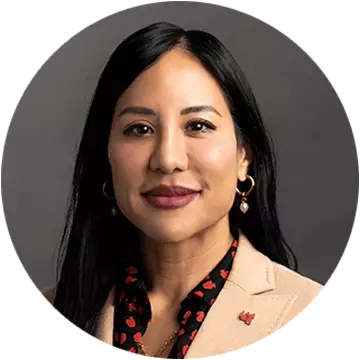
Dr. Raelene Brooks, dean of the College of Nursing, has been a registered nurse for more than 25 years and practiced extensively in the areas of ICU, trauma and critical care. Her publications include a focus on nursing education, critical care, and organizational wellness and engagement. She is a leader in creating, guiding and launching innovative curriculum.

This article has been vetted by University of Phoenix's editorial advisory committee.
Read more about our editorial process.
FREE Healthcare Programs Guide
Explore our healthcare degrees and certificates - 100% of our programs are aligned to career-relevant skills.
You’re making moves!
This guide is loaded with answers. Download it now or get it from your inbox. Questions? We’re just a call or click away.
Get your free healthcare programs guide. Please enter your first and last name.
You’re making moves!
This guide is loaded with answers. Download it now or get it from your inbox. Questions? We’re just a call or click away.