


 844-937-8679
 Login
Login


From intern to leader with UOPX alumna Shantavia Webb

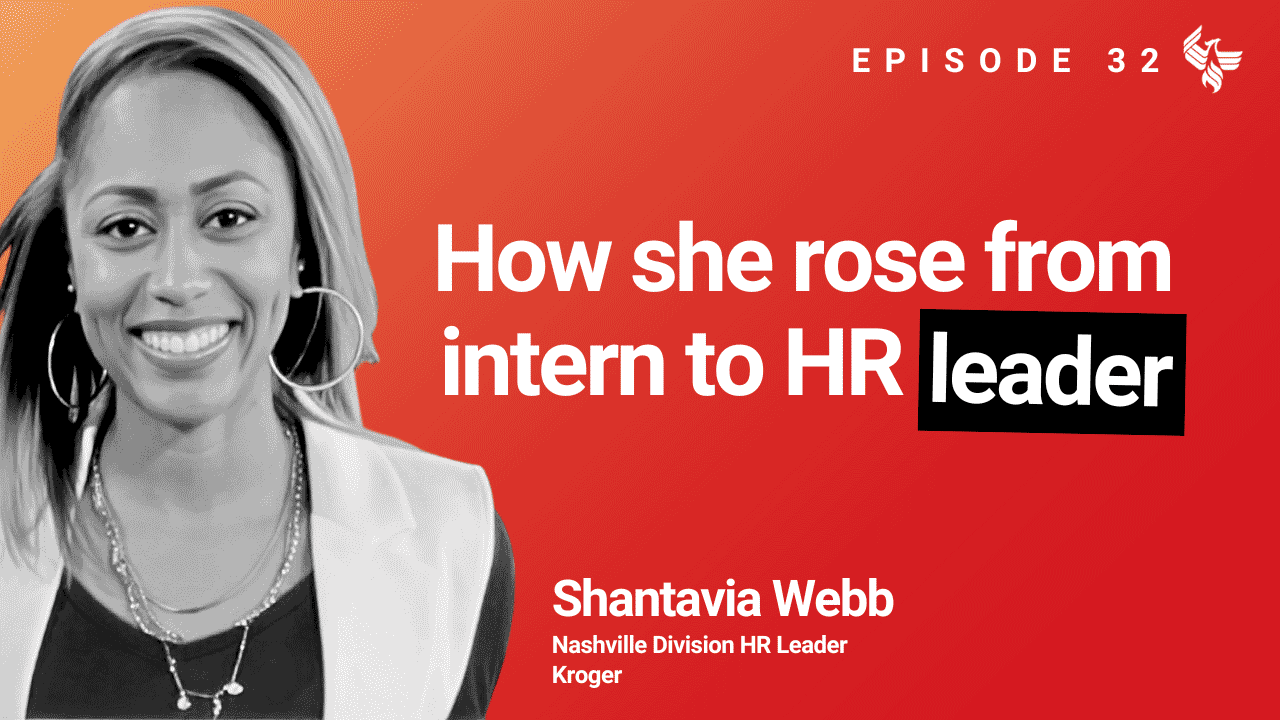
Listen to the podcast episode featuring UOPX alumna Shantavia Webb
Navigating Career Growth and Mentorship with Shantavia Webb
University of Phoenix alumna Shantavia Webb is a 2015 MBA graduate. In this episode of the Degrees of Success podcast, she talks about her journey from being an intern for Kroger to leading its Nashville division human resources team.
0:00
My journey has been shaped with, I'll say a lot of insecurity that I didn't really go into detail with.
0:05
So as I show up and I'm appearing as this, you know, leader that has it all together, like just know that if you're in this space where you are unsure, you are insecure, like I was
0:16
that person, I am that person today, right? So it's- Me too.
0:22
It's feeling that way, understanding that it's okay to feel that way, but then also learning how to push through and overcome.
0:29
um My journey is one of a lot of overcoming, know, dealing with the challenges, um kind of reassessing, looking myself in the mirror and saying, you know what, get it together,
0:41
girl, because we're going to do this.
0:54
Hello and welcome to the Degrees of Success podcast. I'm your host, Freda Richards. And today we have an incredible guest, Ms.
1:02
Shantavia Webb. Ms. Shantavia, please introduce yourself and let us know who you are and what your mission is more about.
1:09
Thank you, Freda So my name is Shantavia Webb. I am the National Division Human Resources Leader for Kroger and have been for the last four years of my 22 years with the company.
1:21
So really excited to be here and talk to you today, but very passionate about just being able to share my story and hopefully inspire others to, you know, go after that little
1:31
dream that you have in order to whether it's grow your career or personal professional. professional, but really it's about just sharing stories and getting little tidbits of information from that or inspiration.
1:41
Well, you're definitely an inspiration because I know the YMCA just honored you in 2024.
The Journey from Intern to HR Leader
1:48
I know that you've been honored with Rising Star Award as well. So clearly you have a lot of stories in which you've led people and encouraged them to do better.
1:59
I want to start with your career at Kroger from an intern to where you are now.
2:05
Tell me about that journey. Yeah, so for Kroger, I actually didn't know I would be in the grocery retail business.
2:12
I was in an organization called Inroads in high school, and they set us up on multiple interviews to get summer internships.
2:20
And so Inroads is an organization that places talented minority youth in business and industry. And one of those companies I interviewed with was Kroger.
2:27
And so I interviewed, they gave me an opportunity to be an intern, and that internship has now lasted
2:35
Wow. And at Kroger, we always talk about come for a job, stay for a career. And that was absolutely what I did at Kroger.
2:42
Because if you were to ask me, you know, back then, if I would be here 22 years later, I'd probably tell you no.
2:48
I'd probably go on and say I was doing something else. But, you know, I really fell in love with the company, but then also with the people within the company is really what made me stay.
2:59
that's This is from high school. So you've gone through your educational journey, all while being employed by Kroger.
3:07
So I was in college, was the summer before my sophomore year of college is when I started with Kroger. So started at 19 years old and graduated from college and became an assistant store leader because I went through their management training program at that same time.
3:23
um And then just kind of grew from there, assistant store leader. Then I became a store leader and then I eventually um transitioned into HR and I've just been able to do several positions within HR under the Kroger umbrella.
3:37
It's one of those situations where when you get with a company that offers so many opportunities to people, it feels like I start a new career probably every two and a half
3:46
to three years, but it's all under the Kroger umbrella, which, you know, when you tell somebody you've been with anything 22 years or like, really?
3:53
Like you've stayed with a company, but I mean, I feel like it hasn't been that long because I've just always been able to do something different.
4:00
Like again, every two and a half, three. This is probably the longest I think I've been in the position as a division HR leader and at four years in this particular role.
4:10
So you had to have had a mentor or two or three, I mean, 22 years uh at Kroger that's come alongside you to encourage you because I'm sure that from an intern to uh managing a store
4:23
to now HR, there had to be someone who came and believed in you and pushed you further.
4:29
Absolutely. uh I will say I had several mentors and I think every mentor comes at a specific stage of my career.
4:36
And there has been some that have been some that have actually transitioned through multiple stages of my career. So as I think about an intern, one of my uh mentors at that point, she actually was an intern with Inroads as well and also worked for Kroger.
4:51
So when I started as an intern at Kroger, they were like, she's also a former Inroads intern and she works at Kroger.
4:57
So you have to meet her. At the time, think she was in advertising, but I got in touch with her, stayed in touch with her.
5:04
And to this day, I know I can still call her and get advice because she's currently a vice president of operations at Kroger still too.
5:12
So I love her. She's one of many. um I've had um former executives, former district managers, but then I also have current directors of HR who are mentors of mine.
The Importance of Mentorship
5:25
You know, people when I was an assistant store leader that were store leaders that helped me along my way. So I can't probably get into naming so many people because I know I'm gonna forget somebody.
5:34
But to say I've had mentors is an understatement because I think I probably had at least one or two, probably every phase of my career that have just not only given me business
5:47
advice, but even, you know, personal advice, maybe more, you know.
5:53
around strategic advice, thinking about being a woman of color in business, being able to give me some advice on how to handle, you know, various situations or navigate certain,
6:04
you know, rooms of the organization. They've been able to give me all of that insight. So I'm very fortunate because everyone can't say that they've had so many people pour into their career.
6:15
And I've been able to say that. Well, you also pass it on because you are also very passionate about teaching and guiding those only not only in your organization, um obviously in your community as well, but
6:29
specifically the black community and wanting to encourage black leadership.
6:34
Give us a breath of what that looks As a division HR leader, I always approach my role from the lens of, you know, how can I make the organization better?
6:46
In my opinion, the way to make the organization better is to make sure that we consistently reflect the communities that we serve.
6:53
And so some of the ways that I do that m in this role, both inside or program out, is I try to be engaged in not only, you know, identifying
7:04
you know, leaders internally to help grow their careers, but also being engaged in community organizations outside of Kroger.
7:12
So I'm able to, you know, participate and engage in leaders through that lens. But then also I have um many, you know, acquaintances and friends who have organizations outside that truly do focus on um building up and helping to grow in.
7:31
um really drive the purpose of the benefits that people of color bring to any room that we're in.
7:39
So um I've participated in panels and done some speeches and things like that outside of Kroger just to talk about what that looks like for me personally.
7:48
So I think that's really, you know, what I try to do each and every day is to show up as somebody so they can see me and see themselves in me.
7:57
But then also, You know, my drive is to be successful so that when someone has an opportunity to bring on a person that looks like me, if I can be a reference of how that would work for their
8:09
advantage, like I've done, you know, another little thing to help me, you know, not just the organization, the industry, and hopefully more in a direction that, you know, I'd be
8:21
proud to be a part of. Where did you learn these things? I know that you have an MBA from University of Phoenix, but I would love to talk about your educational journey.
8:31
Tell me about when you got your BA and how you made it to University of Phoenix. Okay, so I actually got my undergraduate degree at the University of, I would say Middle Tennessee State University here in, well it's Murfreesboro, Tennessee, but I'm from
8:48
Tennessee. I didn't go far. I just went to MTSU. Shout out my Blue Raiders. um So part of it was that.
8:56
And I always like to say, I have a mom who always said an idle mind is a devil's playground.
9:03
So she kept me involved. and so much. And when you think about preparation, at least for me, like I'm the person that's trying to think of everything that we could potentially need at every part of our vacation.
Education and Its Role in Career Growth
9:18
If it's going to the store, like I'm always thinking, okay, what could I need? Like I want to be prepared.
9:25
that's part of it. um In high school, I was in youth about business.
9:30
And on top of the organization I mentioned earlier, we got my internship, which was inroads. So these were Saturdays going in and learning about, you know, what it means to be a leader in business.
9:42
Finding things. I learned things at that time about how to dress professionally. did public speaking.
9:49
We I went to a business camp. So my husband makes fun of me about that, too. He's like, you're not the only person I know that went to a business camp.
9:55
I was like, I did. I went to church and I went to a business camp. I was our mock company.
10:00
was operating officer at business camp and I was proud of that. So those things I think is taking the things that I learned and being able to apply them at different levels of my journey.
10:14
Again, high school tidbits about business and applying them in formats or in ways that didn't really impact.
10:26
anything at a larger scale, right? But I was able to practice those skills. then going into college, I was in a business fraternity.
10:32
So in addition to being a Delta and pledging Delta in college, I was in Alpha Kappa Psi professional business fraternity.
10:38
So again, taking on some of those responsibilities and being in rooms where we know we acted or not acted, but really, you know, we're able to again, um take the things that
10:49
we've learned and apply them in in spaces that we could, you know,
10:54
fail if we needed to, but then learn along the way. Right. And being on top of that, having my internship with Kroger.
11:02
So it was just like, you know, to make a long story short, where I learned it is a little bit of everywhere, but gradual over time with a lot of practice and a lot of small roles
11:13
that probably led me to, which is probably now my greatest responsibility being a division HR leader at Kroger.
11:21
Absolutely, absolutely. Now when you received your MBA, had you already started your greatest adventure?
11:29
No, I did not. So, so I'll tell you this, my MBA took a lot longer than it should have.
11:38
And the reason why is because I am somebody likes to give 100 % to everything that I do.
11:44
And so I was working full time the entire time I was pursuing my MBA.
11:49
So I would started and then I get so entrenched in work that I'd stop and then I pick it up later.
11:56
I get a little more done and then I stop. And so I probably started it as a store leader.
12:03
So I was, you know, managed a store for Kroger for a few years. um Did it, you know, was there staying, working long hours, you know, trying to put a thousand percent into something, making sure that we ever get the results.
12:16
So stopped, picked it up again when I moved to Kentucky as a district HR leader.
12:25
Did that for some time. And then I finished it. Still at Louisville, but I was in more of a special assignment position where I had more of a structured work schedule because research management, you're working weekends, you're
12:38
working holidays, you're working nights, you're doing all the things. And it's as much flexibility as the university fees provided me.
12:44
I think it was more me personally wanting to make sure that I was able to invest the time in both spaces that I needed to be successful.
12:52
So by the time I finished it in 2015 is when I finished my MBA. Like I said, been a few years of, you know, pursuing it, but delayed, not denied.
The Value of Higher Education in Today's Job Market
13:02
And so it was done. uh Yes, I love that you said that. Delayed but not denied.
13:09
So what was the totality of time? How long did it take? Um, I say we probably took four years to get that degree ultimately.
13:20
Um, but it sounds like. You just wanted to give it 100%. I did.
13:25
And so, you know, it's never a situation where I stopped because like my grades slip. It's like before I felt like they would have like, okay, let me just take a pause and then pick it up when I when I have I feel like I can dedicate more time to giving it what I
13:39
need to get. And I actually during that process did a couple different formats, too. So I started doing 100 % virtual.
13:46
And then by the time I finished it, I was doing kind of a hybrid going to um a campus in Louisville, Kentucky.
13:53
and then doing something virtual. So it's kind of got the full experience.
13:58
The full realm of it all. As an HR professional, would you suggest education, higher education in this environment?
14:06
Yeah, I mean, it's funny, I've had this conversation with um my sister-in-law, because she too also got her degree from the University of Phoenix.
14:16
so she and I, we have that conversation. so my answer is a little bit twofold.
14:23
I said, you have to know going into it what you want to get out of pursuing higher education, depending on the company.
14:33
that you intend to work for depending on the position that you are aiming to achieve one day.
14:39
It may or may not be for you, but I do think that um if you go into the experience understanding what you want to get out of it, um I think that has to be what dictates
14:51
whether or not it's necessary. For me, I've told this story to people within Kroger, so it's not a surprise, but I remember being an intern and telling um someone who wasn't an
Authenticity in Leadership
15:03
higher position at the time that I wanted to pursue my MBA at some point.
15:08
And I remember him looking at me and saying, why you don't need it to get promoted at Kroger.
15:13
And so it was a little bit discouraging then, but the more I thought about it, was like, you know what, if I'm going to get it, it's not for Kroger, it's for me.
15:23
And so I think that's the mentality you have to have because oh obviously today more people have MBAs than
15:32
you know, 20 years ago when I started with Kroger, right? Right. So it's a little bit more common than it was back then.
15:39
But even still, you know, since I've been at Kroger, no one's ever really asked me, you know, for my masters or said it was, you know, a condition of employment for me to get
15:50
promoted. But I do think that that experience for me helped to shake some of my strategic thought that has prepared me for positions such as the one I'm in today.
16:01
So again, I to make a long story short, I think the decision on whether or not it's necessary is personal.
16:09
I don't think that anybody can tell you if it's necessary, unless it's something specific that is um about a specific job that you're pursuing.
16:19
So you think about the job if it's necessary, but outside of that, it's it's a personal decision whether or not it's necessary.
16:26
And I think that if you feel like it's necessary, then it's necessary. So you should absolutely pursue that.
16:32
education and don't anybody discourage you against it if it's something that you feel like would make you ultimately better personally.
16:39
I actually had a conversation with one of my team members earlier today and she had called me to tell me that she just finished her SHRM test and she was excited and told me like
16:49
how she scored and she was like the more I studied for that the more I realized that that's why you do what you do.
16:56
She's talking about me. That's why you do what you do. And I was like, well, I'm glad you saw that. But it's not like I'm thinking about, let me do this by the book.
17:04
Or it's just naturally how I lead and how I show up is a direct reflection of just who I am as a person.
17:12
And that's one of the things I think that I've learned the most in my 22 years is the more I lean into who I am authentically and not trying to be the, you know.
17:26
stereotypical what I think a leader should be, the more people relate to me, the more people, you know, are willing to work over and above for me, the more people respect me as
Navigating Job Applications and Interviews
17:37
a leader because people are smart. People can tell when you're putting on airs and they can tell when you are trying to be somebody and you're not.
17:45
So that's just always been my goal as a leader is to, you know, show up authentically and give people the space to feel like they can show up the same way.
17:54
Um, and that's, I feel like has been, I'll say the special sauce of my personal leadership journey is giving people the space to be themselves.
18:04
But then, you know, sharing enough of me because I have an HR lens too.
18:12
sharing enough of I am where it doesn't cross any, you know, personal, professional kind of boundaries, but sharing enough to where they know that I'm genuine and that I do truly
18:22
care about them. both inside and outside of Kroger. AI, AI uh in resumes.
18:30
How are you all dealing with that? you absolutely can use AI to create the most dynamic resume you could have ever imagined.
18:39
And while that's finding good and you people may or may not be able to tell, always tell people that one, you have to be able to back up everything that's on your resume.
18:51
Because even if you get your foot in the door, it's going to be a short dream.
18:56
You will get in and very quickly be removed if you are unable to.
19:01
back up all the wonderful things that AI has put in the resume for you, right? So that's first thing.
19:07
When I think about what we call internal talent, and so talent that currently works for Kroger, but are trying to get that next promotion.
19:17
The thing that anybody who works for me hears me say is every day is an interview. And it's something that was told to me by a former district manager when he promoted me to store leader as, uh
19:30
At the time I was in ASL, I interviewed for the store leader position. I tell people he fell asleep in my interview, but I got the job.
19:40
When I questioned him, I'm like, I'm pretty sure he went to sleep in my interview. So, you know, can I ask why me is really what it was.
19:47
It was like, why me? Why did I get this over with anybody else you could have interviewed? And I felt like I bored you to death.
19:54
And the thing he came back to me with is did it ever occur to you that every day is an interview?
19:59
So while this is a moment in time and you can put your best foot forward or not put your best foot forward, I've had the opportunity to see you in the store, on the sales floor,
20:09
engaging with people in real time. It's already new what you were capable of before you stepped foot in this formal interview session.
20:16
So it just blew my mind and I tell everybody that today because you have people who put all this work into the resume and they study up for the interview.
20:27
And they think that it's a shoe in because of that one moment in time. But then forget that being someone who was already in the company, we have full visibility to how they show up each and every day.
20:38
And if the two don't match, it's still not going to get you the next position that you're wanting.
20:43
So consistency is always key. And people just make sure that again, make sure that you're going to put the effort in, put it, put the effort in every day.
20:54
Every time. And then that's what makes you get the interview. So it's a little bit trickier when you have um external talent or people come into the organization or trying to come into the organization from other companies because we don't
21:06
have that same kind of firsthand visibility to how they show up every day. we're relying on how they interview and how they resume looks.
21:14
But those are the situations, like I said, that it's usually pretty quick. Once they get in, you can kind of tell that it was all errors.
21:20
And a lot of times they find themselves out themselves.
Key Takeaways for Job Seekers
21:26
My goodness. And is that something that HR is looking for, maybe like in the first few months?
21:31
there like a, like they've got a month or two to kind of see if they align with this job or is it just if they fail to do so?
21:39
Yeah, so I don't know if it's something that we, would say, look for more so than when someone finally does get into the position that they interviewed for.
21:48
uh general observation, you can kind of tell when people are struggling to make the transition uh more than others.
21:57
And if, you know, their resumes that they've managed, you know, 10 stores and achieve all these sales results, and they're really great with people.
22:04
then the first month, you know, my office is getting a lot of calls that they are not. very positive leader that, you know, they're not doing simple leadership tasks, you know, communicating what's going on in the store, following up or recognizing their, you know,
22:18
associates in the store or, you know, the little things that just always say it's kind of like,
22:26
making a resume looks good for an interview, that's just a thin layer of oil.
22:32
And soon as you get in the water, all that oil is going to rise, it's going to separate. And so it's going to be very easy to see that that wasn't who you are.
22:42
so again, I think that's so good to realize that. then they make the decision to leave or, you know, from a performance management standpoint, that's kind of direction we would end up going.
22:52
If we were to tell our viewers and listeners the top five things from an HR professional that you think that they should know before an interview or applying for a job, what would
23:02
that be? know what job you are applying for is the first one.
23:09
You'd be surprised how many people like are asking questions about, what is this job again?
23:16
Like, I need you to know that when you apply for the position. So know what job you're applying for and do your research about that job.
23:26
So you come prepared to speak to whether it be the technical needs of the job or the professional needs of the job.
23:35
So just it's a better preparation. The second thing I would say is um if it's an in-person interview, be early.
23:47
I mean, it's a very bad first impression if the interviewer is waiting on you to show up to do the interview.
23:54
um If it's virtual, likewise, making sure that you are
23:59
online and ready when the interview is scheduled to start. So how early is early?
24:05
Um, it doesn't have to be like, especially for virtual. doesn't have to be like 30 minutes, 15 minutes, honestly.
24:11
It's just like at least a couple minutes, but you know, I've had experiences where, you know, the interview starts at 10 now it's 10:05 It's, and I'm like, okay, they're, they're
24:22
not here. And then they'll pop up like, Hey, sorry, I'm late. Like, okay, well now that's less time for me to talk to you because I may also have another one right after.
24:31
So that, that would be the second one, you know, be early or at a minimum be right on time, but definitely not be late.
24:41
So first one, no job you're applying for. Second one, if you're interviewing, be at least on time, if not a little bit early.
24:50
um The third one is to be, I say to be you, but the professional version of you.
24:58
So again, during the interview, we wanna get to know who you are. We want to know not only can you do the job, but are you a good fit for our company?
25:08
Are you a good fit for our culture? So in order to get that assessment of you, we have to understand or get to meet the true you, right?
25:17
But that doesn't mean take down your professional, you know, I guess exterior, you want to be the professional version of you.
25:25
And I don't want to get into an interview and you're like, Hey girl, what's going on? I know you want me to be me now.
25:31
my. So just be you but be the professional version of you.
25:37
Yes. I say this, I'm on the fourth one, image matters.
25:43
And when I say image matters, it's not just the physical image because I'm someone who very much so feels like you are a reflection of the company.
25:54
So if we choose to hire you, what reflection are you going to give to others about Kroger?
26:01
You know, are they going to see someone who is, you know, perceived as unprofessional, know, unkept?
26:10
Like, I just want to make sure that you are going to positively reflect the organization in whatever position that we hire you for.
26:16
And that goes all the way from our baggers to our executives. Like, how are you going to represent the organization?
26:22
So image matters when you show up to an interview, making sure that, you know, you're
26:27
groomed your dress for the job that you are applying for. So if we are in for managerial position, I would expect you to show up to the interview dressed like a manager.
26:37
I have had those situations where we're interviewing for managerial positions and they show up in jeans and a t-shirt.
26:44
And that's, that's definitely a situation where I'm going to like, okay, I respectfully decline this one because you know,
Final Thoughts and Personal Reflections
26:56
That's a middle of what I would expect a leader to think about is making sure that I'm showing up in a professional manner.
27:03
um So if I had to pick a fifth thing that I would advise as an HR leader, um would say, I would say be open to what your career could look like.
27:18
Some people get very regimented about, know, in order to get here, I got to do these steps and this timeline.
27:25
And I always say when you do that, you potentially miss out on experiences or opportunities that could better shape you for other roles that are created currently or
27:35
could be created later. And you just don't know it yet. Right. And so that's really kind of the thing that I try to tell anybody that I talk to about career opportunities.
27:46
And that's obviously a common conversation that I have with people like, what do you want to do with Kroger? You know, tell me about what your interests are.
27:53
And a lot of times they'll say either I don't know. And I say, that's OK. I don't either. Right. Because my next job may not be created yet.
28:00
very, I like to say that a lot because there's been several jobs that I've had that were never on my radar when I first started.
28:07
Right. And if I only had my mind set on this job and I need to do this job, I would have missed those opportunities.
28:14
So always tell people, like, it's OK if you don't know. But I would challenge or encourage you to just start to get a feel of what part of the company
28:24
um really energizes you. What part of what you do today, you know, really makes you get excited about coming into work.
28:33
It's never going to be all aspects of every job that excites you, you know, as an HR leader, you alluded to, I get all versions of what could be happening in someone's life.
28:42
I get everything from, you know, births and promotions to sickness and death. I get all of it.
28:48
um But there's parts of the job that absolutely inspire me.
28:54
And those are the things that I try to keep kind of top of mind. So when I'm looking for the next opportunity, it's like, how much more influence will I be able to have in this part of the job that I absolutely love?
29:06
And that's the job online. So that's what I would say is like, don't narrow your focus on what your career could look like because it could look completely different, but that could also be better than what
29:17
you even imagined your career to be. I would say those are my five HR tips.
29:24
sure that before we end today that you share with our listeners and viewers, what would that be?
29:30
Um, if I had to say one thing that I want the listeners to take away from this podcast specifically, a little bit of my journey is just that, um, my journey has been shaped
29:40
with, I'll say a lot of insecurity that I didn't really go into detail with.
29:46
So as I show up and I'm appearing as this, you know, leader that has it all together, like just know that if you're in this space where you are unsure, you are insecure, like I was
29:56
that person. I am that person today. Right. So it's. Me too.
30:02
It's feeling that way, understanding that it's okay to feel that way, but then also learning how to push through and overcome.
30:09
So uh my journey is one of a lot of overcoming, know, dealing with the challenges, kind of reassessing, looking myself in the mirror and saying, you know what, get it together,
30:21
girl, because we're going to do this. Somehow that brings us to the end of this episode of the Degrees of Success podcast.
30:27
We are so grateful that you joined us. And so thank you so much for your knowledge about leadership and HR.
30:34
I'm your host, Freda Richards, reminding you that your next chapter just might be your best yet.
30:39
See you soon.
Chapters in this video
- Overcoming Insecurity and Embracing Leadership
- The Journey from Intern to HR Leader
- The Importance of Mentorship
- Education and Its Role in Career Growth
- The Value of Higher Education in Today's Job Market
- Authenticity in Leadership
- Navigating Job Applications and Interviews
- Key Takeaways for Job Seekers
- Final Thoughts and Personal Reflections
About UOPX alumna Shantavia Webb

Alumna Shantavia Webb joined national retailer Kroger in 2003 as a management intern. From there, she progressed through the ranks, serving as an assistant store manager and store manager, then moving into various human resources roles. She was named Nashville Division HR Leader for Kroger in 2021.
About the Degrees of Success® Podcast
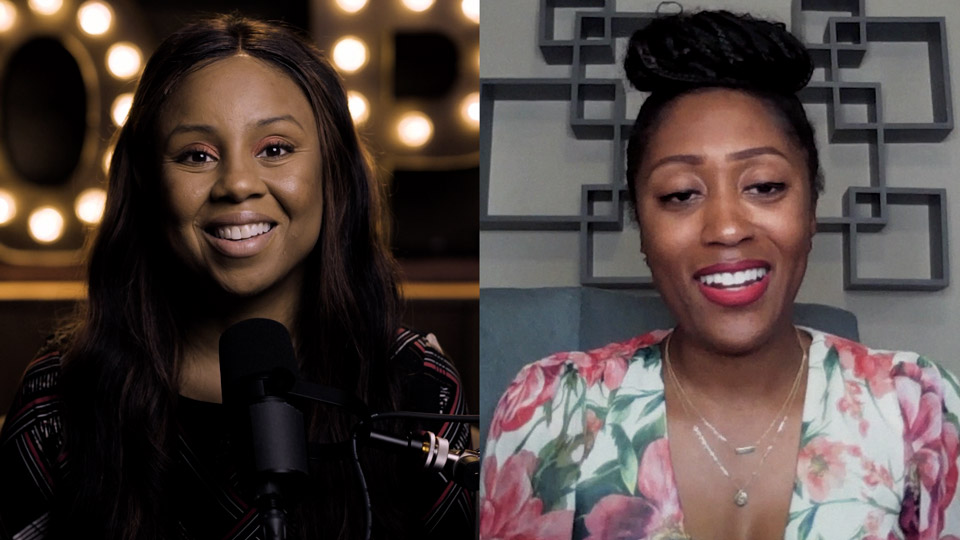
The Degrees of Success® podcast by University of Phoenix brings you inspiring stories of UOPX alumni who have transformed their careers through education. Each episode highlights personal journeys of overcoming obstacles, achieving professional milestones and using education to unlock new opportunities. Whether you’re looking for motivation, career advice or guidance on how education can propel you forward, these alumni stories offer invaluable insights to help you succeed.
Listen to the Degrees of Success® Podcast


