


 844-937-8679
 Login
Login


Continuing education for teachers requirements

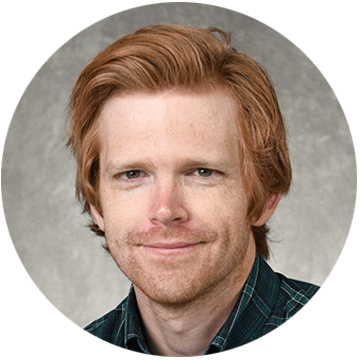
Written by William Ordeman

Reviewed by Jessica Roper, MBA

Teachers make up a significant portion of the U.S. workforce: K–12 teachers at both public and private institutions constitute about 3.8 million workers in the U.S. While nearly all teachers are required to have a bachelor’s degree, degree programs can vary, and continuing education for teachers for additional certifications and licenses are often required.
Teaching challenges, requirements and continuing education for teachers
But what continuing education for teachers for certifications and endorsements is typically required? It depends on the state.
In the past few years, many states have either temporarily or permanently altered their requirements to make it easier for those interested in teaching to begin their careers early. This comes, no doubt, in response to the recent exodus of teachers from the classroom. In 2024, Statistica found 79.000 US teachers quit teaching, and another survey found that 16% plan to leave by the end of the 2024-2025 school year.
To address the high number of vacancies, some states and school districts have been reevaluating their hiring practices and are considering emergency permits to hire a teacher who is not yet certified but is on track to complete a certain number of courses in the next few years. These emergency permits could allow teachers to begin their careers sooner rather than later.
Different states, different rules for requirements and continuing education for teachers
Every state requires a unique combination of degrees, certifications, in-classroom experience and/or assessments before awarding licensure. However, it’s nearly universal for all teachers to at least hold a bachelor’s degree.
For people interested in teaching, the first place to start researching requirements would be their state’s Department of Education website. States use different language for this. Some call them licenses, others call them certifications, some refer to continuing education for teachers. For most states, the terms are interchangeable. Also, it’s typical that state licenses must be renewed every five years.
New teachers typically have more steps than those who have already received licenses in the past. Before entering a classroom, they may have to:
- Log observation hours
- Intern in a full-time student-teaching role
- Pass various exams about their subjects
- Pass a background check, before entering a class
One important exam is the Praxis® test, which measures teachers’ knowledge of the subjects they intend to teach. According to the National Education Association, exams are pass/fail but provide additional information to the test takers about their performance relative to other aspiring educators who take the same exam.
The Praxis tests are not the only assessments that states use to certify teachers. Some states require teachers to pass separate, state-specific competency exams.
After teachers complete licensure requirements, they can start enrolling in classes to receive additional endorsements.
Most states offer incentives such as weighted compensation to teachers who hold endorsements. These are additional specializations, such as being able to teach bilingual classrooms, becoming a certified ESL teacher or reading specialist.
Considering the way licensure varies from state to state, it’s not surprising that receiving an endorsement is equally individualized. Some states require university credits, while others require assessments, and still others want practicum hours. Teachers seeking endorsements need to review information on their specific state’s requirements.
Becoming a teacher later in a career
For some, the passion for teaching comes later in life. Mid-career professionals decide to switch, maybe even from corporate roles to teaching high school.
Some come from a business background inspired to teach high school pre-business or economics class. Others are experienced IT technicians, electricians or welders looking to become certified teachers in vocational schools. To break into education, aspiring teachers can volunteer as a paraprofessional in their local school district to get a feel for the classroom.
Learn more about continuing education for teachers
Whether someone is just starting out, or is a veteran teacher, most educators subscribe to the notion of continuous, lifelong learning. This is true in the general and practical sense. To achieve state license recertification, teachers need to stay on top of continuing education for teachers.
At University of Phoenix, continuing teacher education (CTE) classes help teachers prepare for recertification (licensure renewal) as well as find professional growth opportunities.
And it’s not just about checking boxes. Participants learn alongside other educators who communicate about their own experiences.
CTE courses for continuing education for teachers at UOPX fall into the following categories:
- Adult education
- CTEL (California teacher for English learners)
- Curriculum and instruction
- Early childhood education
- Educational administration
- Educational technology
- Elementary education
- Secondary education
- Special education
- Teaching strategies
Assignments often require participants to implement teaching strategies in their classrooms, so even seasoned educators can learn a lot. Continuing education for teachers, after all, is all about lifelong learning.
Contact University of Phoenix for more information.
* Praxis is a registered trademark of Educational Testing Service nonprofit corporation, New York Rosedale Road, Princeton, New Jersey.



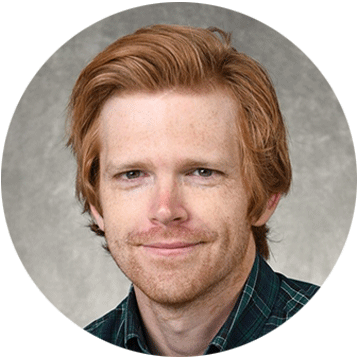
ABOUT THE AUTHOR
William Ordeman is a lecturer of business communication and a PhD candidate studying communication, borders and public health. Before entering higher education, he led marketing initiatives for several global enterprises as a marketing automation specialist. He has since published an edited book, written several articles, and continued to teach writing, public speaking and employment training to his students. When not plugging away at his dissertation, Ordeman is likely playing his drums or reading a sci-fi novel.
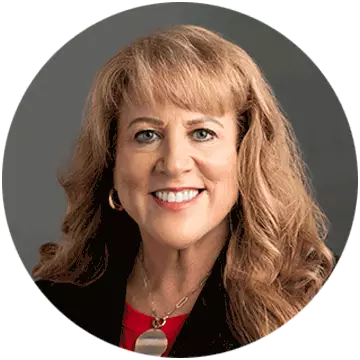
ABOUT THE REVIEWER
As dean of the University of Phoenix College of Education, Pamela Roggeman has spent over a decade in higher education teacher preparation in both the public and private sector. Her experience has included national partnerships that help to advance thought leadership in the field of education. Dr. Roggeman also serves as the President of the Arizona Educational Foundation’s Board of Directors.

This article has been vetted by University of Phoenix's editorial advisory committee.
Read more about our editorial process.