


 844-937-8679
 Login


What is a paraprofessional in education?
Last updated: October 21, 2026

Written by Dillon Price
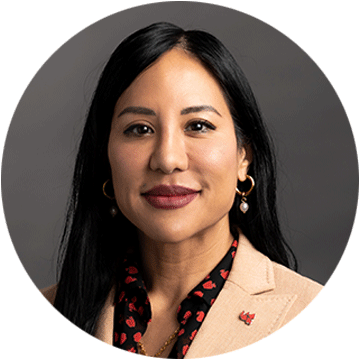
This article was reviewed by Raelene Brooks, Dean, College of Nursing.
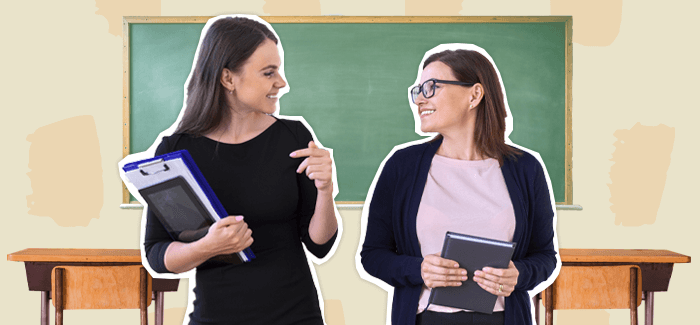
What is a paraprofessional’s role in the classroom? While teachers have the authority to make instructional decisions and are accountable for student learning outcomes, they can’t always do it alone. That’s where paraprofessionals, also known as teacher assistants, come in.
What is a paraprofessional’s role in working with a teacher?
Teachers and paraprofessionals share some professional responsibilities, such as instruction delivery and classroom management. However, these roles also have many differences.
In terms of authority, as licensed professionals, teachers have the authority to make instructional decisions, assess student performance and manage classroom dynamics. Paraprofessionals operate under the supervision of licensed teachers and don’t have the authority to make independent instructional decisions.
Becoming a licensed teacher typically requires a bachelor’s degree in education or a specific subject area, completion of a teacher preparation program, and state certification or licensure. Schools hire paraprofessionals who have at least a high school diploma, an associate degree or a skills assessment certification. However, the more education a paraprofessional has, the more insight, skills and value they can bring to the classroom.
Additionally, teachers communicate with parents and administrators regarding student development. Paraprofessionals simply provide classroom support.
What does a paraprofessional do?
So, what is a paraprofessional’s job exactly?
As mentioned, paraprofessionals work hand-in-hand with licensed teachers. They offer students personalized support and focused guidance, whether one-on-one or in small groups. They also help solidify lessons, establish understanding and create a positive, engaging learning atmosphere.
The day-to-day responsibilities for this role may include:
- Reviewing lesson material with students individually or in small groups
- Encouraging appropriate behavior by following and enforcing school and classroom rules
- Assisting teachers with administrative tasks such as taking attendance and tracking grades
- Preparing classroom materials and setting up equipment for lessons
- Supervising students during lunch, recess, field trips and between classes
- Providing feedback to help monitor student progress
In certain settings, paraprofessionals focus on specific tasks, such as supervising a computer lab or overseeing students during breaks.
Additionally, 15 states allow paraprofessionals with the appropriate training to act as test administrators under the supervision of a licensed teacher. Their duties include overseeing test administration, ensuring adherence to standardized procedures and providing necessary accommodations to support students during testing.
What is a paraprofessional’s role in special education?
Some paraeducators work inclusively with special education students and help adapt lessons to fit individual learning styles. They may also assist with basic care needs, such as personal hygiene, providing meal assistance or teaching life skills to students with disabilities.
What is a paraprofessional salary?
As of May 2025, paraprofessionals earned between $27,150 and $50,04, with a median wage of $36,780, according to the U.S. Bureau of Labor Statistics (BLS).
While paraprofessionals typically work full-time, part-time and summer roles are also possible.
Salary ranges are not specific to students or graduates of University of Phoenix. Actual outcomes vary based on multiple factors, including prior work experience, geographic location and other factors specific to the individual. University of Phoenix does not guarantee employment, salary level or career advancement. BLS data is geographically based. Information for a specific state/city can be researched on the BLS website.
What are the requirements to be a paraprofessional?
Aspiring paraprofessionals need to meet specific education requirements. Some states may require specialized training and certification.
Additionally, paraprofessionals should possess the following skills and qualities to help prepare for this role:
- Clear communication
- Strong interpersonal skills
- Patience, understanding and empathy
- Adaptability when working with different learning styles
What is a paraprofessional’s education?
What is a paraprofessional’s recommended educational background? Requirements depend on the state and whether they plan to work in a public or private school. Public schools require at least a high school diploma or a GED, plus at least two years of college coursework or an associate degree. However, private schools may have different requirements.
Associate degree programs for paraeducators focus on creating educational materials, observing students and supporting classroom teachers. While not required, a bachelor’s degree in education or psychology can provide further skills applicable in the classroom.
Do paraprofessionals need to pass an assessment?
Paraprofessional certification requirements vary by state. Some states require certification, while others consider it optional. Additionally, candidates may need CPR and first aid certification to qualify for positions in public schools.
Depending on the state, aspiring paraeducators may need to pass a skills test to qualify for employment. Those seeking positions in Title I schools, federally funded institutions serving students from low-income families, may need to pass a qualifying assessment under the Every Student Succeeds Act, which replaced the No Child Left Behind Act.
Two assessments that may help candidates meet state and federal requirements are the ParaPro Assessment and the ACT WorkKeys assessment.
The ParaPro Assessment is a computer-based test consisting of 90 multiple-choice questions covering reading, writing and math. Candidates have approximately 2.5 hours to complete the assessment. Upon completion, test takers receive an unofficial score immediately, followed by an official score within two to three weeks.
The ACT WorkKeys assessment consists of three computer-based tests: applied math, graphic literacy and workplace documents. This assessment evaluates candidates' proficiency in reading, math and writing, as well as their ability to apply these skills during classroom instruction.
What is a paraprofessional background check requirement?
All U.S. states require K–12 educators to undergo criminal background checks, and the majority extend this requirement to other school employees, including paraprofessionals.
Background checks include searches of state and federal criminal databases, such as the FBI’s Interstate Identification Index and sex offender registries.
Depending on the state, a background check may include the NASDTEC clearinghouse, which monitors educators who have had their teaching credentials revoked for misconduct.
What is a paraprofessional’s opportunity for continuing education and professional development?
For many individuals, working as a paraprofessional offers an opportunity to gain classroom experience while continuing their education. Those interested in becoming licensed and certified teachers may find that working as a paraprofessional helps them determine whether the field aligns with their interests and abilities. They may also choose to continue working as paraprofessionals while pursuing a bachelor’s degree and developing skills they can apply immediately.
This can be especially beneficial for working professionals who enroll in online degree programs, which offer the flexibility to work full time while attending school.
For example, individuals interested in becoming kindergarten or elementary school teachers can pursue a bachelor’s degree in elementary education, complete a teacher education program and pass the required state-issued exams to obtain licensure.
Those interested in becoming middle or high school teachers typically need a bachelor’s degree in education or a specific subject area, such as mathematics, history, English or science.
Common coursework in education degree programs includes foundations of education, child development, classroom management, structured English immersion and other relevant subjects.
Regardless of their career goals, paraprofessional educators can gain valuable skills and insights that may support their future professional development.
What is a paraprofessional's next career step?
After becoming a paraeducator, what is a paraprofessional’s next step? For some, the next step may be to pursue an education degree. University of Phoenix offers education programs, including:



ABOUT THE AUTHOR
Dillon Price is a detail-oriented writer with a background in legal and career-focused content. He has written and edited blogs for dozens of law firms, as well as Law.com. Additionally, he wrote numerous career advice articles for Monster.com during the company’s recent rebranding. Dillon lives in Western Massachusetts and stays in Portugal each summer with his family.
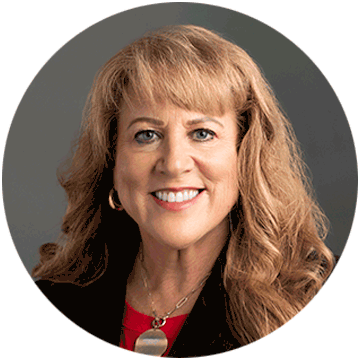
ABOUT THE REVIEWER
As dean of the University of Phoenix College of Education, Pamela Roggeman has spent over a decade in higher education teacher preparation in both the public and private sector. Her experience has included national partnerships that help to advance thought leadership in the field of education. Dr. Roggeman also serves as the President of the Arizona Educational Foundation’s Board of Directors.

This article has been vetted by University of Phoenix's editorial advisory committee.
Read more about our editorial process.