


 844-937-8679
 Login


Nontraditional nursing jobs and workplaces


Written by Michael Feder
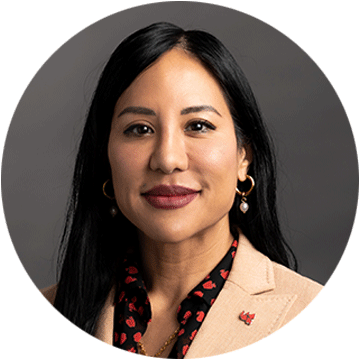
This article was reviewed by Raelene Brooks, Dean, College of Nursing.
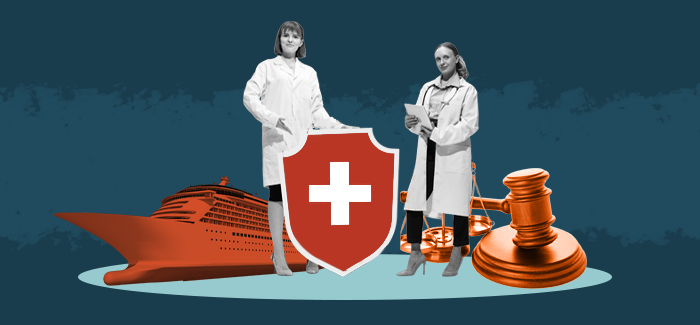
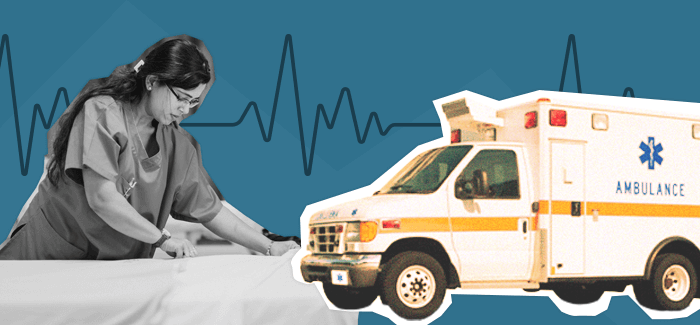
Nursing is very rewarding and meaningful, but healthcare careers can also be stressful, inflexible or feel overly stagnant. Nurses seeking to fulfill their calling while experiencing less stress, more adventure or new opportunities may find that nontraditional nursing jobs offer appealing alternatives. Several of these roles represent emerging opportunities in the nursing profession. Here are eight unique nursing jobs for registered nurses to consider.
Eight nontraditional nursing jobs
1. Legal Nurse Consultant
Working as a legal nurse consultant may be a good fit for those who want to work in nontraditional nursing jobs outside of patient care. This is one of the unique nursing jobs that don't require interaction with patients.
- Job description: Legal nurse consultants help lawyers with their cases by analyzing medical records, explaining up-to-date medical research and carrying out related tasks.
- Education requirements: Becoming a legal nurse consultant often requires extensive experience as a registered nurse in a specific specialty, possibly a special certification, and close knowledge of insurance companies. Job prospects may be enhanced by becoming a Legal Nurse Consultant Certified (LNCC®).
2. Forensic Nurse
Nurses interested in serving as expert witnesses or working within the criminal justice system may consider forensic nursing. Forensic nurses play crucial roles in both the healthcare and criminal justice systems.
- Job description: Forensic nurses work with victims of violent crimes, serve as consultants and provide expert witness testimony. They can often specialize in specific areas such as sexual assault, child abuse or elder neglect.
- Education requirements: Earning a nursing license and completing a bachelor’s degree program in nursing can provide a strong foundation for a career as a forensic nurse. However, nurses may need years of experience in a specific specialty and possibly a specialized certification.
3. Travel Nurse
Hospitals across the U.S. have been experiencing staffing shortages, which has led to a job boost for travel nurses. Nurses who enjoy adventure and exploring new places may find travel nursing to be among the compelling nontraditional nursing jobs.
- Job description: Travel nurses work short-term contracts at hospitals throughout the country. The contract lengths vary but, on average, run about 13 weeks.
- Education requirements: It’s relatively common to see job opportunities for nurses who have an associate degree in nursing, a Bachelor of Science in Nursing (BSN), a registered nurse (RN) license or an advanced practitioner degree. Every hospital is different, which means every position is different. Some require a year or two of nursing experience.
4. Nurse Esthetician
- Job description: Nurse estheticians work in medical spas to provide advanced skin care procedures and cosmetic treatments such as Botox® injections.
- Education requirements: A nurse esthetician needs a bachelor’s degree or an associate degree with a licensed practical nurse (LPN) credential. Specialized training in noninvasive aesthetic procedures is imperative. However, many also become certified by the National Coalition of Estheticians Associations (NCEA).
5. Nurse Auditor
Less common nursing jobs involve numbers. Nurse auditors are hired to manage medical records and audits of hospitals and healthcare systems.
- Job description: Nurse auditors review a healthcare facility’s budget for unnecessary expenses, accurate patient billing and correctly processed insurance claims.
- Education requirements: Nurse auditors must hold an RN license, and a degree in nursing may be required for some roles. Individuals may explore certification options as well through organizations like the American Academy of Professional Coders.
6. On-Set Nurse
- Job description: On-set nurses treat actors or crew members who become ill or injured during filming or who have chronic conditions that require medical care. Sometimes on-set nurses give feedback on medical scenes so they are more realistic.
- Education requirements: Becoming a registered nurse requires an associate degree or a Bachelor of Science in Nursing and the appropriate licensing for your state. Years of experience in a specialty along with a required special certification might be needed as well.
7. Camp nurse
The unconventional job of a camp nurse can be especially appealing to fans of the outdoors.
- Job description: Camp nurses are responsible for the healthcare of people representing a range of ages and needs, and they must be ready to address a variety of illnesses, injuries and conditions.
- Education requirements: An RN license along with an associate degree in nursing or a BSN are the minimum requirements to start camp nursing jobs. A certification from the Alliance for Camp Health and experience working with camp populations may also improve employment prospects.
8. Yacht Nurse
- Job description: Yacht nurses are expected to provide on-demand medical care. In their off hours, nurses choosing this career might help the crew in other ways, such as being a steward or deckhand.
- Education requirements: Becoming a registered nurse requires a bachelor’s degree or an associate degree in nursing, along with appropriate state licensure. Experience in triage and the treatment of medical emergencies is also necessary.
How can nurses prepare to apply for nontraditional nursing jobs?
Before you look into nontraditional nursing jobs, you may need to grow your knowledge and skill set within the nursing field. University of Phoenix offers nursing degree programs for registered nurses, including
- RN to BSN (Competency-Based - CB)
- RN to BSN degree online
- Master of Science in Nursing with a concentration in Nursing Education
- Master of Science in Nursing/Family Nurse Practitioner
Questions? Get in touch with a University of Phoenix representative.



ABOUT THE AUTHOR
A graduate of Johns Hopkins University and its Writing Seminars program and winner of the Stephen A. Dixon Literary Prize, Michael Feder brings an eye for detail and a passion for research to every article he writes. His academic and professional background includes experience in marketing, content development, script writing and SEO. Today, he works as a multimedia specialist at University of Phoenix where he covers a variety of topics ranging from healthcare to IT.
ABOUT THE REVIEWER
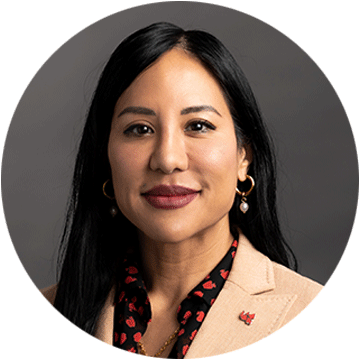
Dr. Raelene Brooks, dean of the College of Nursing, has been a registered nurse for more than 25 years and practiced extensively in the areas of ICU, trauma and critical care. Her publications include a focus on nursing education, critical care, and organizational wellness and engagement. She is a leader in creating, guiding and launching innovative curriculum.

This article has been vetted by University of Phoenix's editorial advisory committee.
Read more about our editorial process.